Personalized Cancer Vaccine Reduces Melanoma Recurrence Risk
At a Glance
A personalized mRNA cancer vaccine reduced the risk of melanoma returning when combined with pembrolizumab.
The international phase 3 trial found a 42% lower risk of recurrence or death compared with pembrolizumab alone.
More patients receiving the combination remained free of melanoma recurrence after two years.
Researchers reported no new safety concerns, although some side effects were more common with the combination.
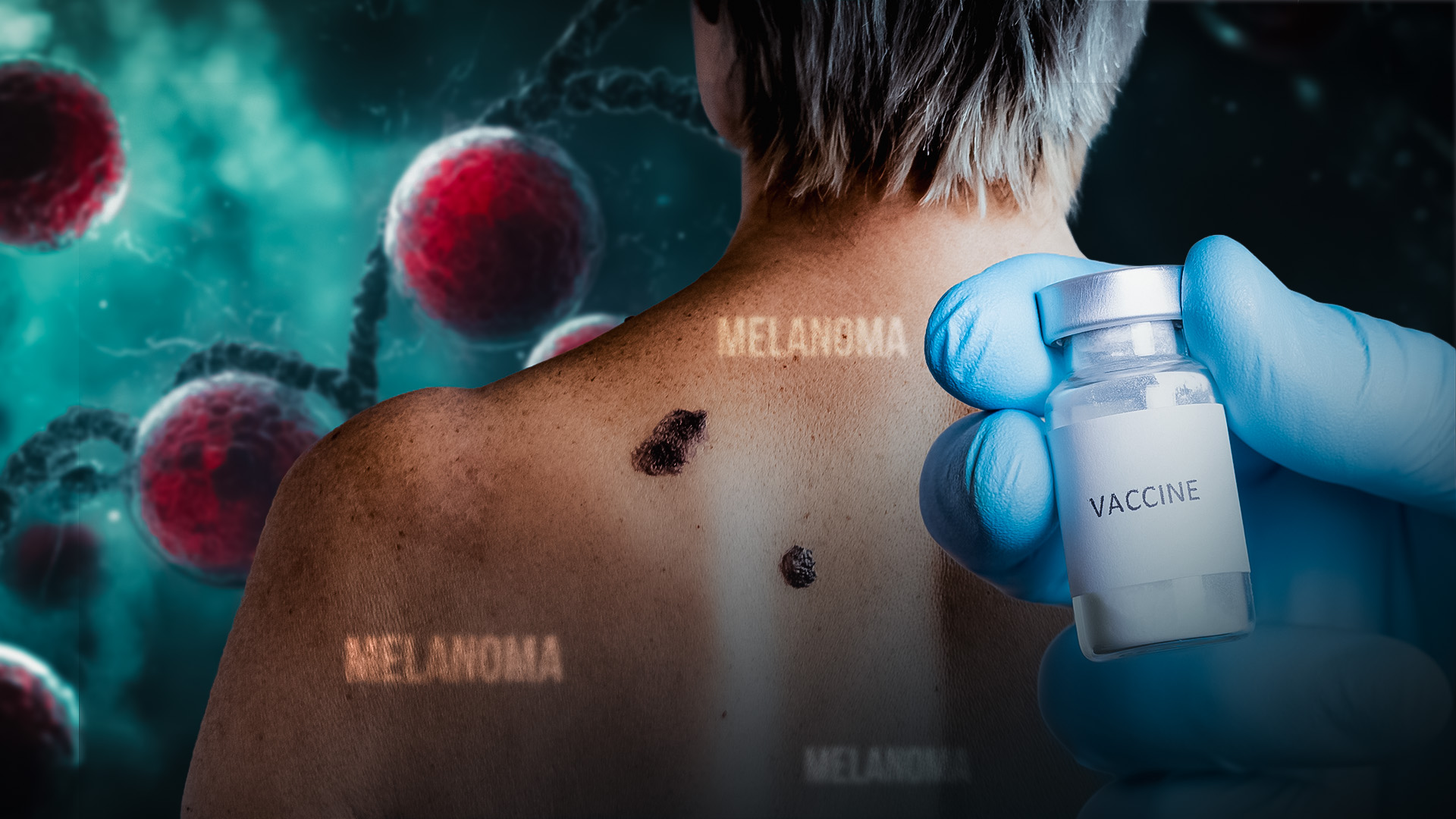
A personalized mRNA cancer vaccine combined with the immunotherapy drug pembrolizumab reduced the risk of melanoma returning in patients whose tumors had been surgically removed, according to results from an international phase 3 clinical trial.
Key Statements and Focus Area
Treatment Results: The combination reduced the risk of cancer recurrence or death by 42% compared with pembrolizumab alone.
Two-Year Outcomes: About 82% of patients receiving the combination remained free of recurrence after two years, compared with 70% receiving pembrolizumab alone.
Focus Area: The findings suggest that tailoring a cancer vaccine to an individual patient’s tumor could help reduce the risk of melanoma returning after surgery.
The trial, known as INTerpath-001, included more than 1,100 patients with high-risk skin melanoma that had been surgically removed. Researchers compared pembrolizumab, also known by the brand name Keytruda, given alongside a personalized mRNA vaccine called intismeran autogene, with pembrolizumab alone.
After approximately two years, 82.2% of patients who received the combination had not experienced a cancer recurrence, compared with 70% of those who received pembrolizumab alone. The combination also reduced the risk of cancer spreading to distant parts of the body or death by 38%, according to the trial results.
The vaccine is designed using information from a patient’s tumor to help the immune system recognize features specific to their cancer. It is intended to work alongside pembrolizumab, which helps the immune system recognize and attack cancer cells.
Researchers said the benefits were generally consistent across different groups of patients. However, longer follow-up is needed to determine whether the combination improves overall survival.
The treatment also caused side effects. Fever, pain at the injection site, and fatigue were among the most frequently reported. Severe side effects occurred in 23.6% of patients receiving the combination, compared with 20.3% of those receiving pembrolizumab alone. Researchers reported no new safety concerns.
The findings were announced by Merck and Moderna, the companies sponsoring the trial, ahead of their presentation at the 2026 European Society for Medical Oncology Congress. The results have been accepted for publication in The New England Journal of Medicine, and the companies are engaging with regulatory authorities.
FYI
Melanoma is a type of skin cancer that develops in cells responsible for producing skin pigment. It can spread to other parts of the body, particularly in advanced cases.
Surgery can remove melanoma, but the cancer may return in patients at higher risk. Treatments given after surgery aim to reduce that risk. Pembrolizumab is an immunotherapy drug that helps the immune system attack cancer cells, while personalized cancer vaccines are designed to target features specific to an individual’s tumor.
Dive Deeper: Handpicked Stories for You
Follow Channel8 for continuous updates:
Scientists Find Potential Weak Point in Alzheimer’s-Linked Protein
Blood-Based Sensor Detects Parkinson’s-Linked Proteins in 40 Minutes