Roman Jewelry Workshop Found Under New Housing Estate in Wales
At a Glance
A "very significant" Roman settlement has been uncovered in Flintshire, Wales.
The find includes a jewelry workshop nearly 2,000 years old.
Homes have now been built over the excavation site.
Archaeologists have found an unexpected Roman settlement beneath a new-build housing estate in Mancot, Flintshire, including a jewelry workshop dating back nearly 2,000 years.
Key Statements and Focus Area
On the Discovery: The find is "very exciting" and changes what was understood about the history of the area. — Chris Matthews, Project Manager, Heneb.
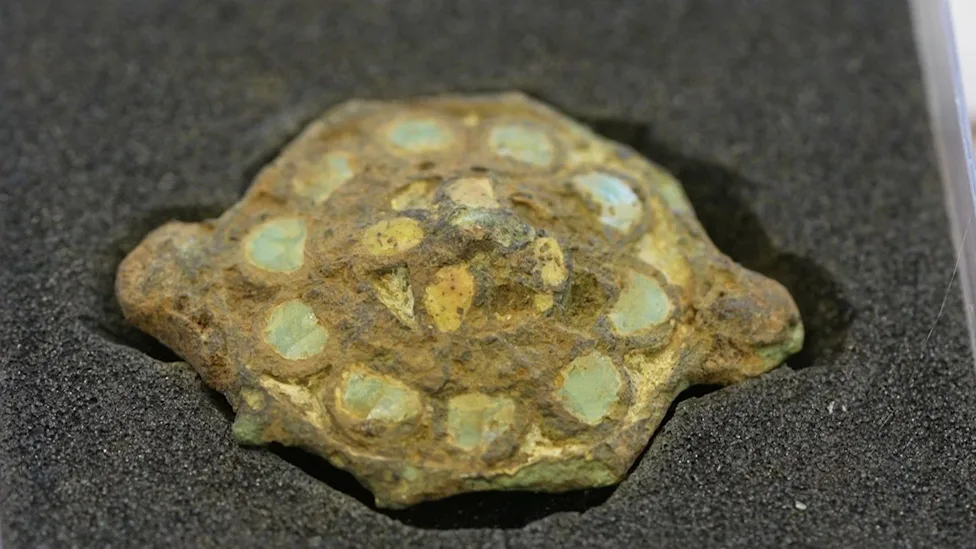
On the Brooches: "They give us a unique insight into life almost 2,000 years ago." — Sophie Fish, Museums Manager, Gwella.
Focus Area: The Mancot Roman settlement and what its jewelry workshop reveals about life and industry in northeast Wales.
Heneb, the trust for Welsh archaeology, discovered it during mining surveys for the development on Gladstone Way, calling it one of the biggest Roman artifact collections in the county.
Dozens of items, including pottery, coins, brooches, and lead molds, were removed before homes were built. Mapping showed the settlement extends under the village of Mancot.
The site possibly dates to the Iron Age and was occupied for a very long period, supported by coins from the reigns of Commodus and Constantine.
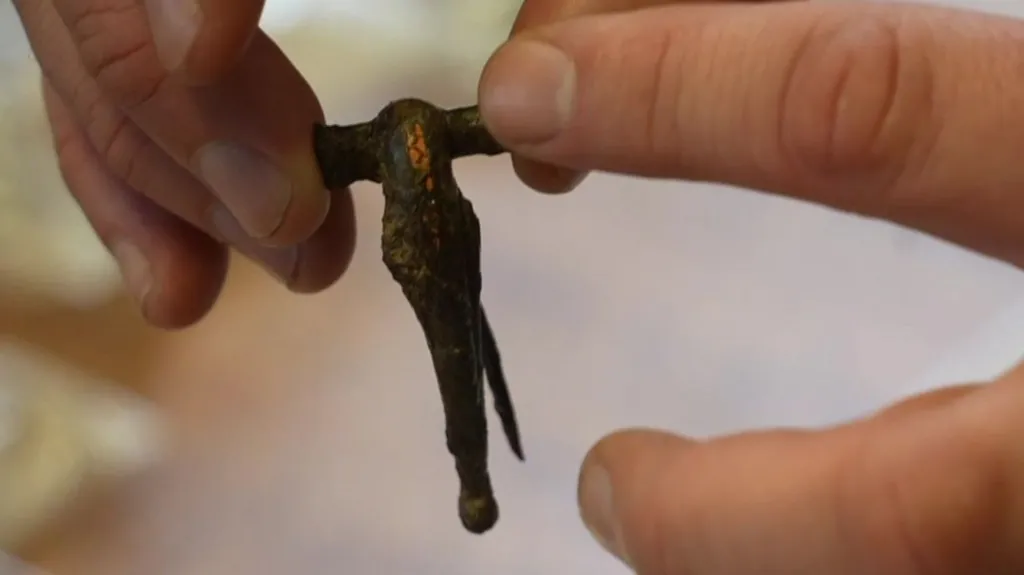
The molds show a wide range of often decorative brooches, many depicting animals, were made there, likely serving Roman Chester, while pottery suggests trade reaching mainland Europe.
The finds challenge the long-held view that relations between the Romans and native population in northeast Wales were poor.
The brooches will be analyzed at the National Museum of Wales in Cardiff to learn how they were made and where the metals came from before returning to Flintshire Museums Service.
Some of the finds could go on display at Mold Museum in 2027.
FYI
Despite overlooking the important Roman city of Chester, north-east Wales has yielded little Roman archaeology until recently.
Other finds in Greenfield and Rossett in Wrexham have added to the picture, and a long-term plan aims to bring all the area's Roman discoveries together.
Dive Deeper: Handpicked Stories for You
Follow Channel8 for continuous updates:
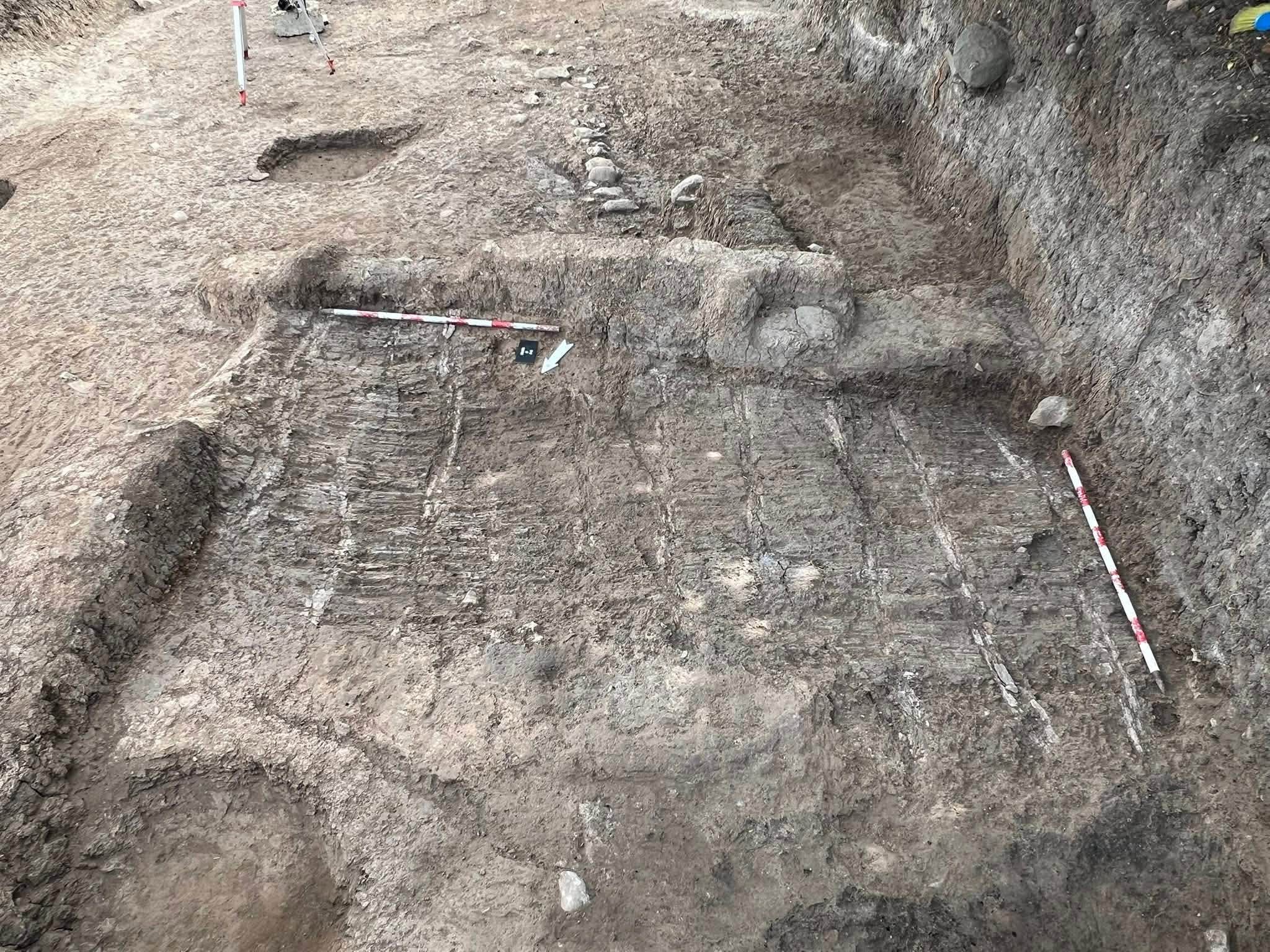
Groundbreaking 7,000-Year-Old Architectural Roof Remains Unearthed In Kurdistan