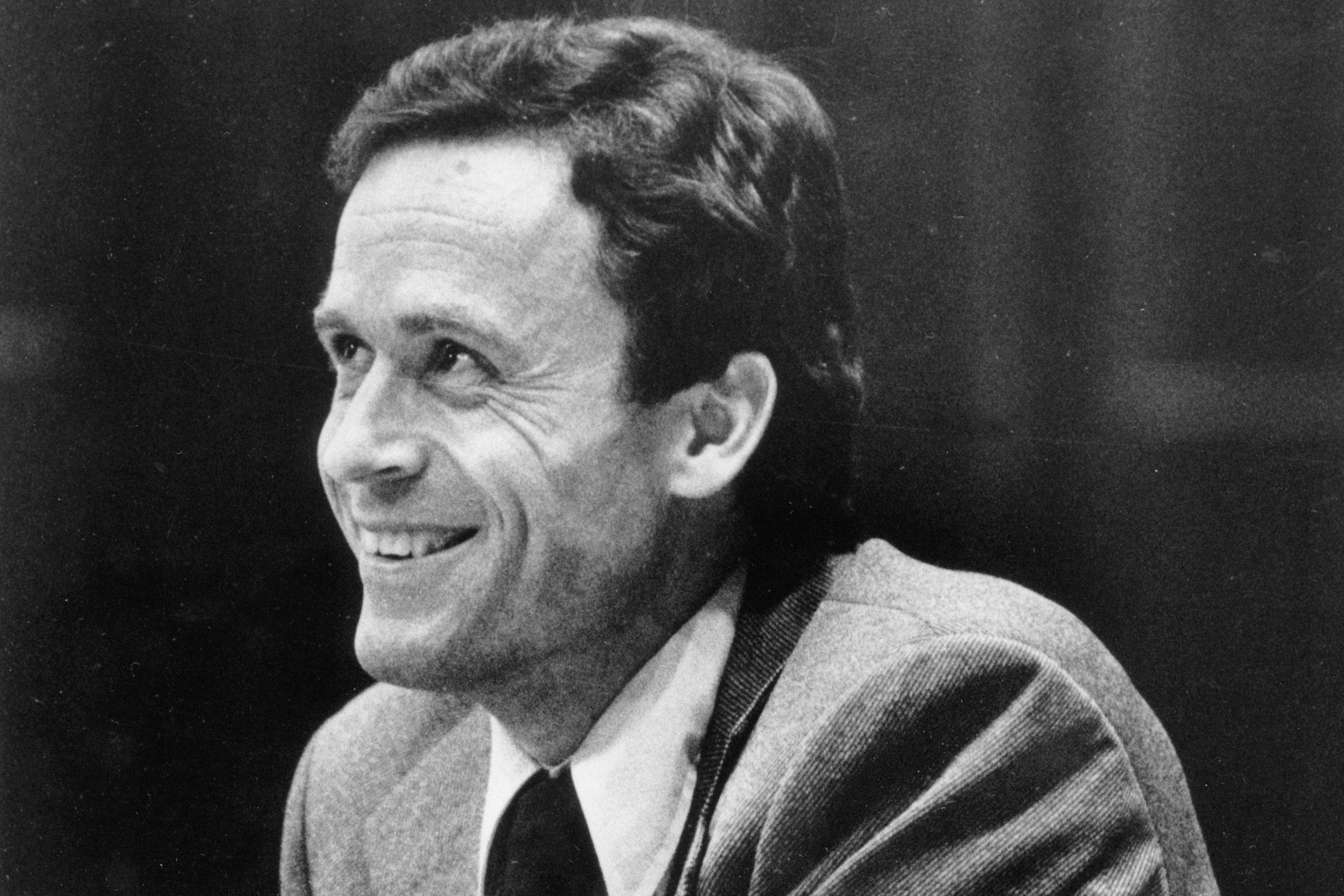
On This Day in History: Boris Yeltsin Resigns, Vladimir Putin Assumes Power - December 31, 1999
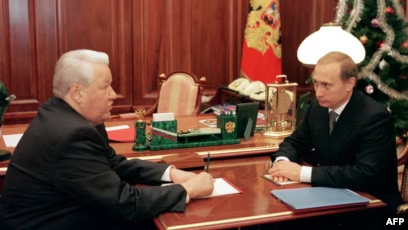
On December 31, 1999, Russian President Boris Yeltsin shocked the world by announcing his resignation, paving the way for Prime Minister Vladimir Putin to become acting president.
This pivotal moment marked a turning point in modern Russian history, setting the stage for Putin's rise to power and his subsequent long-term influence on Russia's political landscape.
In a televised address to the nation, Yeltsin said, “I am leaving. I have done everything I could. Russia should enter the new millennium with new politicians, new faces, new, intelligent, strong, energetic people." The announcement came as a surprise to many, though it followed years of declining health and waning popularity for Yeltsin, who had become the first president of the Russian Federation after the collapse of the Soviet Union in 1991.
Yeltsin's tenure had been marked by economic upheaval, widespread corruption, and a controversial war in Chechnya. His resignation reflected the challenges of transitioning from a centralized Soviet system to a capitalist democracy. Yet, Yeltsin's decision to step down voluntarily, the first of its kind in Russia's modern history, was seen as an attempt to stabilize the country and ensure a peaceful transfer of power.
Vladimir Putin, a former KGB officer and then prime minister, was named acting president. In his first address as leader, Putin emphasized continuity and national unity. "I promise you that I will work openly and honestly," he said. Putin's calm demeanor and promises of stability resonated with a population weary of the turmoil of the 1990s.
Within months, Putin's decisive actions, including his handling of the Second Chechen War, bolstered his popularity. In March 2000, he was elected president with over 50% of the vote. His leadership marked the beginning of a new era for Russia, characterized by a focus on strengthening state control, asserting Russia’s influence on the global stage, and centralizing power.
Yeltsin's resignation also symbolized his faith in Putin, whom he had handpicked as his successor. "I believe in Russia. I believe in its people," Yeltsin said in his farewell speech. The transfer of power to Putin was widely viewed as Yeltsin’s attempt to secure a protector for his legacy and his family amidst ongoing corruption investigations.
This day in history underscores the profound shifts in Russia's political direction at the turn of the millennium. Under Putin's leadership, Russia has seen significant developments, including economic recovery in the early 2000s, increased global assertiveness, and contentious domestic policies criticized for limiting freedoms and democratic principles.
The peaceful transition of power on New Year's Eve 1999 remains a defining moment in modern Russian history, shaping the country’s trajectory into the 21st century.