Tunisia Dismantles Camps Housing 7,000 Migrants, Begins Forced Repatriations Amid Migration Crisis
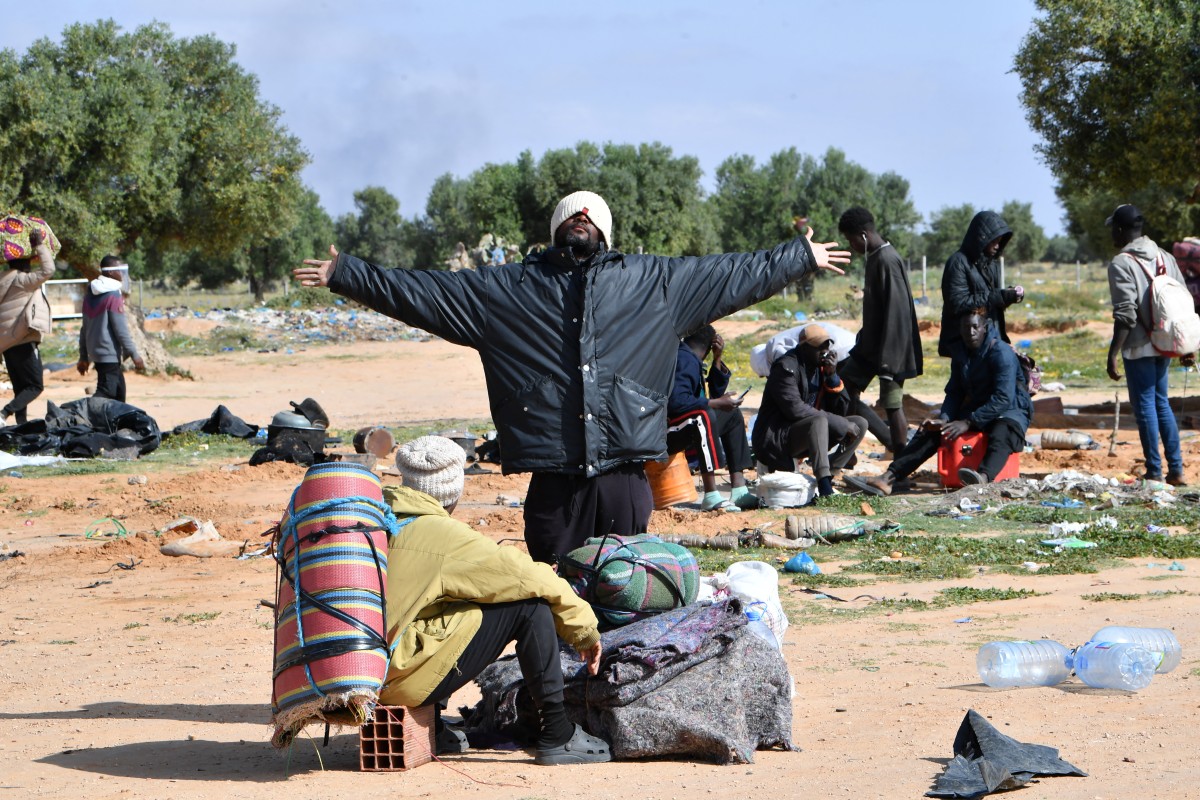
Tunisian authorities have dismantled makeshift camps housing approximately 7,000 sub-Saharan African migrants in forests near the southern town of El Amra, and have begun forcibly repatriating some of them, according to National Guard spokesperson Houssem Eddine Jebabli.
The move comes as Tunisia faces a worsening migration crisis, with thousands of migrants using the country as a launch point to Europe via the Mediterranean. The government says many migrants had been living in informal settlements in forested areas of El Amra and Jebniana, located in the Sfax Governorate, after being blocked from boarding boats to cross into Europe.
“We have dismantled tents housing around 7,000 migrants in the forests of El Amra,” Jebabli told Reuters, adding that the operation is ongoing and involves security forces, medical personnel, and civil defense units.
He confirmed that a number of migrants were arrested for committing acts of violence and other crimes, and that forced deportations began on Friday night. The government is also encouraging voluntary repatriation, offering assistance to those willing to return home.
During the operation, authorities reportedly seized bladed weapons, including knives and swords, from some migrants. Jebabli emphasized that pregnant women, children, and the ill were provided medical care and temporarily housed in hospitals. “We are prioritizing humanitarian and social considerations over security,” he said.
Rising Tensions Over Migration
Tunisia’s role as a key departure point for irregular migration has placed the country under growing pressure from European partners, particularly Italy, which has praised Tunisian efforts to curb the flow of migrants.
However, the surge in sub-Saharan migrants has also sparked domestic tensions. Clashes between migrants and local residents have been reported, with some communities demanding their removal. Meanwhile, Tunisian human rights organizations have accused authorities of promoting racist rhetoric and targeting activists who support migrant communities.
The government has denied any allegations of racism, maintaining that the situation poses a serious threat to national security and has become socially and economically unsustainable.
Tunisian officials estimate that around 20,000 migrants are currently living in makeshift shelters in forested areas across Sfax, a hub for human smuggling and boat departures toward southern Europe.
Broader Regional Impact
The migrant crisis in Tunisia reflects broader challenges across North Africa, where economic instability and porous borders have made countries in the region key transit points for people fleeing poverty, conflict, and persecution across the African continent.
European leaders continue to push for more regional cooperation and repatriation deals to manage migration flows and reduce arrivals by sea.
05/04/2025