Iran Rejects Talks Until Seven Conditions Are Met, Warns of Stronger Retaliation
At a Glance
Parliament Speaker Mohammad Bagher Ghalibaf says Iran will not resume negotiations with the United States until Tehran’s seven conditions are fulfilled.
Army chief Major General Amir Hatami warns that any new attack on Iranian infrastructure would prompt retaliatory strikes against the other side’s infrastructure.
Ghalibaf describes recent US threats and economic pressure as signs of American weakness, while warning of a decisive Iranian response to any hostile action.
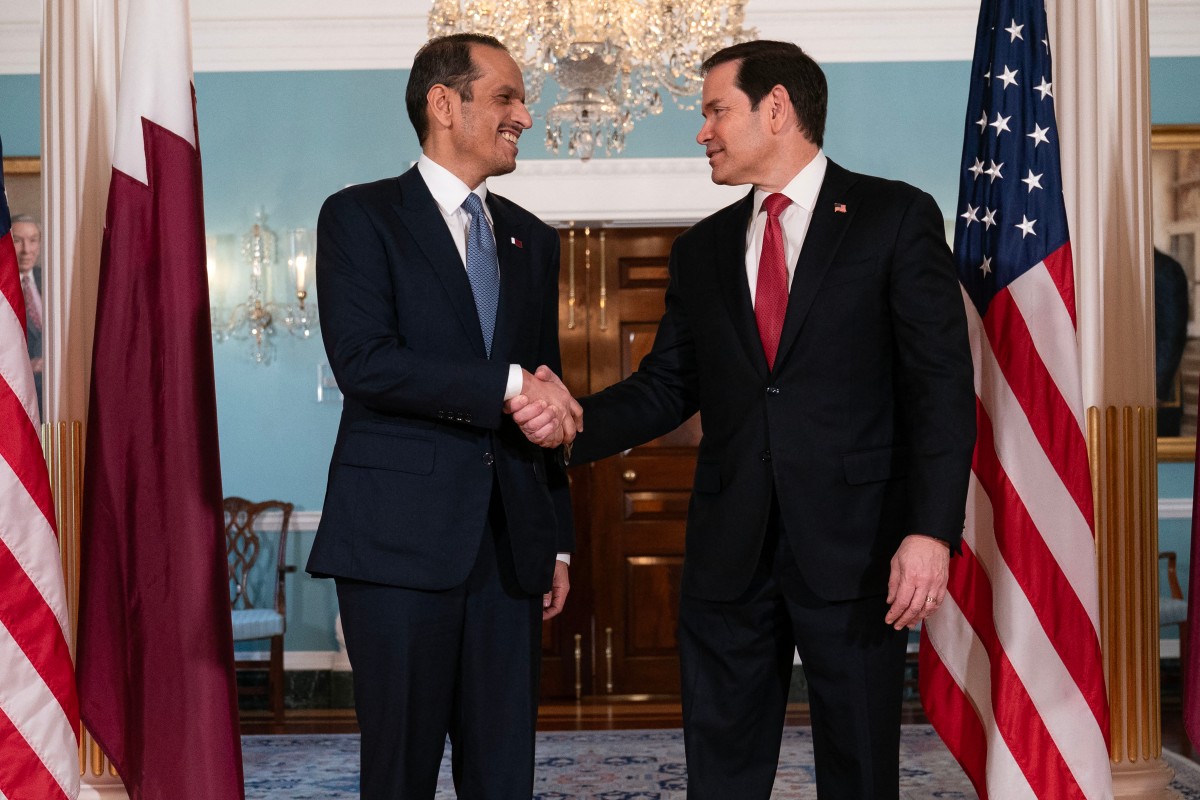
The statements come as Qatar continues diplomatic efforts to revive negotiations, following separate meetings between its prime minister and US Vice President JD Vance and Secretary of State Marco Rubio.
Iran has ruled out negotiations with the United States until its seven conditions are met, as senior military officials warn of a stronger response to any renewed attacks amid continuing diplomatic efforts to end the conflict.
Key Statements and Focus Areas
Ghalibaf: No Negotiations Before Conditions Are Met
Iranian Parliament Speaker Mohammad Bagher Ghalibafreiterated Tehran’s position during a parliamentary session on Tuesday, saying:
“Our position remains the same as what we have said before. There will be no negotiations before our conditions are implemented.”
According to Iranian media, Ghalibaf also warned that Iran would respond decisively if its adversaries made what he described as a mistake.
He dismissed recent statements by US President Donald Trump as absurd, arguing that threats and continued economic pressure demonstrated Washington’s inability to achieve its objectives.
Army Chief Warns of Stronger Retaliation
Iranian Army Commander Major General Amir Hatami warned that any new US or Israeli attack would be met with a stronger military response.
He said future strikes would have no geographical limitations and warned that if Iranian infrastructure were targeted again, Tehran would strike the other side’s infrastructure in a way that would be difficult to reverse.
Addressing senior military commanders, Hatami said Iran’s armed forces had prepared operational plans to implement the strategy.
Iran’s Seven Conditions
Iran’s proposal reportedly links the reopening of the Strait of Hormuz to the fulfilment of its demands. These include:
An end to hostilities on all fronts.
The lifting of US sanctions.
An end to the US naval blockade of Iranian ports.
The release of Iranian assets frozen abroad.
The withdrawal of additional US forces deployed around Iran.
Guarantees against renewed military aggression.
Arrangements concerning Iran’s oil exports and the formal end of the conflict.
Tehran has said the conditions must be met before it takes further steps towards negotiations.
Iranian officials have reiterated their refusal to enter negotiations with Washington before the implementation of Tehran’s seven conditions, despite renewed diplomatic contacts aimed at ending the conflict.
Speaking to lawmakers on Tuesday, Parliament Speaker Mohammad Bagher Ghalibaf said Iran’s position had not changed. He rejected US threats and economic pressure, describing them as signs of Washington’s inability to achieve its objectives.
Ghalibaf also warned that Iran would respond firmly to any hostile action, using language suggesting that any miscalculation by its adversaries could widen the geographical scope of the conflict.
The warning came alongside remarks by Army Commander Major General Amir Hatami, who threatened a stronger response to any new attack on Iran. Hatami said that if Iranian infrastructure were targeted, Tehran would retaliate against the other side’s infrastructure, adding that military commanders had prepared operational plans for such a scenario.
The statements underline Tehran’s continued reliance on military deterrence while maintaining its stated conditions for a diplomatic settlement.
Iran’s seven-point proposal reportedly includes ending the war on all fronts, lifting sanctions and the US naval blockade, releasing frozen Iranian assets and withdrawing additional American forces from the region. Tehran has also linked the proposal to arrangements for reopening the Strait of Hormuz.
President Donald Trump has said Iran wants an agreement to end hostilities but has rejected the terms offered so far as unacceptable. At a White House news conference on Friday, he said: “We want to make a real deal, not a fake deal.”
In an interview with Israel’s Channel 12, Trump said he was not rushing to make a decision on Iran and would see what happens after the beginning of 2027. His comments indicate that he has not set a firm deadline for resuming military operations.
Meanwhile, Qatar has continued its mediation efforts. Qatari Prime Minister Sheikh Mohammed bin Abdulrahman Al Thani held separate meetings with US Vice President JD Vance and Secretary of State Marco Rubio in Washington on Monday. The discussions came as Doha sought to help bridge differences between Washington and Tehran, although no breakthrough was announced.
FYI
The latest statements highlight the gap between Iran’s conditions for ending the conflict and Washington’s demands for an acceptable agreement. The Strait of Hormuz remains central to the dispute because its disruption affects international shipping and energy supplies, giving Tehran significant leverage in negotiations.
Qatar’s meetings with senior US officials demonstrate that diplomatic channels remain active, but they have yet to produce an announced agreement. The combination of Tehran’s insistence on its conditions, Washington’s continued economic pressure and military warnings from both sides leaves the prospect of renewed confrontation unresolved.