Kurdistan Region Oil Revenues Exceed September Salary Funding
At a Glance
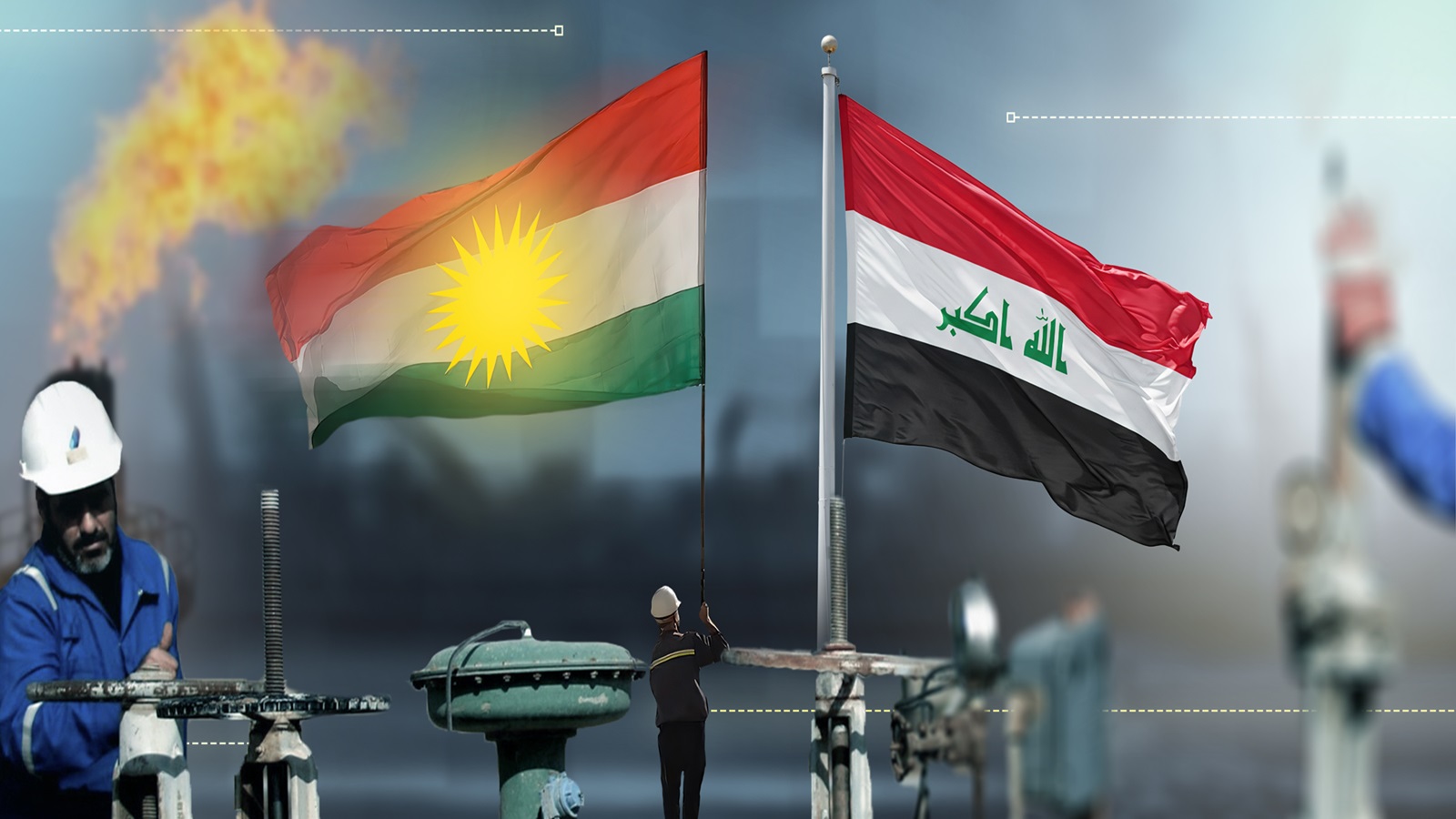
The Kurdistan Region reportedly delivers six million barrels of crude oil to SOMO each month.
Channel8’s figures put monthly oil and non-oil revenues at about 950.7 billion IQD.
The Iraqi Ministry of Finance transferred 835.553 billion IQD for September salaries.
The figures indicate a surplus of 115.147 billion IQD after salary funding.
Information obtained by Channel8 from the North Oil Company indicates that the Kurdistan Region contributes substantial oil and non-oil revenues to Iraq’s federal treasury, with the reported September figures showing a surplus after the month’s salary funding was covered.
Key Statements and Focus Area
Oil Revenue Assessment: The report calculates oil revenue after deducting estimated production and transit costs from the sale price.
Federal Fiscal Balance: The figures focus on the relationship between the Kurdistan Region’s reported monthly revenues and the federal salary allocation.
According to the information obtained by Channel8, the Kurdistan Region transfers around 200,000 barrels of crude oil per day to Iraq’s State Organization for Marketing of Oil (SOMO). The oil is transported through the Kurdistan Region’s pipeline to the Turkish port of Ceyhan for sale to international buyers. The reported volume amounts to approximately six million barrels per month.
The calculation provided to Channel8 uses a Brent benchmark price of $114 per barrel and applies a $4 discount to the Kurdistan Region’s crude, producing an estimated sale price of $110 per barrel. It also factors in $16 per barrel in production costs paid to operating companies and $1.70 per barrel in transit fees under the Iraq-Turkey pipeline agreement.
After deducting those costs, the estimated net value is $92.30 per barrel. Applied to six million barrels, this produces estimated monthly net oil revenue of $553.8 million, or approximately 830.7 billion IQD, using the Iraqi Dinar at the official Central Bank of Iraq exchange rate of 150,000 IQD per $100.
The figures also include 120 billion IQD in monthly non-oil revenues deducted by the federal Ministry of Finance from salary transfers to the Kurdistan Region. Combined with the estimated oil revenue, this brings the reported monthly contribution to approximately 950.7 billion IQD.
For September, the Iraqi Ministry of Finance disbursed 835.553 billion IQD for salary funding. Subtracting that amount from the reported oil and non-oil revenue total leaves a calculated surplus of 115.147 billion IQD.
The information obtained further states that the Iraqi Ministry of Oil does not apply discounts to crude sold through Ceyhan, while heavy and medium Basra crude can receive discounts of up to $30 per barrel. The comparison concerns the pricing terms cited in the report.
These figures reflect the calculations and information supplied to Channel8. The revenue estimates depend on the stated oil price, production and transit costs, exchange rate, and reported transfers. The figures alone do not establish the full net fiscal position between the Kurdistan Regional Government and the federal government across all budget items.
FYI
SOMO is Iraq’s state oil marketing organization, responsible for marketing the country’s crude oil. Ceyhan, on Turkey’s Mediterranean coast, serves as a key export terminal for crude transported through the Iraq-Turkey pipeline.
Oil revenues, non-oil income, and federal salary transfers are central to ongoing financial arrangements between Baghdad and the Kurdistan Region. Assessing the overall balance requires accounting for the relevant revenues, expenditures, transfers, and obligations on both sides.
Dive Deeper: Handpicked Stories for You
Follow Channel8 for continuous updates:
Draft 2027 Budget Imposes Heavy Restrictions on Kurdistan Region
Iraqi Oil Minister Speeds Up Implementation of Strategic Sector Projects
ShaMaran Petroleum Expands into Federal Iraq and Announces Merger with Gulf Keystone