Five Key Iraqi Dinar Revaluations Against the US Dollar Since 1968
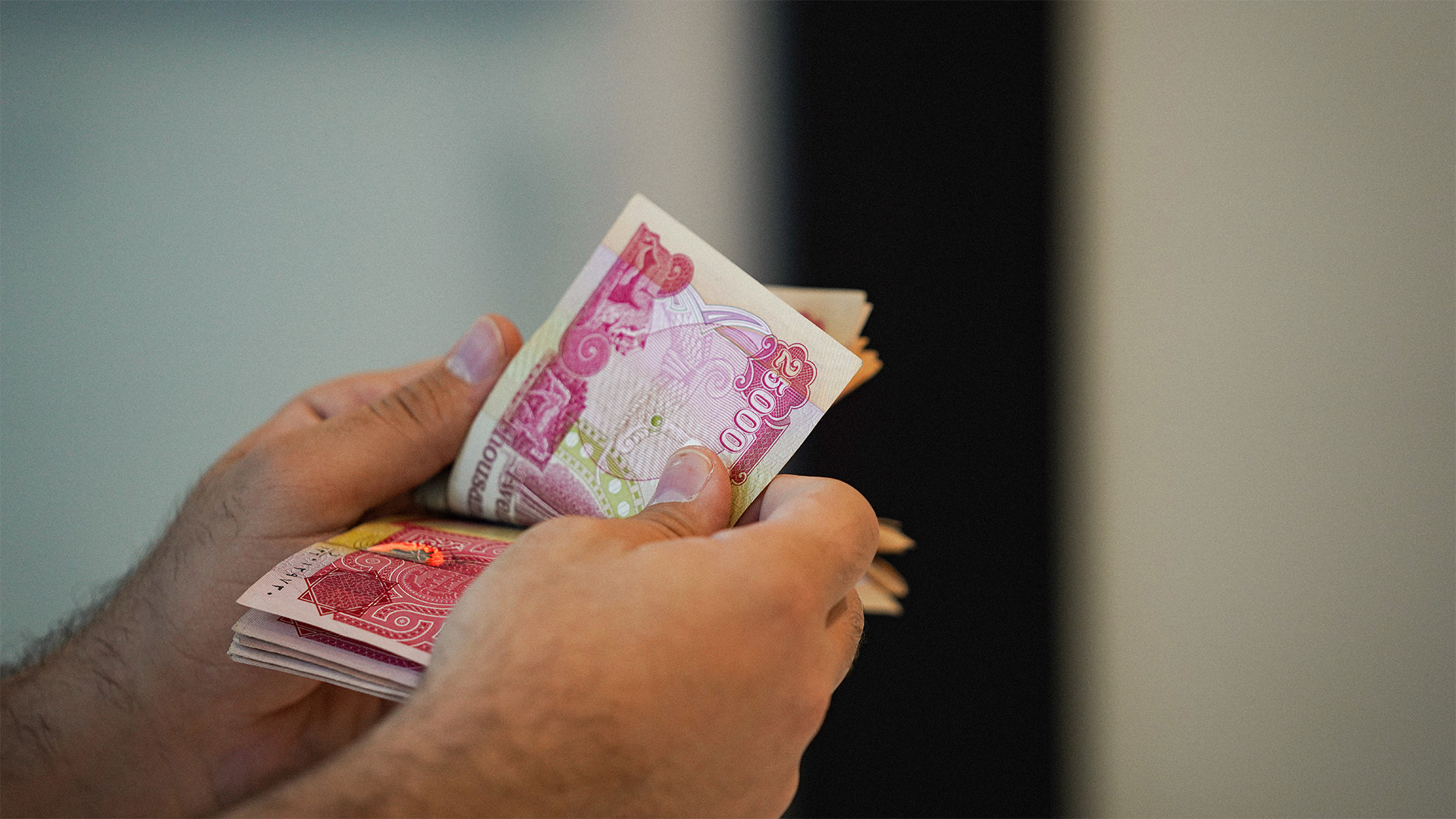
Few currencies tell a nation’s story as vividly as the Iraqi dinar. Once among the world’s strongest, valued at four US dollars, it later collapsed to the point where one dollar bought 3,000 dinars.
Today, at 1,310 to the dollar, the dinar is more than an exchange rate; it is a mirror of Iraq’s turbulent modern history.
Stage One: Founding (1931–1968)
The dinar was born in 1931 with the Iraqi Currency Board in London. In 1947, Iraq established the National Bank, later renamed the Central Bank of Iraq. This was more than a financial step it was a declaration of sovereignty, giving Iraq its own currency at a time when newly independent states sought symbols of nationhood.
Stage Two: The Golden Age (1968–1988)
From the late 1960s to the late 1980s, the dinar lived its golden age.
- 1968–1979: 1 IQD = $4 (100 USD = 25 dinars).
- 1980–1988: 1 IQD ≈ $3.3 (100 USD = 28 dinars).
Fueled by oil revenues, Iraq’s currency symbolized prosperity and power. For ordinary Iraqis, it was not just money in their pockets but proof that their country could stand strong on the world stage.
Stage Three: Collapse and Fragmentation (1990–2003)
Wars, sanctions, and economic isolation shattered that strength. After the invasion of Kuwait and the Gulf War, the dinar plummeted. Two currencies circulated the “Swiss dinar” in Kurdistan and heavily devalued notes elsewhere.
By the mid-1990s, 1 USD = 3,000 IQD (100 USD = 300,000 dinars).
This collapse was more than economic. It destroyed savings, eroded trust, and turned the dinar into a daily reminder of hardship and international isolation.
Stage Four: Post-2003 Fragile Stability
Following the 2003 US-led invasion, Iraq introduced new notes and began stabilization efforts.
- 2006–2008: The dinar appreciated almost 20% to around 1,200 per dollar.
- 2010–2011: The rate stabilized at 1,166 per USD, offering rare predictability.
Yet fragility persisted. Black market pressures often drove the dollar higher than the official peg. In 2020, with oil revenues collapsing, Iraq sharply devalued the dinar to 1,460. In February 2023, the Central Bank revalued to 1,300 per USD, aiming to restore confidence. But in practice, parallel markets continued trading above 1,400.
Beyond Numbers: The Dinar as a Shared Fiction
Currencies, as historian and author Yuval Noah Harari reminds us, are shared fictions, stories people choose to believe in. The Iraqi dinar’s history shows what happens when that collective faith falters, and how fragile yet vital it is to rebuild.
Each revaluation, from the $4 peak in the 1970s to the 1,300 peg in 2023, was not just a technical adjustment. It was an attempt to reclaim trust, to remind Iraqis that their state could still hold the line against chaos.
The dinar’s journey is not only about money. It is about Iraq’s struggle for sovereignty, resilience, and the fragile hope that, one day, the story told by its currency will once again be one of strength.