Efforts to Increase Kurdistan's Budget Share Face Technical Hurdles
At a Glance
Iraq's Ministry of Finance is actively rewriting certain sections of the returned budget draft.
Talks are ongoing to expand the Kurdistan Region's financial allocation.
Lawmakers warn that changing this percentage forces a total restructuring of all budget grids.
The Ministry will send the updated draft to the cabinet once revisions finish.
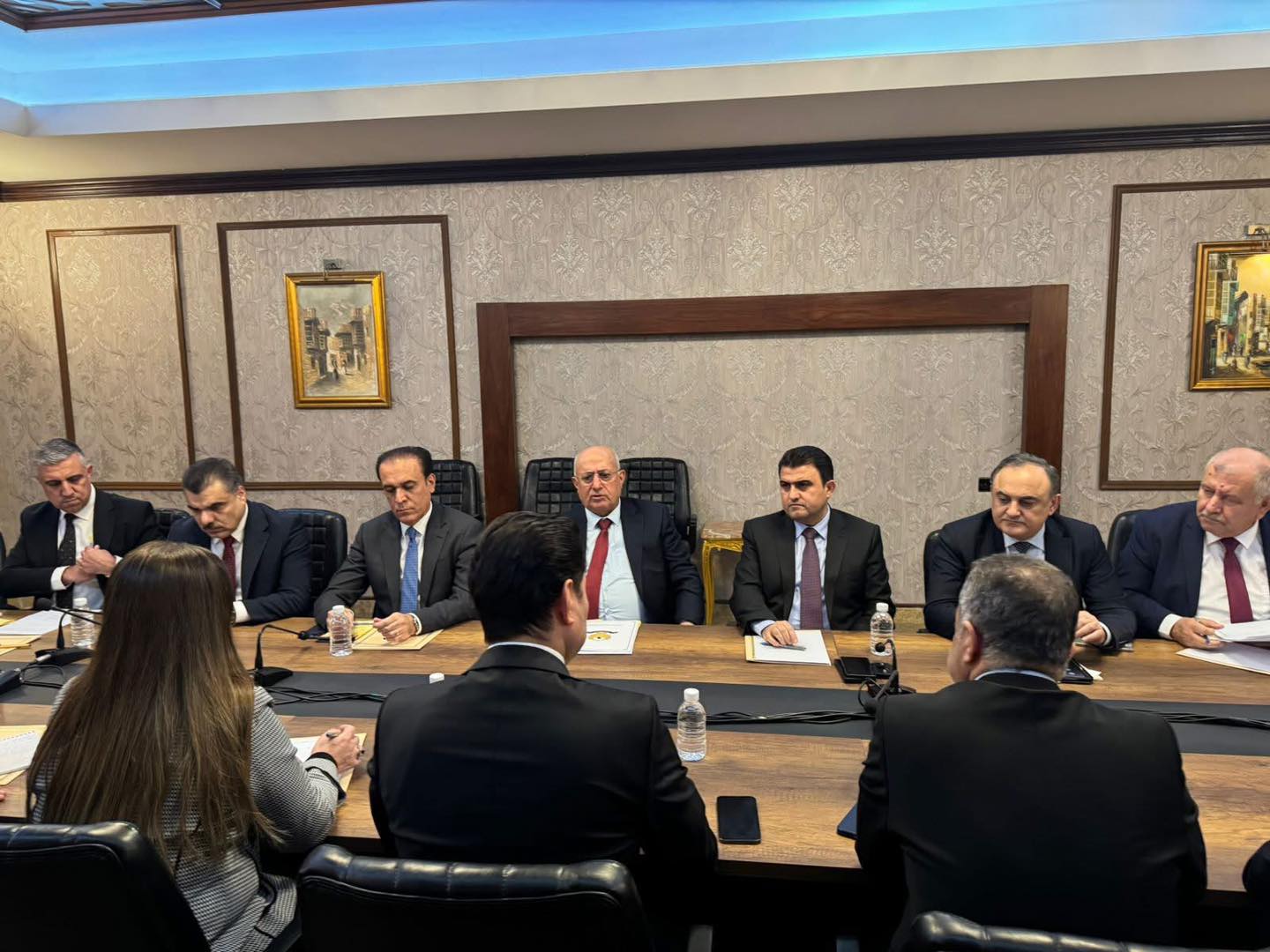
An Iraqi parliamentary finance committee member has confirmed that the Ministry of Finance is currently revising specific clauses within the returned draft budget bill.
Key Statements and Focus Area
Ahmad Haji Rashid, a member of the Finance Committee in the Iraqi Council of Representatives, told Channel8, "There is an effort to increase the Kurdistan Region’s share, and this increase depends on whether or not the effort succeeds."
Rashid stressed that the proposed increase would disrupt the existing budget tables, requiring a complete modification of the current draft.
Regarding upcoming steps in the budget approval process, MP Rashid stated that once the pending requests are completed, the Ministry of Finance will return the draft to the Council of Ministers.
He noted that all individual ministries will then review the document and submit their specific feedback.
The lawmaker highlighted that if the ministers reach an agreement following their internal discussions, they will be required to officially sign the draft.
Rashid further said that if the Kurdistan Region’s budget share remains unchanged, a refusal by four Kurdish ministers to sign the draft would serve as a significant form of political pressure that must be taken into consideration.
FYI
The current friction between Erbil and Baghdad stems from disagreements over the upcoming 2027 federal budget draft under Prime Minister Ali al-Zaidi's cabinet.
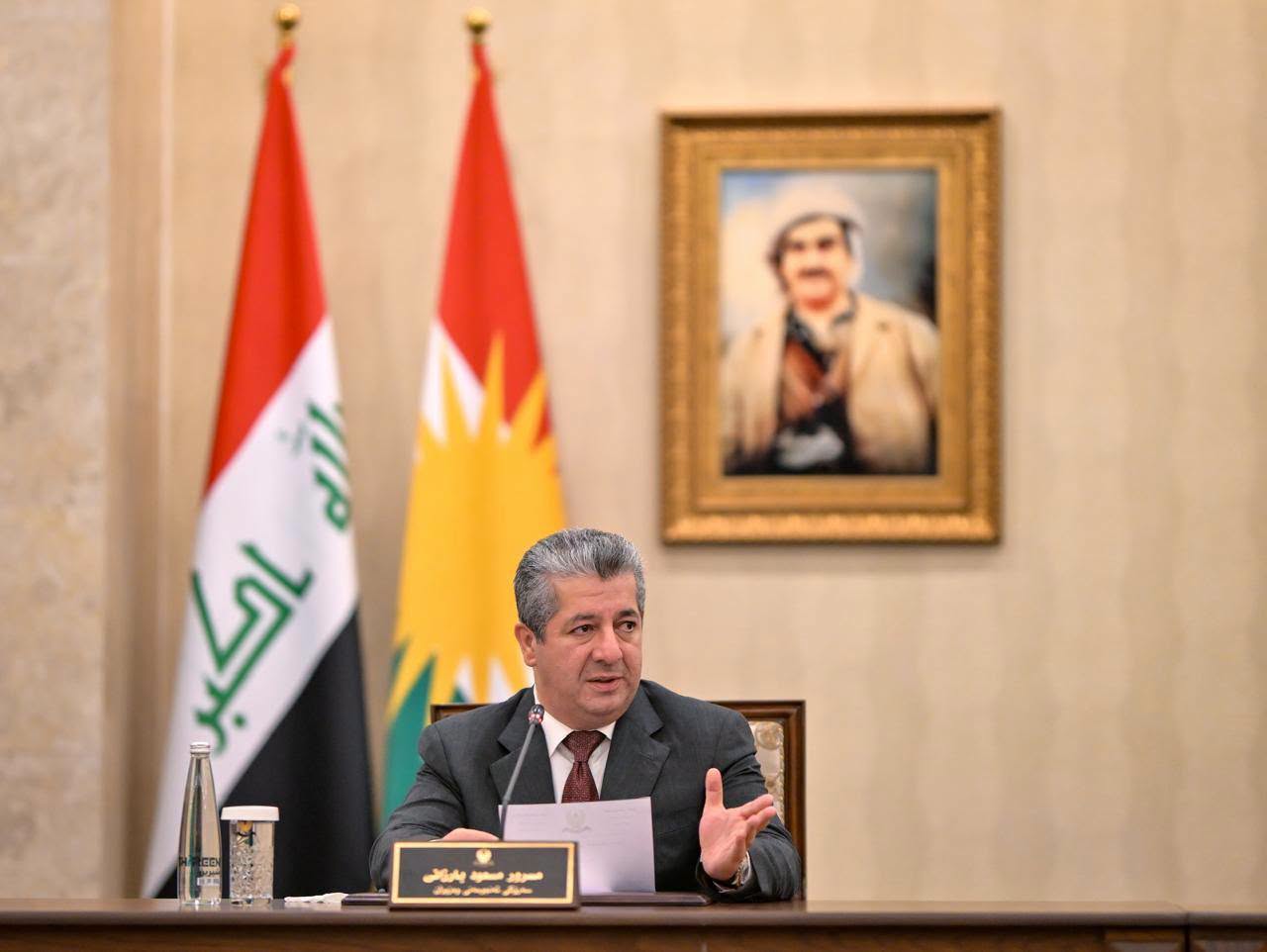
Following a recent ministerial session chaired by Prime Minister Masrour Barzani, the Kurdistan Regional Government officially demanded a thorough review of the draft, urging federal authorities to block any legislative votes on the bill in its current form.
Erbil rejects the federal government's unilateral measures, insisting that Kurdistan's budget share be increased from the current 12.67% cap to 14.14% based on the latest census data.
Furthermore, high-level negotiations regarding oil exports, energy dossiers, and non-oil revenue handovers have completely deadlocked without an implementation plan.
Baghdad has tied the region's funding to strict economic conditions, including demanding up to 445,000 barrels of oil per day and the forfeiture of local taxes and customs fees. In response, the KRG has frozen progress on public sector employment allocations and instructed its negotiating team to present constitutional evidence proving the invalidity of these federal conditions.
The KRG maintains that it has shared all financial data transparently through joint monthly audits, making unilateral federal restrictions entirely unacceptable.
Consequently, the submission of the draft budget law to the Iraqi Parliament faces systemic delays and is expected to remain stalled until at least mid-November due to deep political fractures.
Dive Deeper: Handpicked Stories for You
Follow Channel8 for continuous updates:
KRG Rejects 2027 Budget Draft, Demanding Complete Constitutional Review
Baghdad Delays Draft Budget Until Next Month Due to Disputes
Iraqi Finance Committee reviews 2027 budget tariffs and customs automation