Rare Encounter With Isolated Awa People in Brazil Prompts Government Protections
At a Glance
Around 20 members of the isolated Awa people approached a neighboring Indigenous community in Brazil's Amazon.
Authorities have activated an emergency mechanism over health and contact risks.
Advocates called the encounter a "wake-up call" over illegal intrusions into Awa territory.
Brazil's government has stepped up protections after a rare encounter between isolated Awa people and a neighboring Indigenous community in the northeastern state of Maranhao, amid concerns about the group's health and threats to its forest home.
Key Statements and Focus Area
Advocate on the Encounter: "A crisis moment really and a wake-up call." — Sarah Shenker, head of Survival Brasil, part of Survival International.
Advocate on Survival: "The only way that they will survive is if intruders are kept out of their forest once and for all." — Sarah Shenker.
Focus Area: The Awa group's unusual approach to a government post and neighboring village, and the protection of their territory and health.
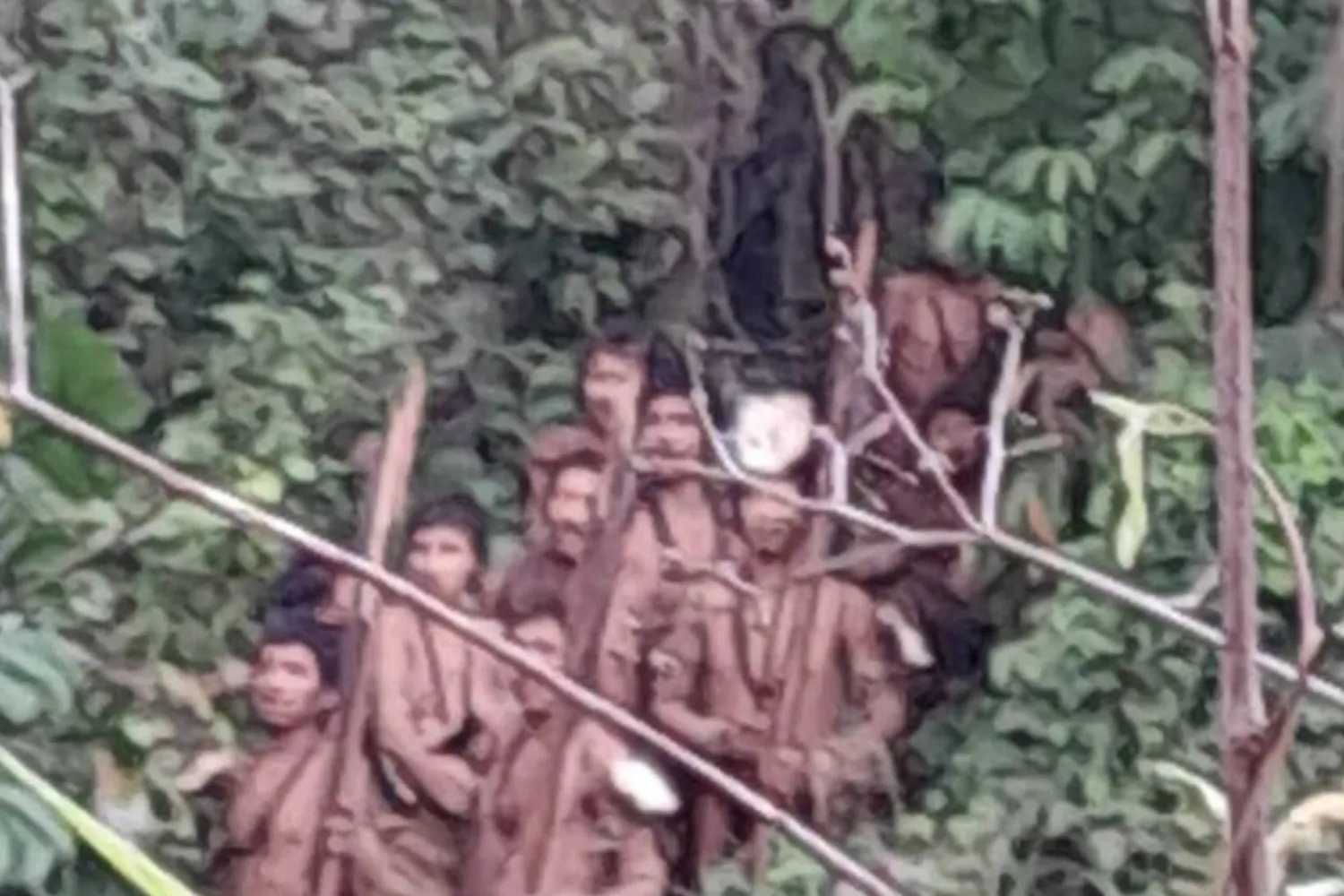
The encounter began Monday near a government access control post and the Guajajara village of Tawari in the Arariboia Indigenous Territory, according to the Ministry of Indigenous Peoples, which said around 20 Awa were sighted, and that information remains preliminary.
Footage recorded by Guajajara community members and shared by Survival International shows adults and children, some carrying bows and arrows and wearing feathered headdresses.
Survival International says the Awa apparently approached a government team, asked for yams, and took them back into the forest. The reason for the approach is unclear.
The ministry said the group is registered in the official database of isolated peoples and monitored by a Funai protection team.
Funai staff and Indigenous health workers are now on site, and an emergency coordination mechanism has been activated to assess contact situations and health risks.
The ministry stressed that its policy is not to encourage contact but to protect the Awa's right to remain isolated, and that a brief encounter does not necessarily mean the group has abandoned isolation.
Disease is a key concern, since isolated peoples have limited exposure to common pathogens.
Shenker said the Arariboia territory has faced decades of pressure from illegal logging, hunting and other intrusions, leaving isolated groups increasingly vulnerable as surrounding forests are cleared.
She said efforts by Guajajara forest guardians to confront intruders have led to violence, including killings, while responsibility for protection rests with the government.
She said she would rather have no images of the uncontacted Awa if it meant they could live as they choose.
FYI
Survival International has estimated that around 100 Awa remain uncontacted, though that is not necessarily a current count.
Other Awa live in settled villages and have contact with outsiders.
The Arariboia territory is also home to the Guajajara people.
Dive Deeper: Handpicked Stories for You
Follow Channel8 for continuous updates: