Channel8 Exclusive: Iraq Details Jurf al-Sakhar Security Handover, Air Defense Plans
At a Glance
Iraqi security forces have begun a new deployment in Jurf al-Nasr, with the Army, Federal Police and Popular Mobilization Forces (PMF) assigned specific areas of responsibility under a unified command headquarters.
A main road connecting the Al-Fadhiliya area to Karbala has reopened to civilian traffic, while further road openings and infrastructure rehabilitation are planned.
The government intends to conduct search operations, restore public services and facilitate the phased return of original residents following security and identity checks.
Baghdad is continuing its campaign against smuggling and misuse of public funds, while preparing to deploy air defense systems at more than 50 locations across Iraq, including the Kurdistan Region.
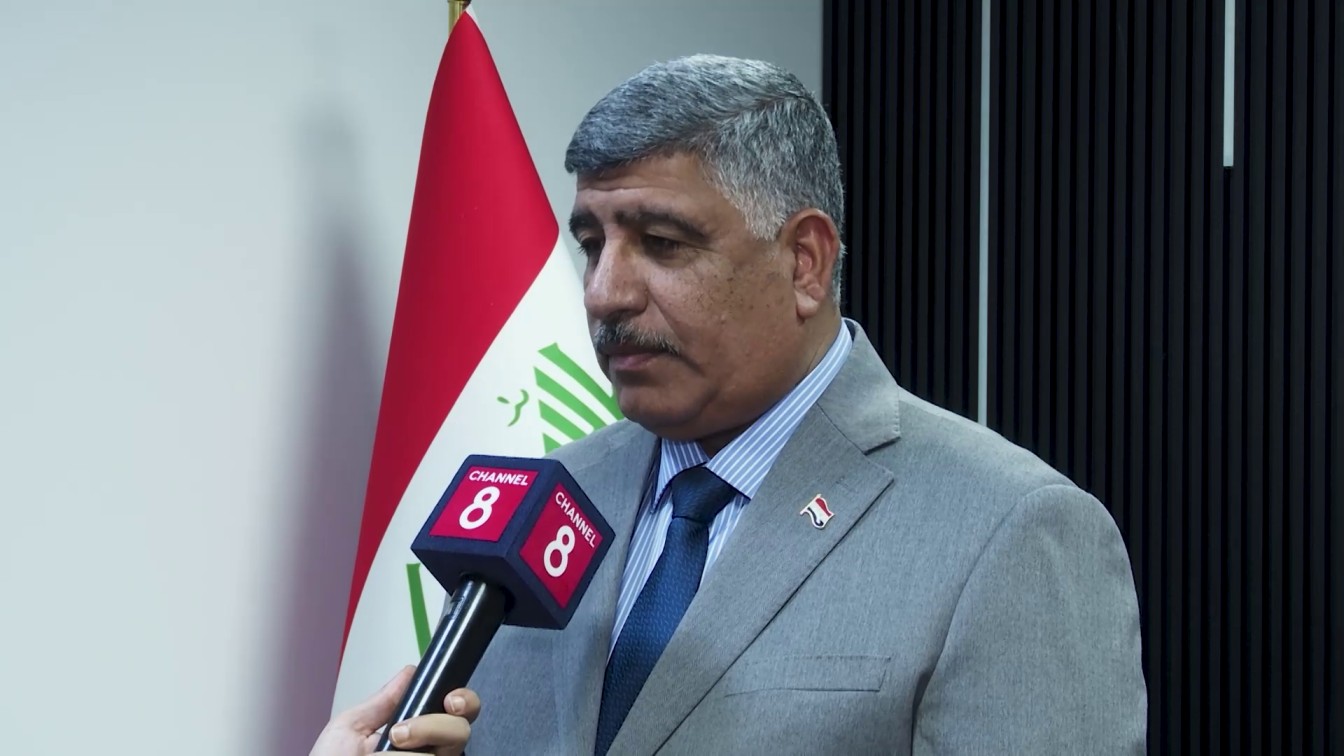
Sabah al-Numan, spokesperson for the Commander-in-Chief of the Iraqi Armed Forces, has outlined the government's security plans for Jurf al-Nasr, its campaign against smuggling and preparations to deploy air defense systems across Iraq. In an interview with Channel8, Al-Numan detailed the redeployment of Iraqi security forces, the reopening of civilian roads, plans for residents to return and measures to hold security officials accountable.
Key Statements and Focus Areas
1. New Security Command and Deployment in Jurf al-Nasr
Al-Numan said the Commander-in-Chief had ordered the replacement of existing holding units with other formations and the establishment of a controlling headquarters to coordinate all forces deployed in the area.
“The operation is proceeding smoothly and with discipline.”
He said:
The new controlling headquarters has opened, with its commander and two deputies beginning their duties.
An Iraqi Army brigade and a Federal Police brigade have begun taking responsibility for their assigned sectors.
New PMF regiments are replacing regiments from the previous brigades.
All participating formations will receive orders directly from the commander of the controlling headquarters, which has been granted full authority over the operation.
2. Roads Reopened and Civilian Movement Restored
Al-Numan announced that a major road connecting the Al-Fadhiliya area to Karbala had reopened.
“It opened yesterday freely for all civilian citizens, day and night.”
He described the reopening as an important step toward improving stability and said additional roads would follow.
3. Search Operations and Return of Residents
Al-Numan said security forces would launch search and inspection operations after completing their deployment and assuming responsibility for all designated sectors.
He outlined the next steps:
Search operations to identify and clear areas where remnants of ISIS may still be present.
Extending security coverage to locations that had previously remained outside the effective reach of security forces.
Rebuilding infrastructure and restoring public services.
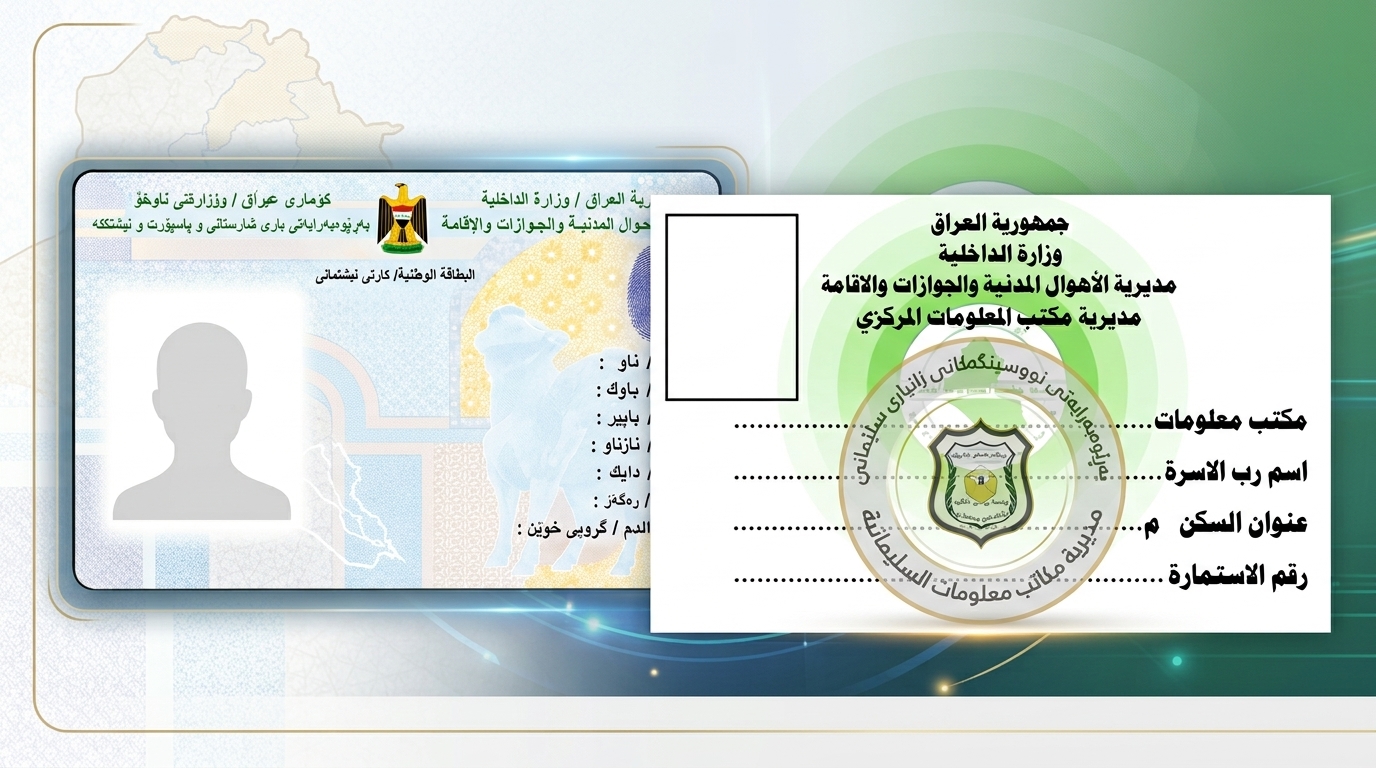
Facilitating the return of original residents in successive phases after their identities and information have been verified.
He said National Security agencies and relevant Ministry of Interior departments would conduct the vetting process to prevent individuals who might pose security risks from entering the area under the cover of returning residents.
4. Jurf al-Sakhar's Strategic and Economic Importance
Al-Numan described Jurf al-Nasr as an area of significant geographical and economic importance, connecting four major governorates.
He highlighted:
Fertile agricultural land and its potential for investment.
The presence of oil pipelines, including a strategic pipeline crossing the area.
Its potential to host service and strategic projects under government plans.
The prospect of renewed economic activity following the return of residents and restoration of services.
He said the government hoped the area would regain its place within Iraq after years of conflict and insecurity, pointing to Mosul and Ramadi as examples of cities that have experienced reconstruction and improved security following their liberation from ISIS.
5. Government Pledges Action Against Smuggling and Public-Fund Waste
Al-Numan said Prime Minister Ali al-Zaidi had made clear that the government would not tolerate the waste of public funds or the exploitation of Iraq's national wealth.
“Any waste, whatever it may be, will be pursued.”
He said security forces across Iraq had been tasked with preventing, reporting and stopping smuggling operations, adding that responsibility extended across their respective areas of deployment.
He identified the Iraqi Army, police, Counter-Terrorism Service, PMF and Peshmerga among the forces committed to protecting the country's security and resources.
Al-Numan also said the Commander-in-Chief had warned that operations commanders, police chiefs and officials in security and intelligence agencies would be held accountable if they failed to detect smuggling activities.
He added that investigative committees were continuing their inspections and that the government intended to pursue those responsible for the misuse of public resources.
6. Air Defense Systems to Be Deployed at More Than 50 Locations
Al-Numan said funding for Iraq's planned air defense systems had been secured in the state budget, with specific mechanisms established for disbursement.
“The first air defense systems will arrive within a very short period.”
According to the spokesperson:
The first systems are expected to arrive soon, with further deliveries to follow.
The Air Defense Command has prepared a deployment plan based on technical assessments.
More than 50 locations have been selected for the systems.
Some of the designated locations are within the Kurdistan Region.
He said the deployment plan was designed to ensure coordination between the systems and strengthen Iraq's ability to detect and prevent potential threats.
In an interview with Channel8, Sabah al-Numan, spokesperson for the Commander-in-Chief of the Iraqi Armed Forces, provided details of the government's plans for Jurf al-Sakhar, the campaign against smuggling and the acquisition of air defense systems.
The interview covered the new security arrangements in Jurf al-Sakhar, the reopening of roads to civilian traffic, plans to restore infrastructure and facilitate residents' return, and the deployment of air defense systems at more than 50 locations across Iraq.
Joint Security Forces Assume New Responsibilities in Jurf al-Nasr
Speaking to Channel8, Al-Numan said the Commander-in-Chief had issued orders to replace the units previously holding positions in Jurf al-Sakhar and establish a new controlling headquarters responsible for coordinating the formations deployed there.
He said the headquarters had officially opened, with its commander and two deputies beginning their duties, while the arrival of the designated units was nearing completion.
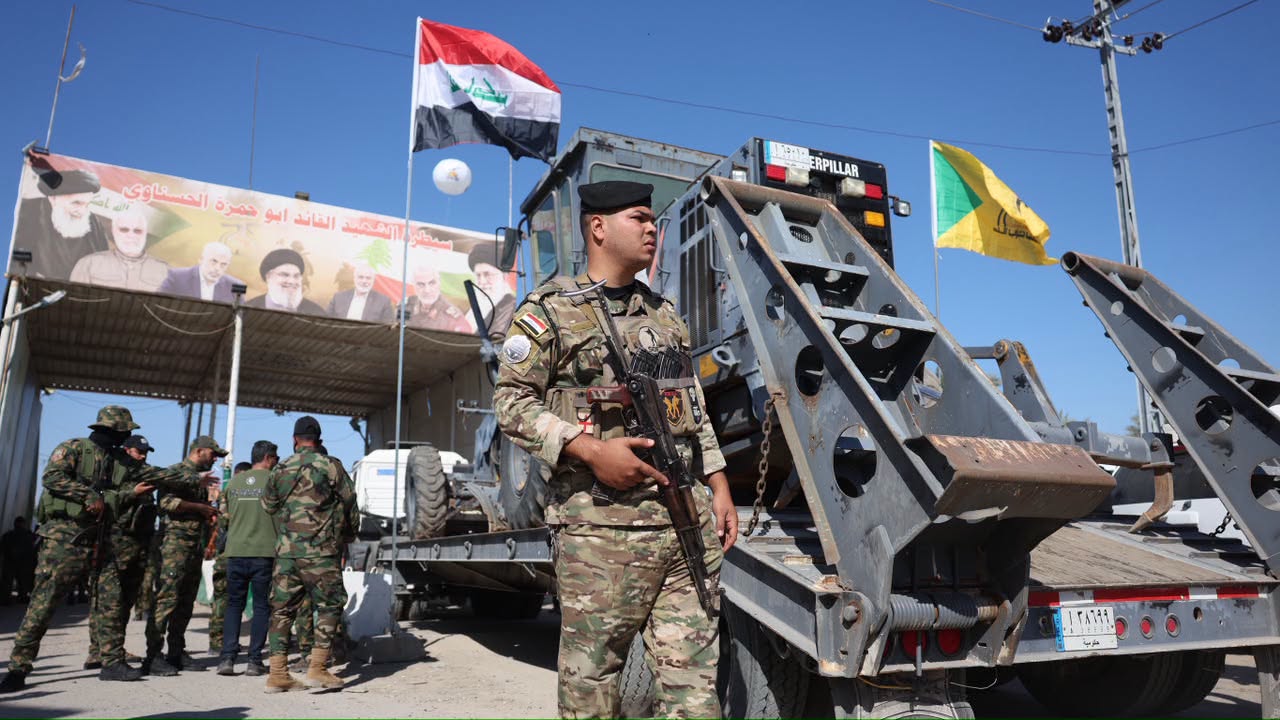
An Iraqi Army brigade and a Federal Police brigade have begun taking responsibility for their assigned sectors. New PMF regiments are also replacing regiments from the previous brigades.
According to Al-Numan, the new headquarters has been granted full authority, with all participating formations required to receive orders directly from its commander. He described the redeployment as proceeding smoothly and in an organized manner, based on the commander's assessment of the security situation.
The spokesperson also announced that a major road connecting the Al-Fadhiliya area to Karbala had reopened to civilian traffic, allowing movement during both daytime and nighttime. He said the reopening would support stability and would be followed by the restoration of other routes.
The next phase, he explained, will involve search and inspection operations across the area once all forces have completed their deployment and assumed responsibility for their respective sectors. The operations are intended to identify and clear areas where remnants of ISIS may remain, including locations that security forces had not previously entered or consistently monitored.
Al-Numan said the government also planned to launch a service and reconstruction effort to restore infrastructure and public services before facilitating the gradual return of the area's original residents.
He stressed that the return would take place in successive phases after security agencies verify residents' identities and information. National Security agencies and relevant departments within the Ministry of Interior will be responsible for the screening process, which he said was intended to prevent individuals posing security risks from infiltrating returning communities.
Government Sees Strategic and Economic Potential
Asked by Channel8 whether Jurf al-Nasr could return to its former status as a residential and agricultural area, Al-Numan described it as a geographically important location connecting four major governorates.
He pointed to its fertile agricultural land, oil pipelines and strategic infrastructure, saying the area had considerable potential for investment and development.
The government, he said, intends to establish service and strategic projects once security conditions allow residents to return. He expressed confidence that the restoration of services and renewed investment would help revive the area and its economic activity.
Al-Numan compared the prospects for Jurf al-Nasr with the recovery of cities such as Mosul and Ramadi, saying areas previously affected by ISIS control had seen infrastructure and services restored and were experiencing improved security.
Security Forces Tasked With Preventing Smuggling
Turning to the government's campaign against smuggling and corruption, Al-Numan told Channel 8 that Prime Minister Ali al-Zaidi had made clear that the waste of public funds and the exploitation of national resources would not be tolerated.
He said smuggling and corruption had expanded during periods of insecurity but argued that the government was now entering a new phase, with security institutions expected to support its efforts to protect public wealth.
The spokesperson said all security formations—including the Army, police, Counter-Terrorism Service, PMF and Peshmerga—had responsibilities in safeguarding Iraq's security and resources.
He added that security forces were expected to prevent and report smuggling operations within their assigned areas, while investigative committees continued their inspections.
Al-Numan further said the Commander-in-Chief had directed that operations commanders, police chiefs and officials in security and intelligence agencies be held accountable if they failed to identify or act against smuggling activities.
The remarks come amid a government investigation into alleged oil smuggling and unauthorized operations in Jurf al-Nasr. Iraqi authorities have previously reported finding evidence of pipeline tampering and suspected illicit oil facilities during inspections. Kataib Hezbollah has denied involvement in the alleged smuggling.
Iraq Prepares Air Defense Deployment Across More Than 50 Locations
In his interview with Channel 8, Al-Numan also provided an update on Iraq's planned air defense acquisitions, saying the required funds had been secured in the budget and that specific disbursement procedures were in place.
Citing information from officials responsible for the procurement and the commander of the Air Defense Command, he said the first systems were expected to arrive within a short period, followed by the completion of subsequent deliveries.
He said the Air Defense Command had selected more than 50 locations for deployment, based on technical assessments intended to ensure coordination and coverage against potential threats.
Al-Numan confirmed that some of the selected sites were within the Kurdistan Region, indicating that the planned system would extend beyond federal government facilities and locations elsewhere in Iraq.
He said the deployment would follow a plan prepared by the Air Defense Command, with the objective of strengthening the country's ability to prevent potential security threats.
FYI
The security arrangements in Jurf al-Nasr represent a significant development in Baghdad's effort to establish a unified chain of command in an area that has remained highly sensitive since Iraqi forces and allied groups retook it from ISIS in 2014. The latest deployment follows government investigations into alleged oil smuggling, which have intensified scrutiny of security control and the management of strategic infrastructure. Kataib Hezbollah has denied involvement in the alleged smuggling operations. The reopening of roads and the proposed return of residents will depend on the effectiveness of the new security arrangements, reconstruction and identity-screening process. Meanwhile, the planned air defense deployment—including locations in the Kurdistan Region—comes amid wider concerns over the protection of Iraqi airspace and critical infrastructure.
Jurf al-Sakhar Security Handover Expected Within Less Than Month
Al-Zaidi to Forces in Jurf al-Sakhar: "No Weapons Outside the Authority of the State"
.webp)