Qubad Talabani Briefs European Diplomats on PUK Government Withdrawal
At a Glance
Talabani met Western diplomats. He held briefings with German, French, and Dutch envoys.
KRG faces deepening deadlock. The Deputy Prime Minister clarified the root causes paralyzing the caretaker administration.
He emphasized the party's cabinet team is fully enacting directives to exit the government.
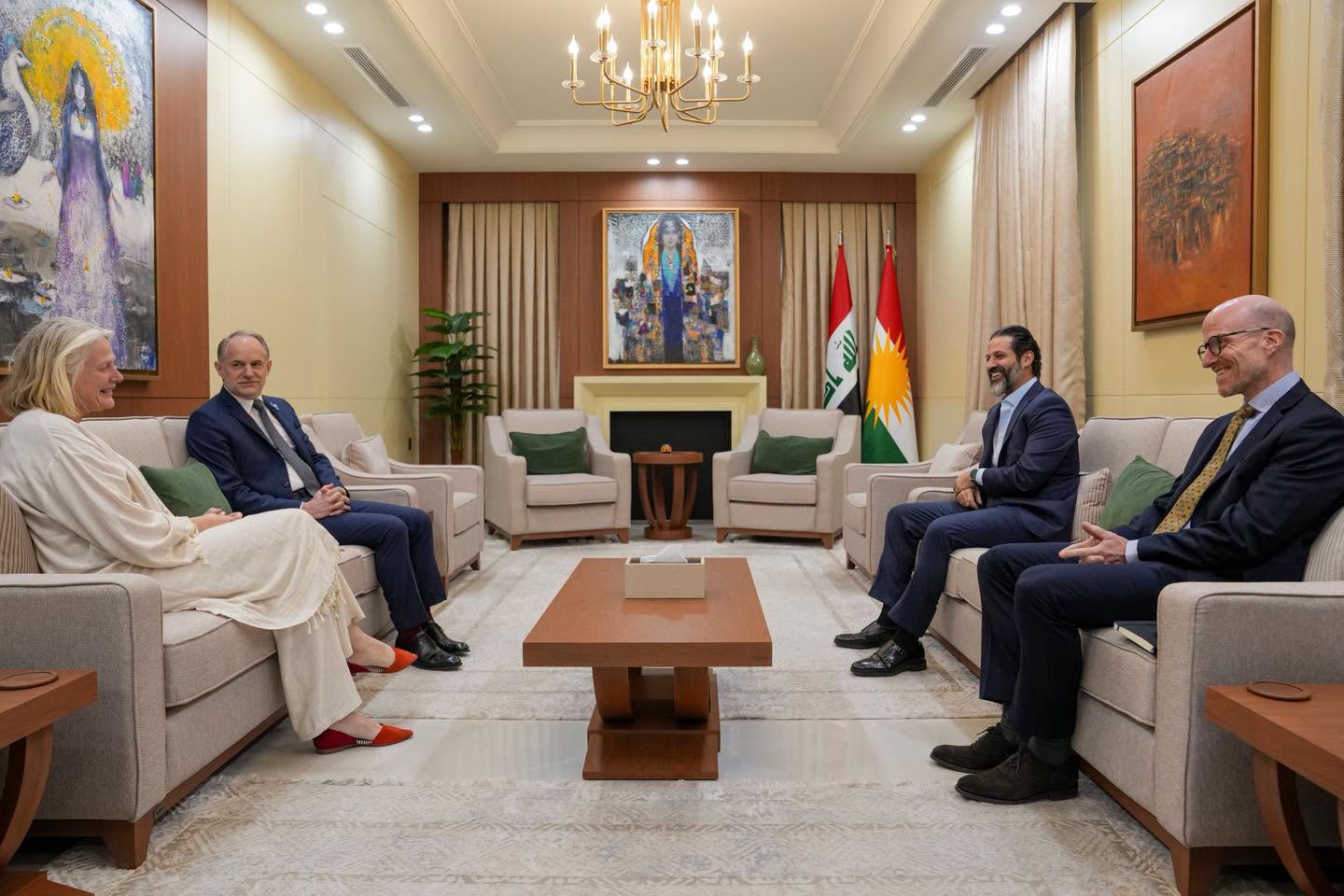
During a meeting with European diplomats, Kurdistan Regional Government Deputy Prime Minister Qubad Talabani reaffirmed the Patriotic Union of Kurdistan’s absolute commitment to enacting its leadership council's recent directives regarding the withdrawal from the government.
Key Statements and Focus Area
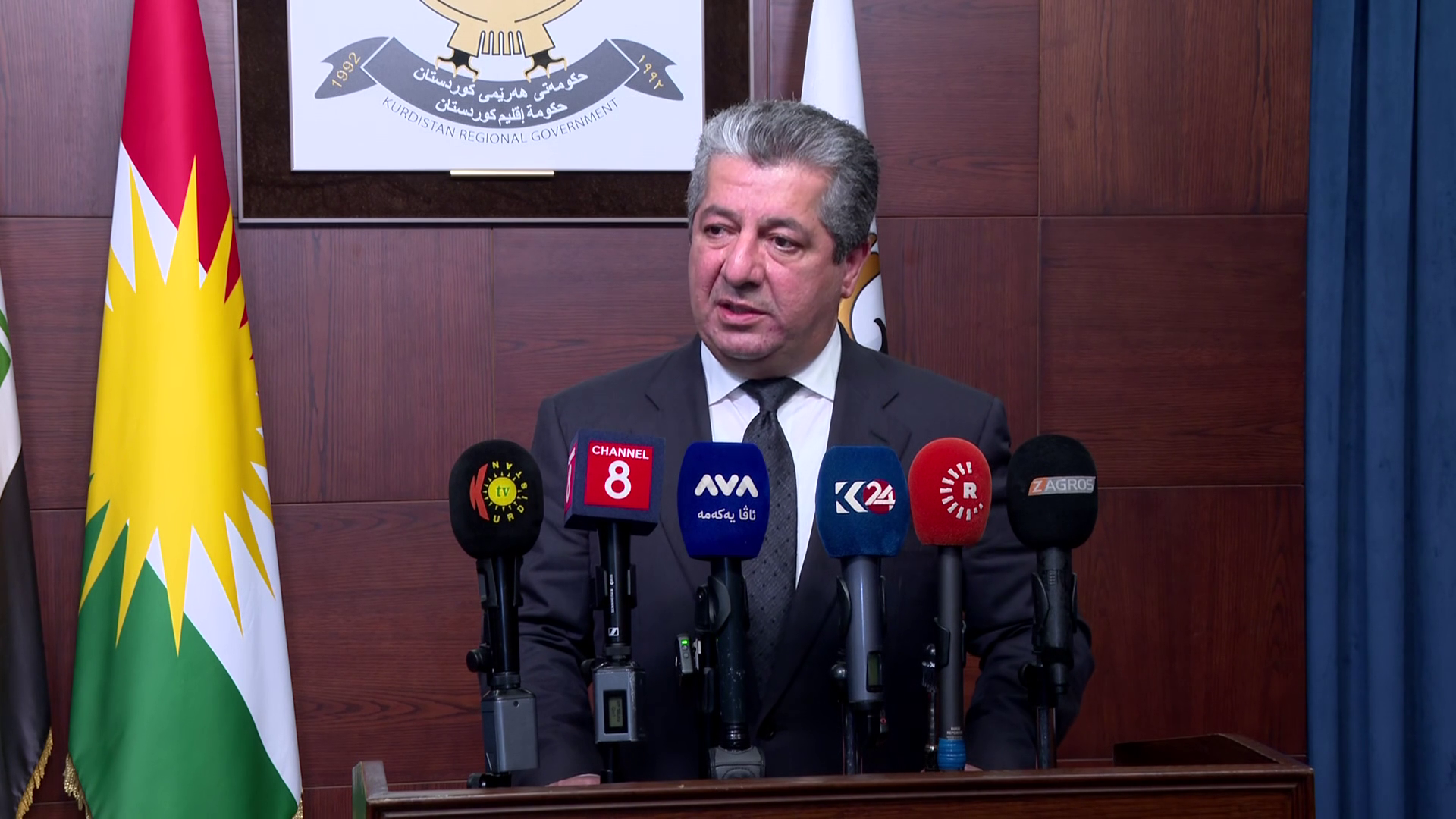
Qubad Talabani, Deputy Prime Minister of the caretaker Kurdistan Regional Government, stated that during the meeting, he “emphasized the full commitment of the Patriotic Union of Kurdistan (PUK) team in the Region's caretaker government to implementing the decisions of the PUK Leadership Council."
The PUK officially withdrew from the Kurdistan Regional Government and filed a lawsuit in Iraq’s Federal Supreme Court to annul the recent parliamentary session.
Talabani met with Christian Oelfke, Consul General of Germany, Emmanuel Mignot, Consul General of France, and Esther Loeffen, Acting Consul General of the Netherlands on Tuesday.
The deputy prime minister held a detailed briefing to clarify the root causes of the Kurdistan Region's current political friction.
During the diplomatic meeting, Talabani outlined the “disagreements” paralyzing the caretaker administration while solidifying the position of his political bloc amid the ongoing cabinet-formation deadlock.
FYI
Political deadlock in the Kurdistan Region continued following the October 20, 2024 parliamentary elections, as the Kurdistan Democratic Party (KDP) and the PUK failed to reach an agreement despite several rounds of bilateral talks.
Disagreements quickly intensified over the governance model, as the KDP advocated for an electoral-majority model to lead regional executive and legislative institutions, while the PUK demanded a power-sharing model based on political consensus and genuine strategic partnership.
The PUK formed a joint 38-seat front with the New Generation Movement earlier this year, but the KDP refused to recognize the alliance, insisting on separate bilateral talks and causing subsequent cross-party mediation initiatives to fail.
The crisis deepened when the Kurdistan Parliament reactivated at the KDP's request and appointed a legislative leadership team with 52 lawmakers, a session the PUK condemned as an illegal attempt by a single party to impose its will.
In response, PUK President Bafel Jalal Talabani refused to recognize the parliamentary convention, announced a total withdrawal from the "failed" government, and warned of mirrored unilateral appointments.
To implement these party directives, the PUK instructed its ministerial and administrative teams to operate independently across the Slemani, Halabja, Garmian, and Raparin jurisdictions starting November 8, focusing local resources on stalled infrastructure projects.
In the meantime, KDP President Masoud Barzani called for immediate bilateral dialogues to form a broad-based national government.
However, New Generation Movement spokesperson Himdad Shahin stated that they, along with the PUK, filed a joint lawsuit in Iraq’s Federal Supreme Court, challenging the legitimacy of the November 4 parliamentary session and demanding the complete dissolution of the newly elected presidency.
Dive Deeper: Handpicked Stories for You
Follow Channel8 for continuous updates:
PUK and New Generation File Lawsuit Challenging Parliamentary Session
Masrour Barzani Urges Parliamentary Dialogue and Rejects Centralized Oil
Spokesperson Says KDP Ready to Meet PUK to Break Political Deadlock