Iran’s Execution Surge Pushes Global Death Penalty to 40-Year High
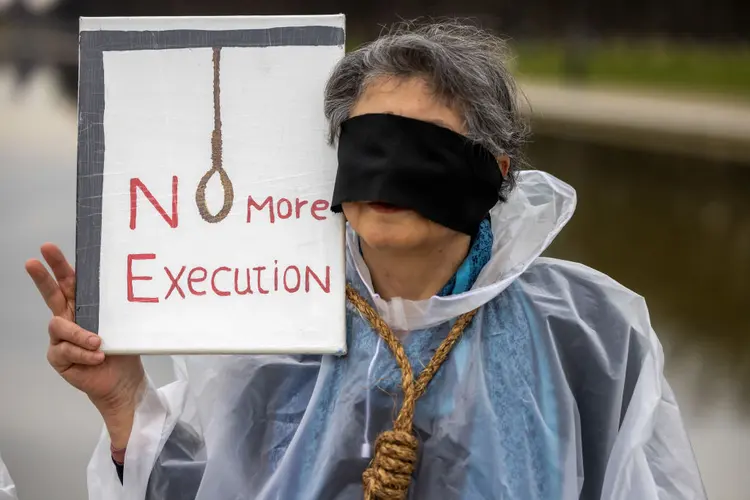
Amnesty International reported Monday that executions worldwide soared to their highest level since 1981, driven largely by a staggering rise in Iran. The UK-based rights group confirmed at least 2,707 executions in 2025, with Iran alone responsible for 2,159 — more than double its 2024 total.
Iran’s Intensified Crackdown
The surge in Iran followed the June 2025 war with Israel and was linked to charges stemming from protests and alleged membership in banned groups. Amnesty accused Iranian authorities of weaponizing the death penalty as a tool of political repression and control. The 2,159 executions marked the highest figure recorded in the country since 1981, and the highest globally in over four decades.
Regional Escalation
Other Middle Eastern nations also saw sharp increases:
- Saudi Arabia executed at least 356 people, surpassing its 2024 record of 345.
- Kuwait nearly tripled its tally, from six in 2024 to 17.
- Egypt almost doubled, rising from 13 to 23.
- Yemen climbed from 38 to 51.
Beyond the Middle East
The trend extended beyond the region:
- United States: 47 executions, the highest since 2009, fueled by Florida’s unprecedented 19.
- Singapore: 17 executions, the most since 2003.
- China: Remains the world’s leading executioner, though exact figures remain hidden under state secrecy. Amnesty believes thousands were carried out, describing the secrecy as a deliberate tactic to signal intolerance of perceived threats to public stability.
Human Rights Alarm
Amnesty warned that the global rise reflects governments tightening control, silencing dissent, and disregarding international human rights protections. “This trend was strongest in countries where authorities have restricted civic space and displayed disregard for protections established under international law,” the group said.
18/05/2026