On International Tea Day, Iraq Ranks Ninth Globally in Tea Imports Amid Rising Costs
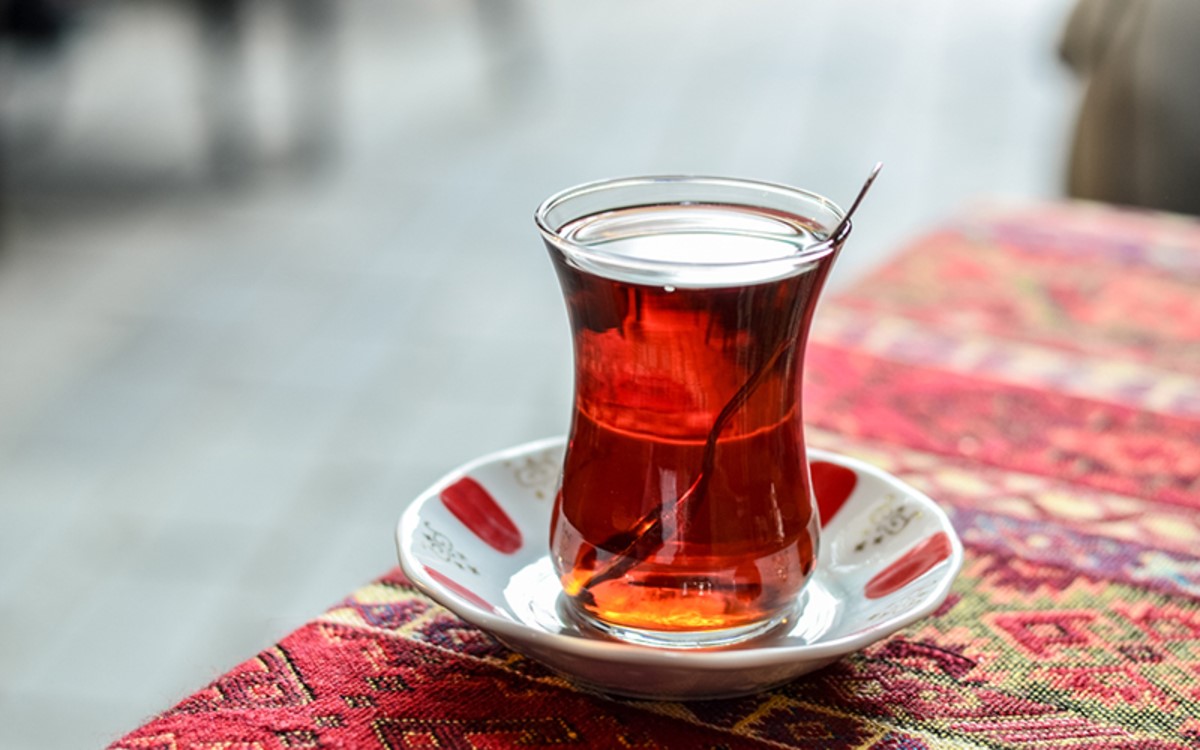
On International Tea Day (May 21), the UN Food and Agriculture Organization (FAO) reminds the world that tea is the second most consumed beverage after water. Globally, people drink about 2.16 billion cups of tea daily, equal to 25,000 cups every second. Turkey leads per‑person consumption, with each citizen enjoying more than three cups per day.
Production and Economic Value
For the 2026 agricultural season, global tea production reached nearly 30 million tons, with a trade value estimated between $80–100 billion. China tops the list with 3 million tons, followed by India with 1.3 million tons. Other major producers include Kenya and Sri Lanka.
Iraq’s Role in the Tea Market
Iraq is among the countries with the highest tea consumption and stands as the ninth‑largest tea importer worldwide. It is also the leading importer of Sri Lankan tea, spending more than $200 million annually. This makes International Tea Day particularly relevant for Iraq, where tea is deeply embedded in daily life and culture.
Political and Trade Challenges
Geopolitical tensions, including the closure of the Strait of Hormuz and maritime sanctions on Iran, have disrupted tea import routes to the Kurdistan Region. Traders now rely on two alternatives: the Aqaba port in Jordan and the Mersin port in Turkey. These changes have increased transport costs, raising the price of each carton of tea by 10,000 Iraqi dinars.
Tea Market in Kurdistan
In Kurdistan’s markets, more than 30 different tea brands are available. Traders operate in two ways:
- Some import bulk tea and repackage it under their own brand names.
- Others import international brands directly.
A key supplier for Kurdistan’s tea traders is the Sri Lankan company Akbar Brothers, established in 1969.