Iraqi Judiciary Urges Disarmament as Armed Factions Divided Over Weapons Control
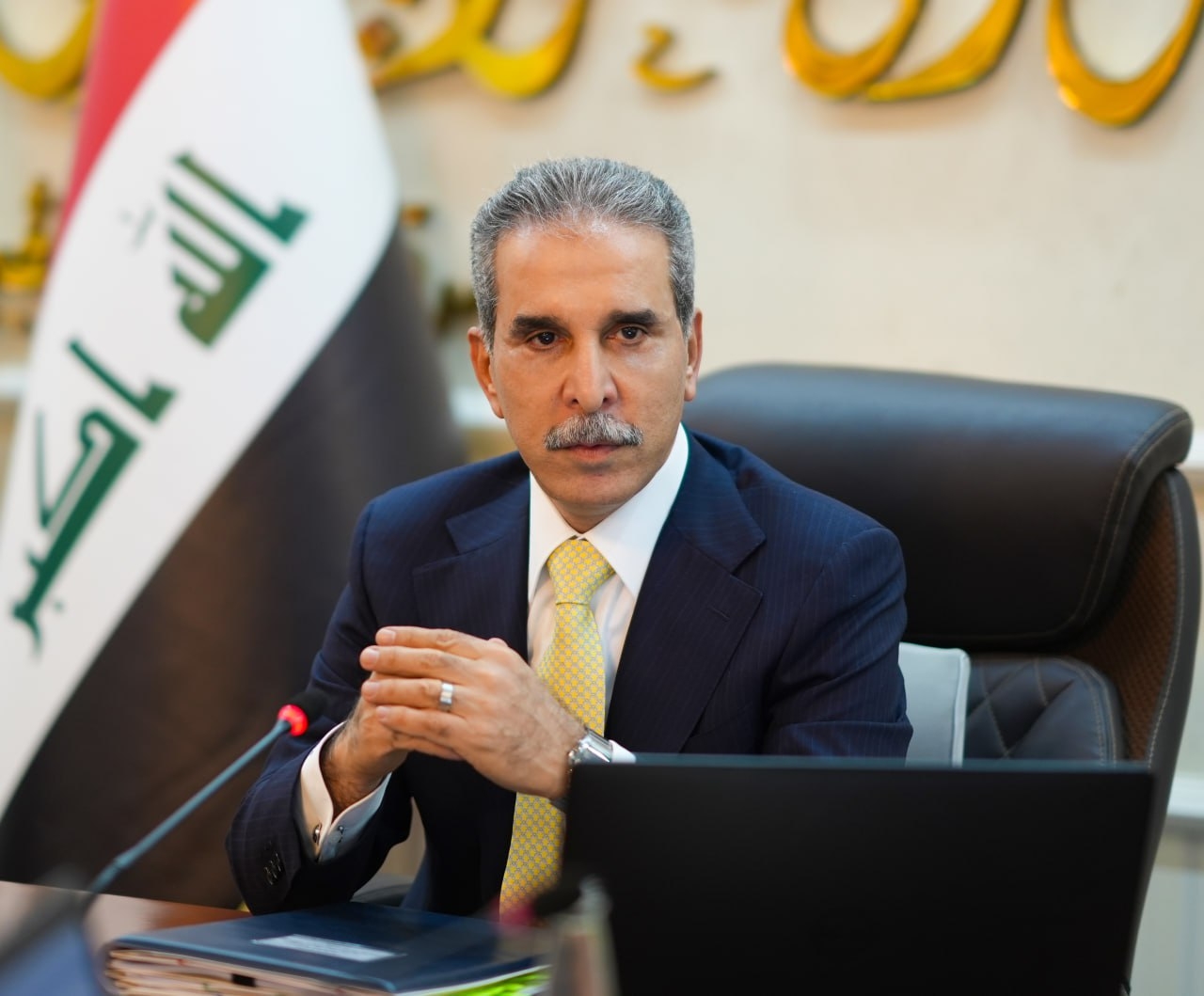
Iraq’s President of the Supreme Judicial Council, Faiq Zidan, has called on armed factions to lay down their weapons and align with state authority, as divisions deepen among groups over disarmament efforts following a broader push to restrict arms to the state.
Judicial Support for Restricting Weapons to the State
Zidan welcomed recent decisions by several factions to respond to the call of the supreme religious authority and comply with legal frameworks by placing weapons under state control.
He expressed appreciation for the positions taken by groups including Asaib Ahl al-Haq, the National Shia Movement, and the Kataib Imam Ali, noting that their actions align with the constitution, the law, and decisions of the Coordination Framework.
Call for Other Factions to Follow
The head of the Supreme Judicial Council urged remaining armed groups to follow the example of their “brothers” by agreeing to disarmament, emphasizing that such steps are necessary to enhance social security and strengthen national stability.
To date, factions including Badr Organization, Asaib Ahl al-Haq, the National Shia Movement, and Kataib Imam Ali have affirmed their commitment to regulating their military wings within the framework of the law and the Popular Mobilization Forces (PMF).
Opposition from Harakat al-Nujaba
In contrast, Harakat al-Nujaba has rejected calls to disarm, stating that its weapons are essential for national defense.
The group said, “We reaffirm our previous stance regarding our weapons, which are strictly for the protection of Iraq and its people.” It also reiterated the position of its Secretary-General, Akram al-Kaabi, who has described the weapons of the “Islamic Resistance” as a “red line.”
On May 6, al-Kaabi stated that these weapons are intended to safeguard Iraqi tribes and would not be surrendered, including those used during conflicts involving ISIS and the U.S. presence in Iraq.
The U.S. Department of State has previously linked al-Kaabi to attacks against U.S. personnel and diplomatic facilities in Iraq, offering a reward of up to $10 million for information leading to his identification or location.
Conditional Response from Saraya Awliya al-Dam
Meanwhile, Saraya Awliya al-Dam has outlined conditions under which it would consider disarmament.
Its military spokesperson, Abu Mahdi al-Jaafari, stated that any initiative to restrict weapons must include “real steps” to guarantee Iraq’s sovereignty and independent decision-making.
The group set out five conditions: ending financial and economic subordination; halting foreign interference in political decisions; ending foreign military presence and addressing threats to sovereignty; enabling Iraq to acquire advanced air defense and radar systems; and strengthening independent economic decision-making while ensuring balanced opportunities for companies.
Saraya Awliya al-Dam added that it would be among the first to respond to a genuine national project to restrict weapons to the state if these conditions are met, stressing its continued commitment to defending Iraq and rejecting any external control over the country’s sovereignty and security.
Ongoing Divide Over Disarmament
The differing positions among armed factions highlight a widening divide over the future of weapons control in Iraq, as some groups move toward compliance with state authority while others maintain that their arms remain necessary for national defense.
03/06/2026