Tiny Trackers Reveal Hidden Monarch Butterfly Migration Routes
At a Glance
Scientists are tagging monarch butterflies with tiny tracking devices.
The research aims to identify critical stopover sites along their migration.
Monarch populations have declined sharply in recent decades.
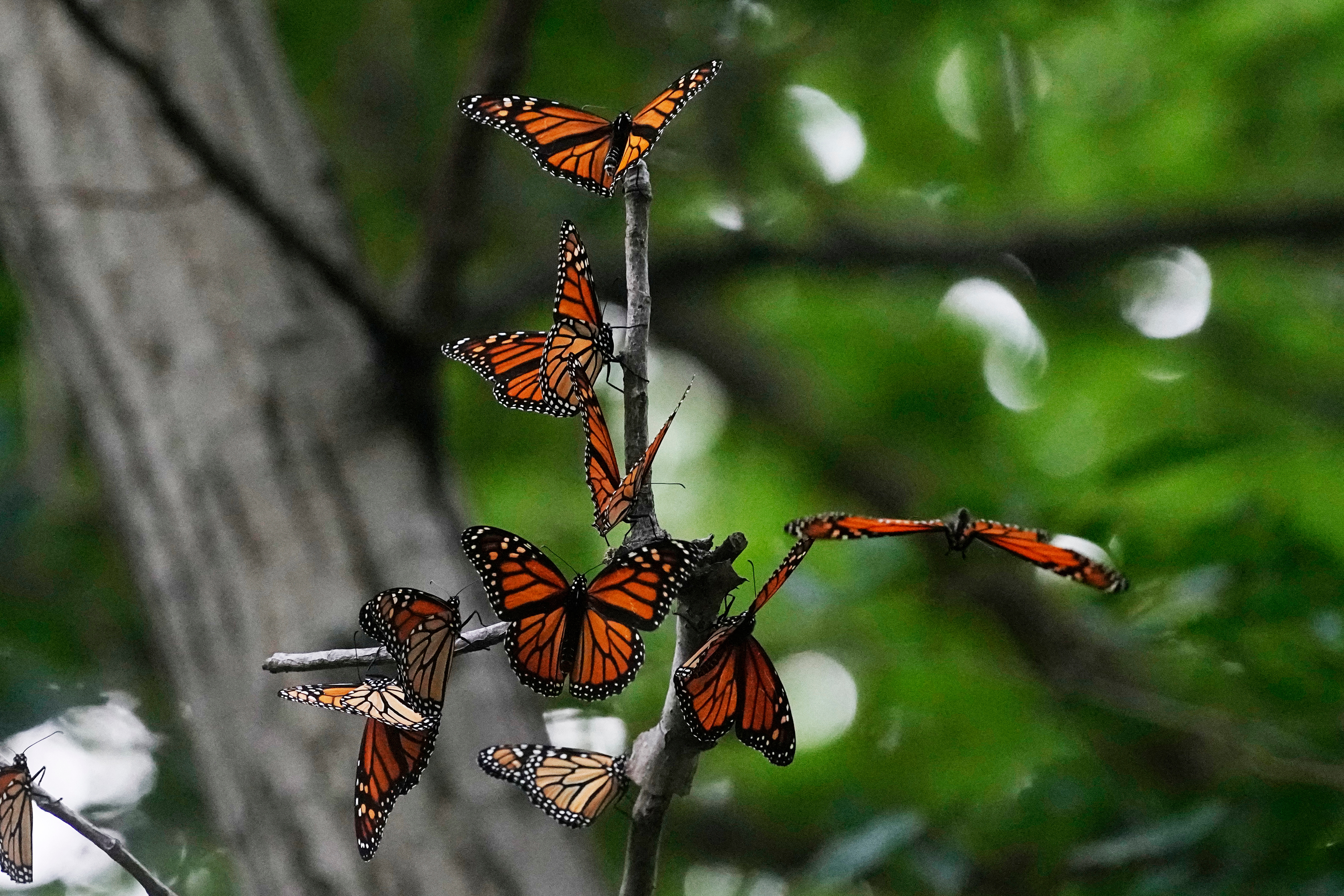
Scientists across North America are fitting nearly 1,750 monarch butterflies with solar-powered radio tags this year, hoping to map the insects’ long migration to Mexico and protect key resting sites before they disappear.
Key Statements and Focus Area
Why Pollinators Matter: “Pollinators are crucial to protect and ensure that our ecosystems remain healthy and also to have the sources of food that we require as humans.” — Rebeca Quiñonez-Piñón, Senior Scientist, National Wildlife Federation.
New Discoveries: “There’s just all these unique stories of their paths, connections between the population that we didn’t know existed or we hypothesized but couldn’t prove.” — Emma Pelton, Senior Conservation Biologist, Xerces Society for Invertebrate Conservation.
Focus Area: The use of lightweight tracking technology to uncover monarch migration routes and stopover locations and the threats driving their decline.
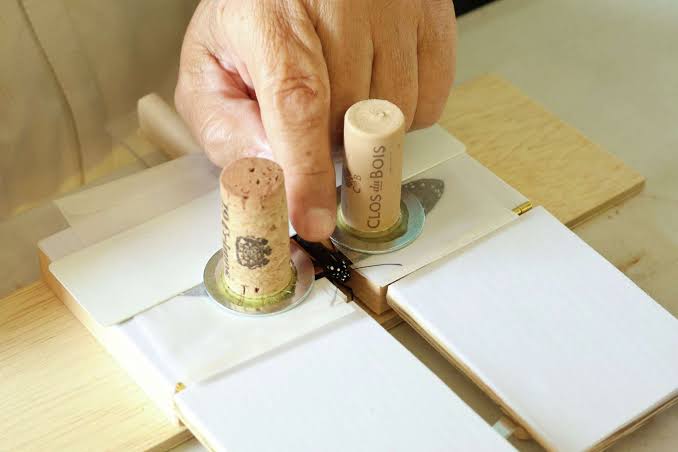
The tags, developed by Cellular Tracking Technologies, cost about $200 each and weigh roughly as much as a drop of water. Only butterflies heavier than about 400 milligrams are usually tagged, so they are not overburdened. Monarchs are caught with nets, calmed in cool temperatures, and fitted with the transmitter using adhesive.
About 175 tagged butterflies have been detected in Mexico since this year’s migration began. Early findings include the first evidence of a butterfly from Utah, west of the Rockies, joining eastern monarchs in central Mexico, and others that traveled down the Eastern Seaboard to Florida and crossed the Gulf of Mexico, a link not previously seen in such numbers.
The public can follow individual butterflies through the free Project Monarch Science app.
The National Wildlife Federation’s study focuses on the “Texas funnel,” the narrow corridor most eastern monarchs pass through each fall and spring, combining live tracking with community science to learn where they stop.
Researchers caution that the tags show only where a receiver detected a butterfly, not its exact location or whether it is still alive, and that further study is needed on whether the tags affect behavior.
The research comes as eastern monarch numbers have fallen more than 80 percent since the mid-1990s and western numbers by about 95 percent. Pesticides harm milkweed, the only food for caterpillars, while climate change disrupts migration cues and drought dries up nectar sources.
Conservationists are responding with highway nets in Texas that push butterflies higher, away from traffic, and mass plantings of milkweed and pollinator plants. A court has ordered the US government to make a final decision on federal protections by 2030, after a delay late last year.
FYI
Monarchs normally live two to six weeks, but those that migrate to Mexico can live up to nine months, traveling roughly 3,000 miles from as far as southern Canada to oyamel fir forests in a protected biosphere reserve and World Heritage site. Their journey has also made the monarch a symbol for the rights of international migrants.
Dive Deeper: Handpicked Stories for You
Follow Channel8 for continuous updates:
Bali Releases 20 Green Sea Turtles Seized in Smuggling Raid