Iraq Seeks Economic Overhaul Through Sixty Billion Dollar U.S. Partnership
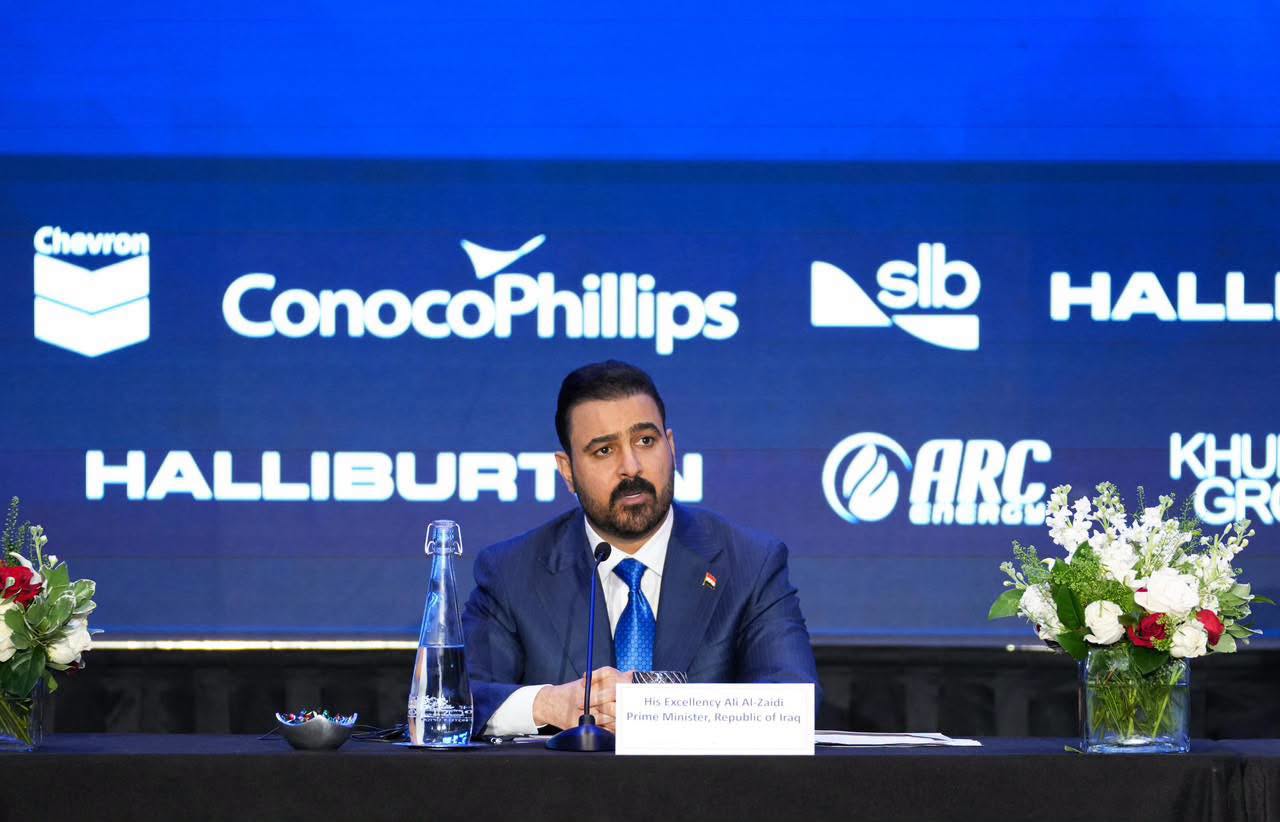
Iraqi Prime Minister Ali al-Zaidi returned to Baghdad following an official visit to the United States, where Iraqi public and private institutions signed 48 strategic agreements and memorandums of understanding valued at more than $60 billion.
The landmark economic framework aims to expand bilateral cooperation beyond security into commercial investment, energy, and infrastructure development, though unresolved domestic political challenges and opposition from armed factions threaten its implementation.
Scope of the Economic Partnership
The signed agreements establish a structure to attract major American corporations to Iraq, part of a broader effort by the al-Zaidi administration to stabilize the national economy amidst ongoing regional tension between the United States and Iran. Beyond large-scale energy infrastructure projects designed to modernize power grids and expand natural gas production, the framework covers commercial trade, pharmaceutical manufacturing, telecommunications, and agricultural development. Additionally, the bilateral arrangement includes expanded financial cooperation between the Central Bank of Iraq and international institutions to accelerate banking reforms and facilitate foreign direct investment.
Governance Hurdles and American Conditions
Despite receiving backing from major political alliances such as the Coordination Framework and the State Administration Coalition, the prime minister faces significant domestic hurdles. Officials in Washington have emphasized that long-term support and full investment implementation remain contingent on key administrative reforms. Specifically, the administration must complete pending cabinet appointments, implement systemic measures to curb public sector corruption, and enforce state control over weaponry by disarming non-state armed groups.
Disarmament Deadlines and Factional Resistance
The agreements have drawn criticism from local armed factions aligned under the Islamic Resistance front, who characterize the diplomatic pivot as a transition from military presence to economic dominance. Key factions, including Kata'ib Hezbollah, Harakat Hezbollah al-Nujaba, and Sayyid al-Shuhada, have maintained their refusal to surrender arms. A September 30 deadline serves as an upcoming benchmark for the government to demonstrate measurable progress on voluntary disarmament, after which state officials indicate military or law enforcement actions could be considered.
Security Context and Strategic Outlook
Recent security incidents and strikes targeting positions in the Kurdistan Region are interpreted by political observers as explicit warnings against deepening security and economic ties with Washington. Upon returning to Baghdad, Prime Minister al-Zaidi reiterated his commitment to fulfilling the terms of the strategic framework. The coming months will determine whether the administration can effectively resolve internal security risks to implement the $60 billion partnership or remain bogged down by domestic conflict.
20/07/2026