Iraqi Parliament Reviews Audit Report Detailing Trillions in Lost Revenue and Systemic Waste
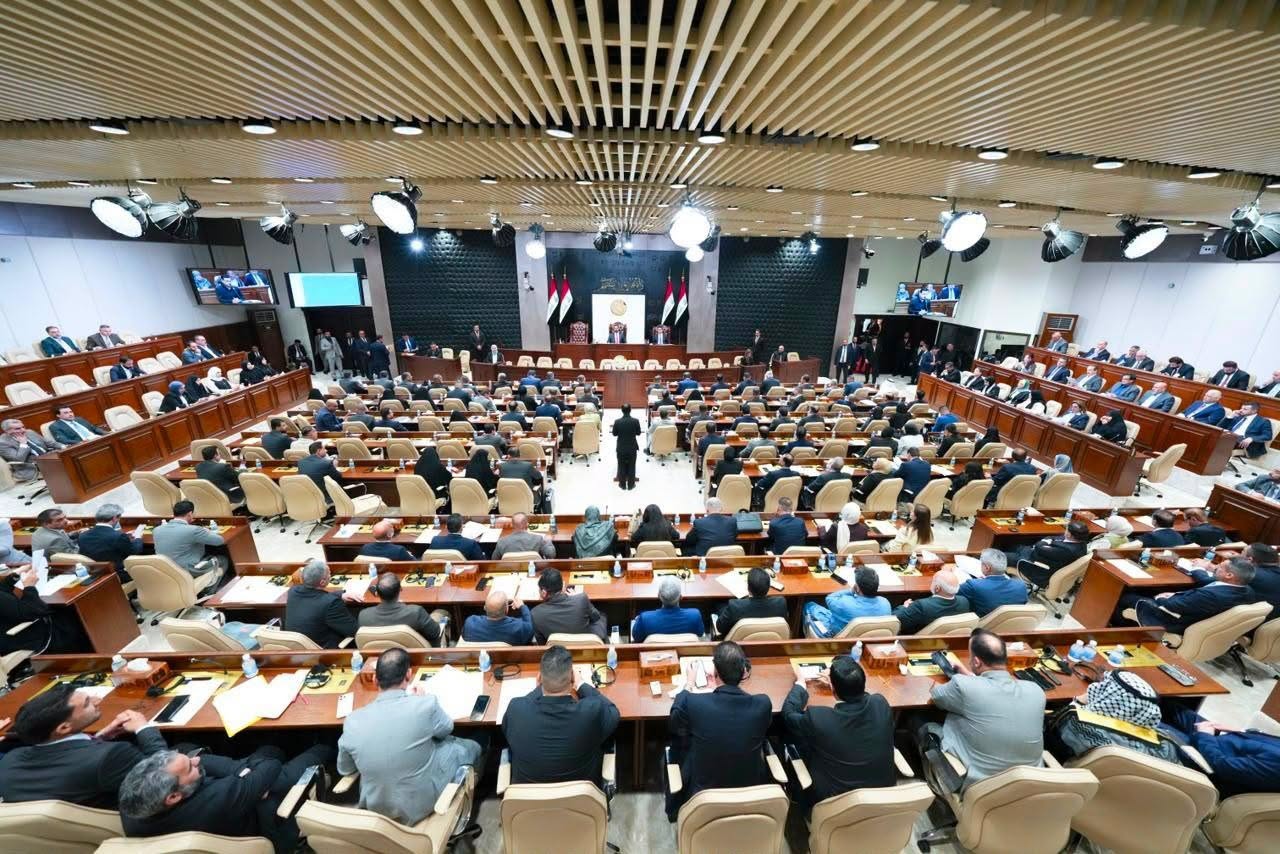
The Iraqi parliament reviewed the 2025 Federal Board of Supreme Audit report, questioning senior oversight officials over severe delays in final state accounts, uncollected revenues totaling trillions of dinars, and systemic waste across the nation's vital oil, tax, and energy sectors.
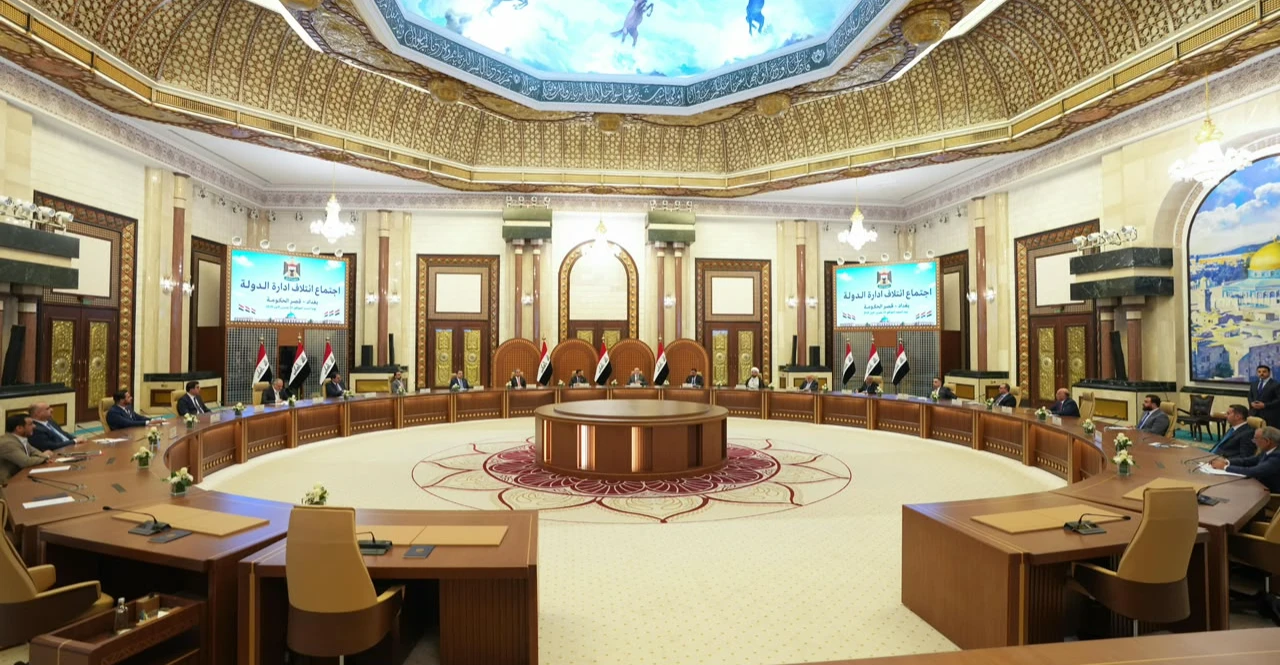
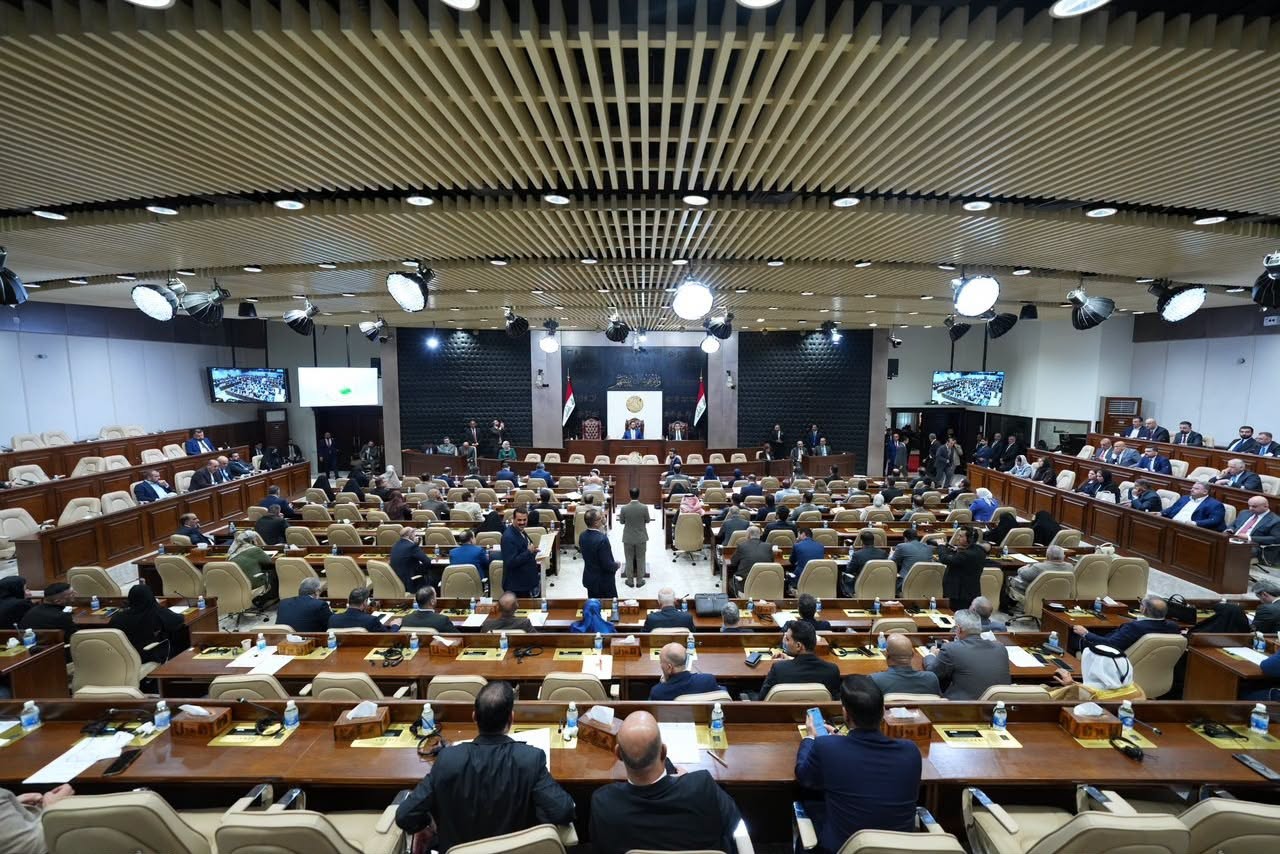
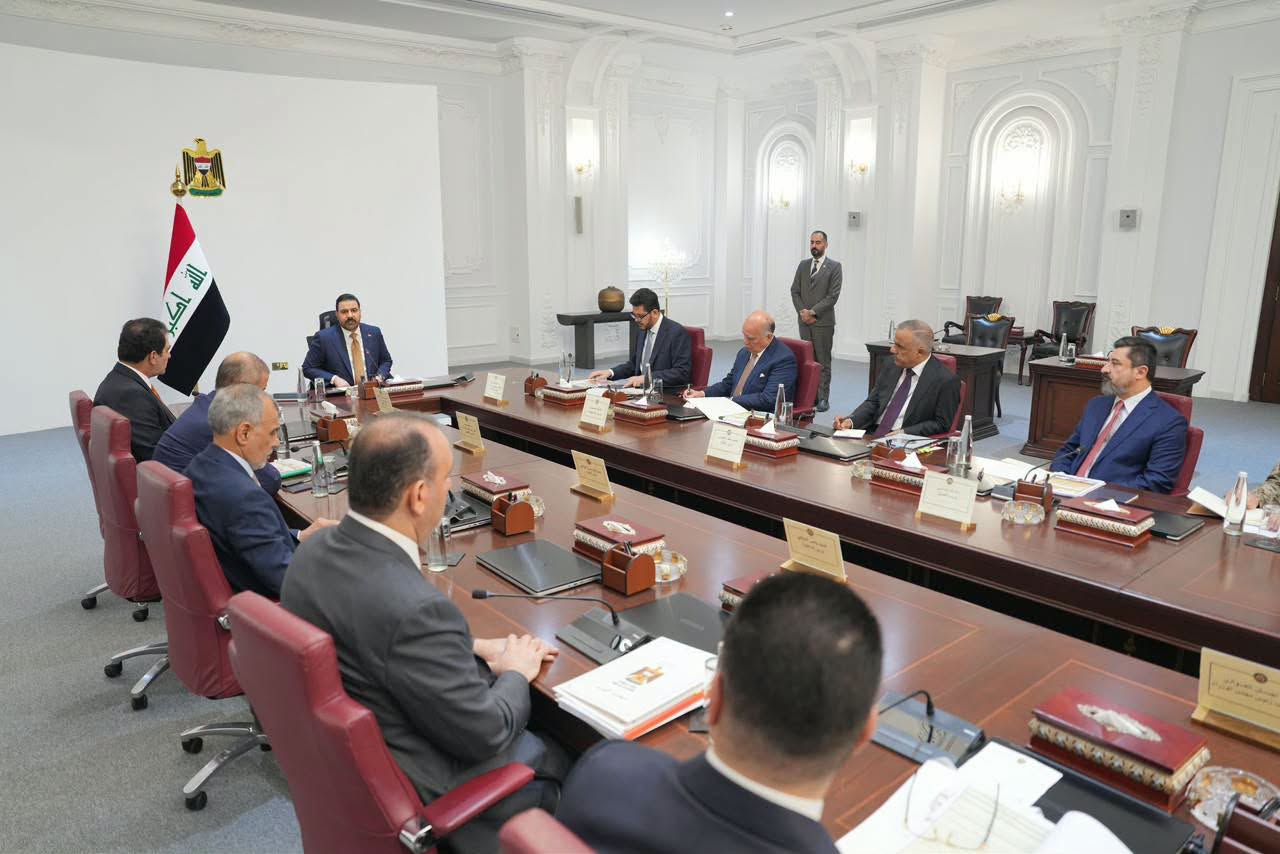
The Council of Representatives held its fourth session of its second legislative term, chaired by Speaker Heibat al-Halbousi on Tuesday, in the presence of Ammar Subhi, Head of the Board, and its senior staff.
According to the Media Directorate, the Speaker ordered a full presentation of the report for thorough debate, reaffirming parliament's commitment to reforming the oversight institution to safeguard public funds.
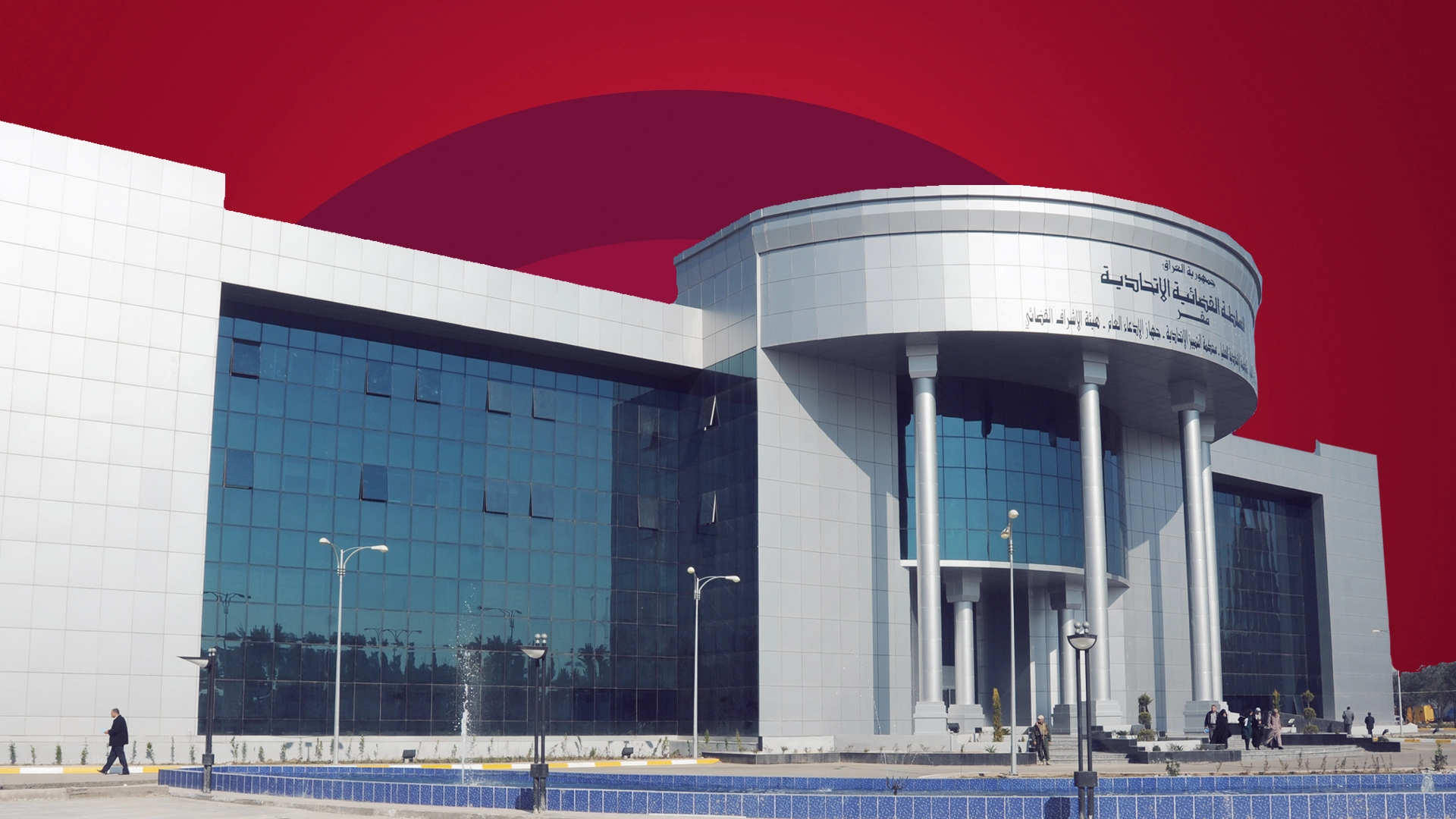
Subhi, Head of the Federal Board of Supreme Audit, summarized a 630-page report, highlighting audits of the Kurdistan Region and Iraq's three-year final accounts, while noting a delay in receiving accounts from 2022. The agency manages these audits with 3,500 employees across Iraq.
Iraq Audit Reveals 30 Trillion IQD in Uncollected Public Funds
The Board's head also identified 30 trillion IQD in uncollected public funds and penalties, along with the encroachment upon 500,000 state properties. This file, detailing the non-payment of profit shares and uncollected judicial fines, has been transferred to the Ministry of Justice for action.
The Board’s report on the financial sector evaluated 339 reports covering the Ministry of Finance, Central Bank, and state-owned banks up to 2025. It highlighted continued economic reliance on oil, widespread expenditure overruns, and unresolved advance balances within government entities.
Findings exposed tax collection failures, including unpaid fines and inaccurate reporting from private gas stations, alongside a 388 billion IQD tax underpayment by oil licensing companies.
The Iraq Fund for Foreign Development was also cited for failing to collect long-overdue loans from five countries.
Speaker Demands Stricter Audit Measures to Prevent Corruption
The parliament speaker stressed “the need for the Federal Board of Supreme Audit to take stricter measures and work on addressing problems to prevent phenomena of corruption and waste of public funds,” criticizing the report for falling short of its responsibility. He demanded detailed official letters identifying wasted funds, spending volumes, and financial violations per ministry to safeguard public funds as a national trust.
During the session, the First Deputy Speaker and Deputy Speaker emphasized that parliament will monitor independent bodies, set a strict timeframe for the audit board to address government violations, and demand comprehensive financial reports and finalized accounts before voting on the general budget law.
MPs Call for Comprehensive Oversight and Transparency
MPs focused on evaluating government sectors and categorizing violations in reports, as well as assessing the economic feasibility of large projects like the Baiji refinery.
They requested schedules of profit rates for oil and refinery contracts, scrutinized the oil marketing company's contracting files, and questioned the Board's role in residential project contracts and the legal basis for audit committees linked to the former Prime Minister's office.
MPs emphasized the need for professional auditing of all government institutions, transparency in revenue collection, and pointed out gaps in the Supreme Audit Board's reports, particularly regarding border crossings.