Kurdistan Region Ships Thousands of Tons of Produce Daily to Iraq
At a Glance
- 6,000 to 8,000 tons of local fruits, vegetables, and poultry dispatched daily to central and southern Iraq.
- Outgoing produce undergoes mandatory quality control supported by regional wholesale markets before export.
- Erbil and Baghdad align reciprocal import bans to protect domestic farmers during harvest seasons.
- Mosul, Sulaymaniyah, and Prde checkpoints serve as primary transit corridors for regional shipments.
Driven by expanding harvest yields, the Kurdistan Region is delivering up to 8,000 tons of fresh produce and poultry products daily to central and southern Iraqi provinces through three main commercial checkpoints.
Key Statements and Focus Area
- Daily Supply Volume: "Daily, through the Mosul, Slemani, and Prde (Altyn Kupri) checkpoints, 6,000 to 8,000 tons of various fruits and vegetables are sent to central and southern Iraq, in addition to egg and chicken produce," stated Rzgar Hama Khdir, Advisor to the KRG Ministry of Agriculture and Water Resources.
- Diverse Agricultural Products: "Tomatoes, cucumbers, onions, potatoes, watermelons, melons, and various greens, which are local produce of the Kurdistan Region, are sent to central and southern Iraq without any issues."
- Quality Control Oversight: "All local produce of the Kurdistan Region is shipped with the official support of the Kurdistan Region’s wholesale markets (alwas), where they undergo quality inspection before being dispatched."
- Reciprocal Import Policy: "When the local produce of the Kurdistan Region reaches harvest, Baghdad bans the import of those items. Conversely, when Iraqi fruit and vegetable produce reaches harvest, those products are banned in the Kurdistan Region so that local produce can be marketed and sold."
Daily Shipments and Transit Routes
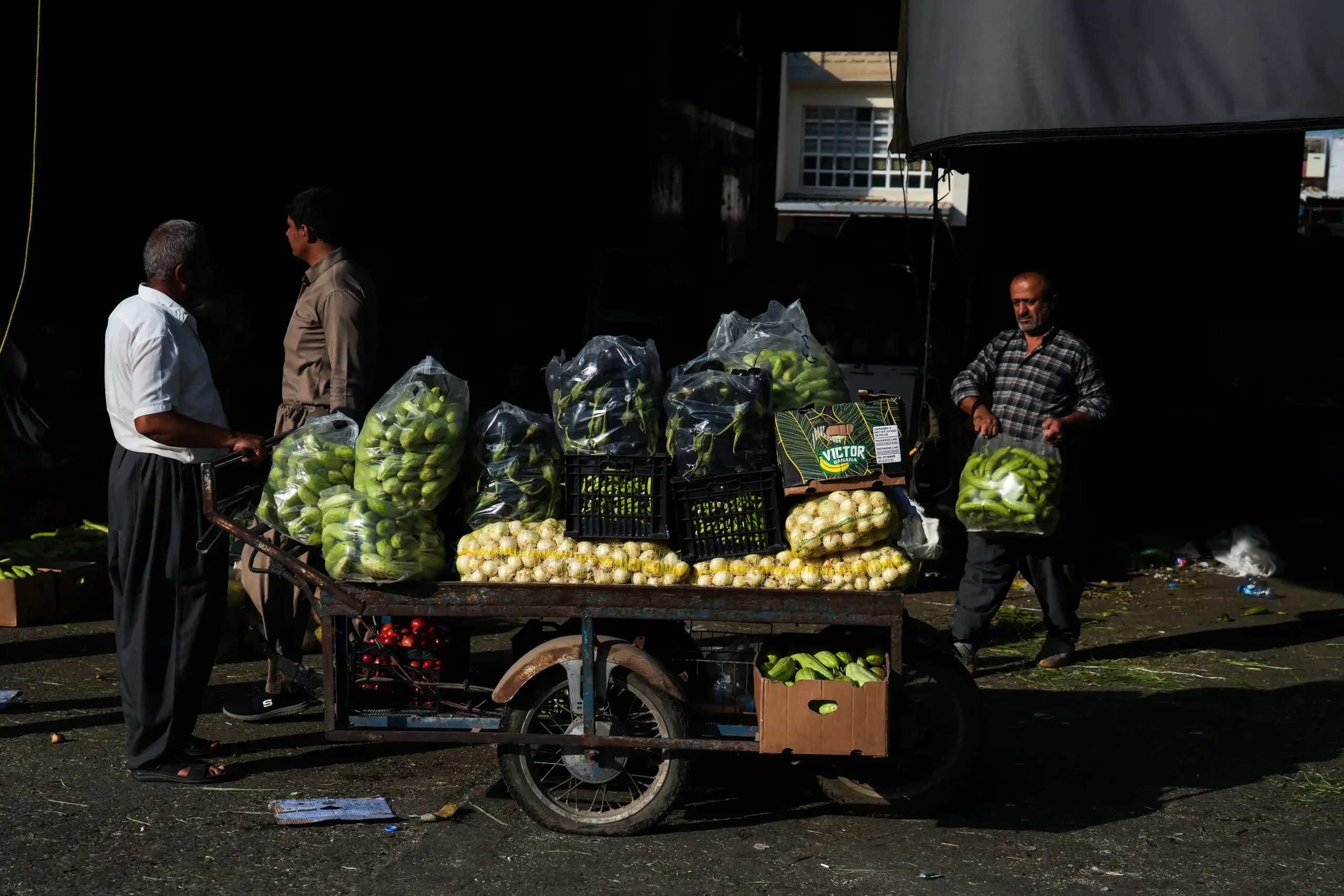
The Kurdistan Region’s agricultural output continues to supply markets across central and southern Iraq. According to Rzgar Hama Khdir, Advisor to the KRG Ministry of Agriculture and Water Resources, between 6,000 and 8,000 tons of seasonal produce, including tomatoes, potatoes, onions, watermelons, and green leafy vegetables, are dispatched daily. In addition to fresh crops, poultry products such as chicken and eggs are regularly transported across domestic borders through primary transit hubs in Mosul, Sulaymaniyah, and Prde.
Inspection Standards and Market Protection
To ensure compliance with health and commercial standards, all outgoing shipments receive official authorization through regional wholesale markets (alwa). Every batch undergoes quality control inspections prior to distribution to guarantee safety for consumers nationwide.
Furthermore, bilateral coordination between Erbil and Baghdad has formalized a seasonal agricultural calendar. Under this arrangement, external foreign imports are restricted in tandem with regional harvest schedules: when northern crops mature, federal authorities prohibit foreign imports to support domestic sales, and reciprocal protections are applied when southern and central harvests peak.
FYI:
In recent years, the Kurdistan Region has increasingly functioned as a primary agricultural engine for Iraq, leveraging expanded greenhouse cultivation and favorable growing seasons. As climate challenges and water scarcity continue to affect agricultural yields across southern governorates, institutional cooperation on joint agricultural calendars and cross-border transport remains vital to maintaining national food security and stabilizing domestic produce prices.
28/07/2026