PMF Reports 20 Dead in US-Saudi Strikes Across Iraq
At a Glance
- At least 20 killed and 32 injured in preliminary casualty count.
- Strikes targeted official PMF headquarters across seven Iraqi governorates.
- Widespread material destruction reported to bases, vehicles, and military assets.
- PMF field committees launched to audit damage and compile final report.
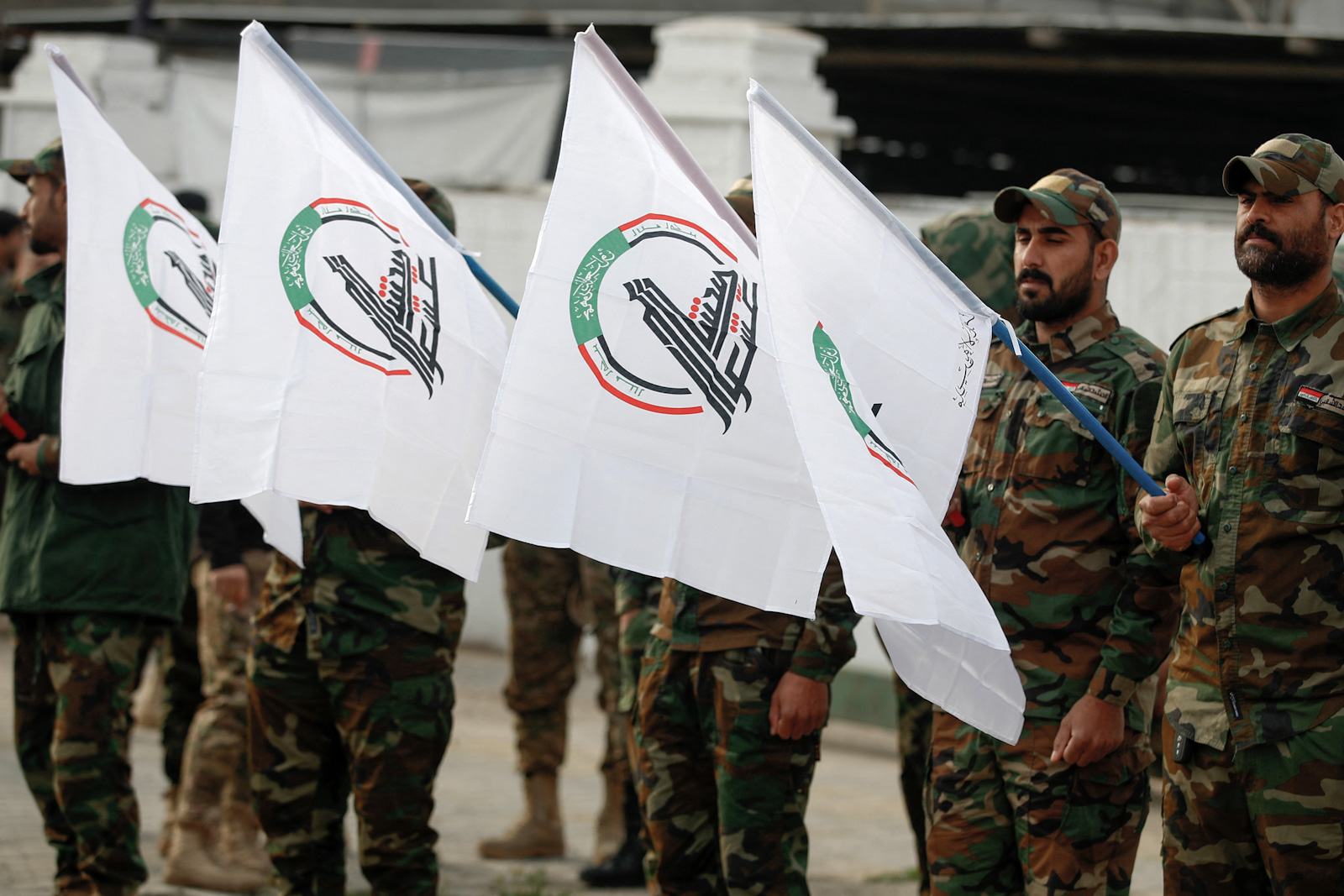
Iraq’s Popular Mobilization Forces (PMF) Commission has issued its first official report on the casualties and structural destruction following a wave of early-morning airstrikes across multiple governorates. The commission characterized the overnight bombardments as a "joint US-Saudi aggression," warning that casualty figures remain preliminary as field search and audit operations continue on the ground.
Key Statements and Focus Area
- On Initial Toll: Characterizing the attacks as a "joint US-Saudi aggression", the PMF General Directorate of Media confirmed that "at least 20 of its members were killed and 32 others were injured" in early figures.
- On Geographic Scope: The commission noted that air raids simultaneously hit official sites in seven provinces, confirming "the attacks targeted PMF headquarters in Baghdad, Wasit, Nineveh, Basra, Kirkuk, Karbala, and Diyala".
- On Physical Impact: Highlighting extensive operational losses, the commission stated that the strikes caused "varying degrees of material damage to a number of headquarters, vehicles, and military equipment".
- On Verification Operations: PMF officials underscored that "figures are preliminary and the casualty count may rise" while dedicated specialized field committees audit the full scope of damage.
Initial Casualties and Wounded
The General Directorate of Media for the Popular Mobilization Forces announced that as a result of the attacks, which it described as a "joint US-Saudi aggression" at least 20 of its members were killed and 32 others were injured. The commission noted that these figures are preliminary and that the casualty count may rise as search and verification operations continue.
Targeted Governorates
According to gathered PMF information, the airstrikes targeted the commission's official headquarters in seven Iraqi governorates. The targeted provinces are: Baghdad, Wasit, Nineveh, Basra, Kirkuk, Karbala, and Diyala.
Material and Military Equipment Damage
In addition to human casualties, the bombardments caused extensive material damage to headquarters. The PMF Commission stated that several official bases, vehicles, and pieces of military equipment were destroyed or damaged in the attacks.
Ongoing Field Committee Operations
Specialized field committees from the PMF are currently continuing their work across all targeted areas. The task of these committees is to precisely determine the extent of the damage and audit the data to prepare a final report on the aftermath of the attacks, which took place early this Wednesday morning, July 29, 2026.
FYI:
The unprecedented scale and direct attribution of these multi-province strikes highlight a dangerous escalation in regional friction. By striking official state-linked security infrastructure simultaneously across key central, southern, and northern provinces, the incident places Baghdad in a delicate political position, balancing national security responses against escalating regional confrontations involving foreign powers and regional defense forces.
These overnight operations mark the first reported joint action of this nature targeting PMF infrastructure in Iraq, following claims by US Central Command and Saudi defense authorities regarding recent retaliatory strikes against drone capabilities and logistics hubs. The strikes come against a backdrop of heightened regional tension, coinciding with planned diplomatic engagements between Iraqi leadership and neighboring governments aimed at curbing cross-border security friction and stabilizing regional trade corridors.