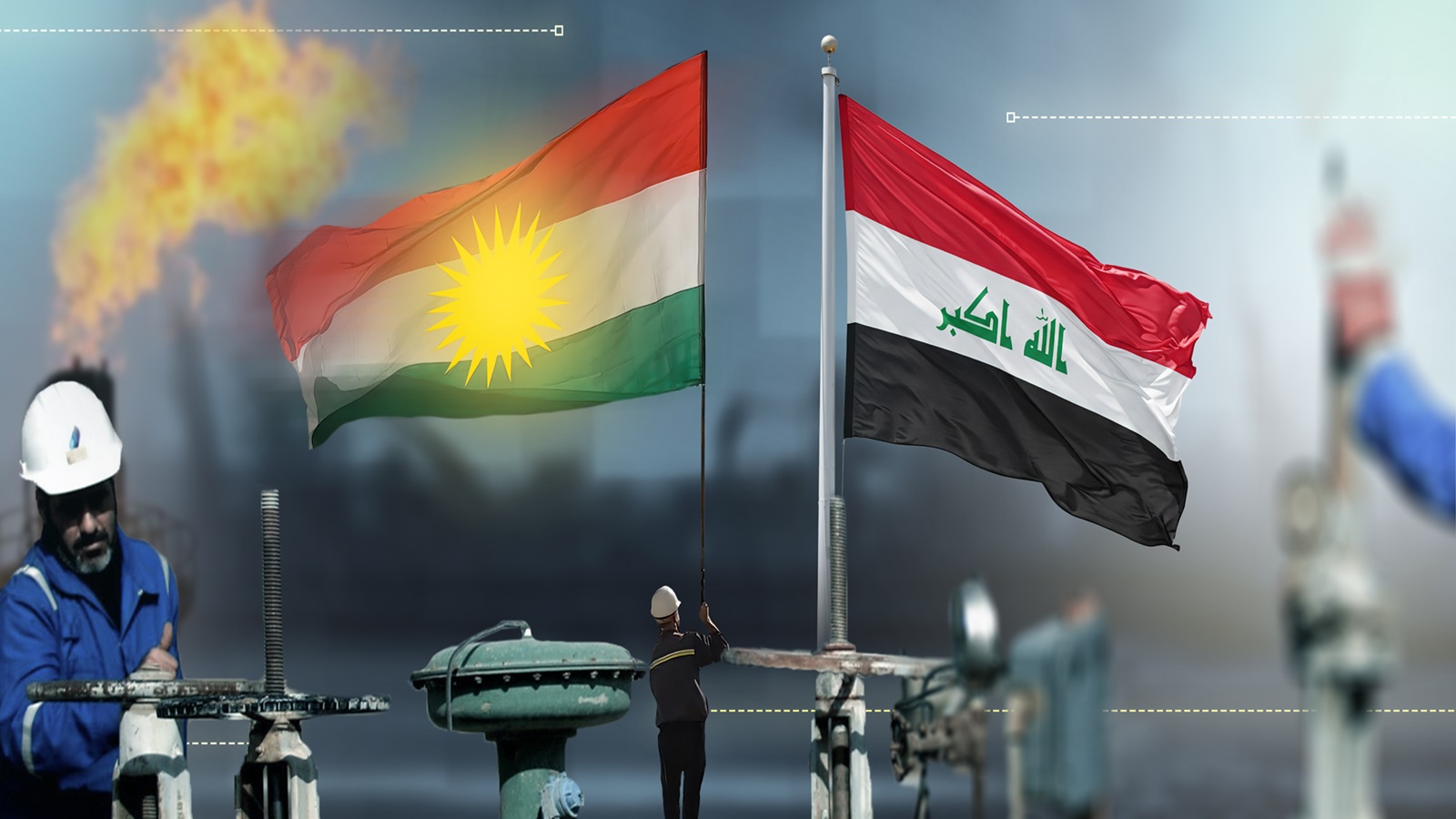
Al-Sadr Urges Regional Restraint and Condemns Foreign Attacks on Iraq
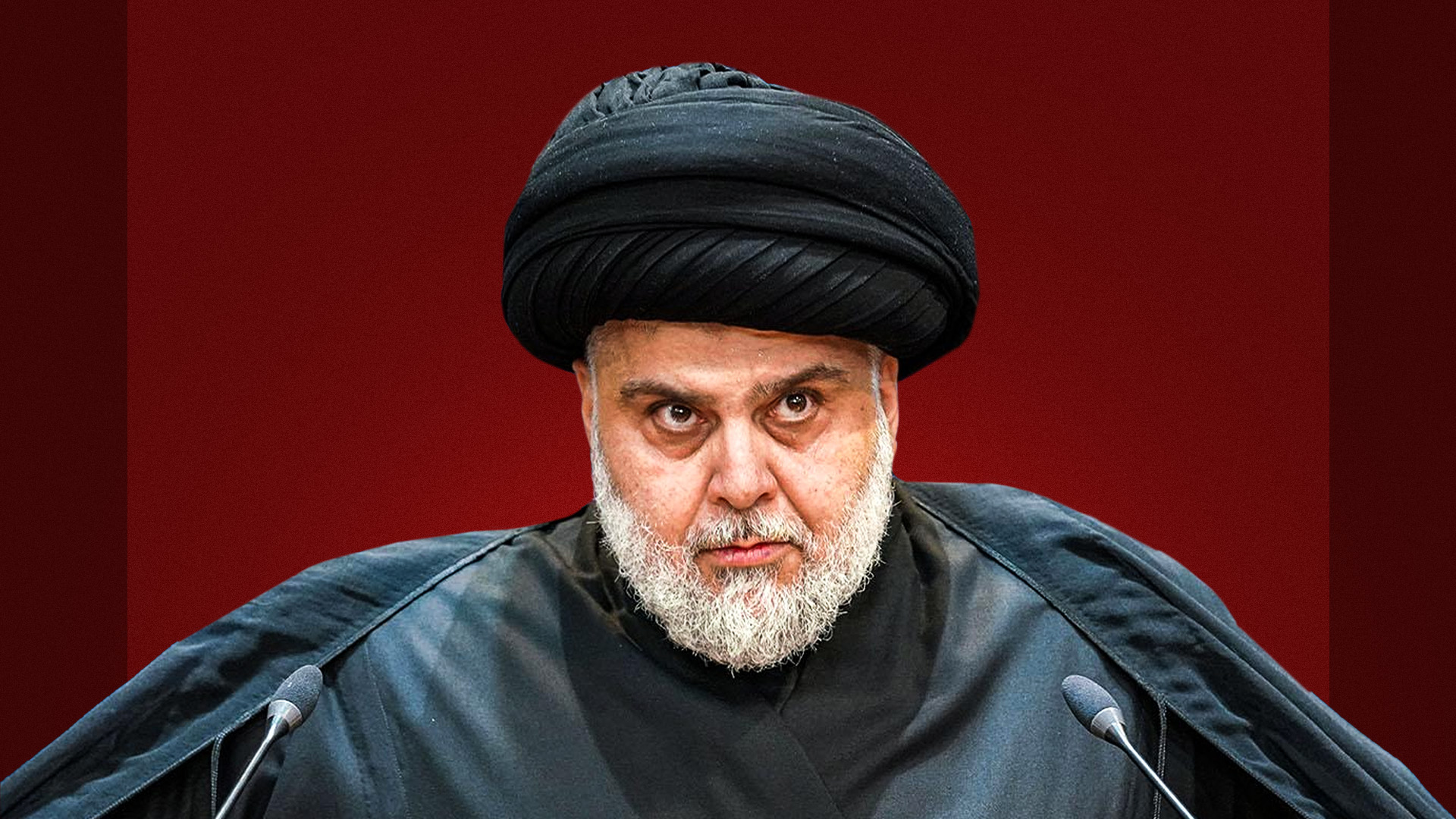
- Muqtada al-Sadr issues public warning against turning Iraq into a regional battlefield.
- Direct appeal to Iran’s IRGC to cease strikes on independent Iraqi territory.
- Strong rebuke of "rogue militias" for provoking regional military escalation.
- Call for national government to enforce sovereignty and guard against sleeper cells.
Influential Shia cleric Muqtada al-Sadr has issued a formal declaration condemning both foreign strikes and militia provocations across Iraqi territory.
Calling for regional harmony, al-Sadr urged neighboring states, specifically targeting Iran's Islamic Revolutionary Guard Corps (IRGC) and Arab Gulf nations, as well as domestic armed factions to respect Iraq's sovereignty and prevent the country from being dragged into wider regional conflict.
Key Statements and Focus Area
- On Iranian Cross-Border Strikes: Addressing regional forces directly, Sadr declared that "since this holy land has not been a launching pad for bombing the Islamic Republic, the brothers in the Revolutionary Guard must not bomb our independent holy lands".
- On Domestic Militia Actions: Rebuking non-state armed groups, Sadr warned that "rogue militias must not provide a pretext for the brothers in the Arab Gulf states to target our holy land" while condemning their "insolent actions to drag Iraq into a pointless war".
- On State Sovereignty and Government Role: Demanding firm action from Baghdad, Sadr urged the government to "establish security, enforce sovereignty, and work seriously for the safety of the Iraqi people and their holy sites".
- On Rejection of Conflict: Expressing fatigue over ongoing hostilities, Sadr emphasized that "Iraq and its people are in need of peace; enough with war, which has unfortunately drained all of Iraq's capabilities and dignity".
Direct Appeal to Iran and Gulf Neighbors
In a statement published under his official title, Muqtada al-Sadr emphasized Iraq's historical and religious status as the capital of the Household of the Prophet. Pointing out that Iraqi territory has not served as a staging ground for attacks against Iran, al-Sadr explicitly called on Iran's Revolutionary Guard Corps to halt bombardments within Iraqi borders. Simultaneously, he appealed to neighboring Arab Gulf states to maintain peace and avoid being drawn into military actions on Iraqi soil.
Rebuttal of "Rogue Militias" and Sectarian Agendas
Al-Sadr launched a sharp critique against domestic armed factions, characterizing them as "rogue militias" whose uncoordinated strikes risk inviting foreign retaliation. He cautioned all parties against falling into foreign geopolitical traps intended to provoke internal strife. Furthermore, Sadr called for heightened vigilance against dormant terrorist cells that might exploit escalating sectarian rhetoric to destabilize domestic security.
Government Obligations and Anti-Hegemony Stance
Framing his message as a overarching call for peace, the Sadrist movement leader insisted that the Iraqi federal government take immediate, decisive steps to safeguard national borders and critical infrastructure. Al-Sadr concluded by advocating for an Iraq entirely free from foreign military bases, regional normalization pressures, and external colonial influence.
FYI:
Al-Sadr's intervention highlights the delicate balancing act Iraq faces whenever regional tensions flare between Iran, Gulf neighbors, and foreign forces. By positioning himself as a defender of national sovereignty, equally opposed to Iranian cross-border operations, rogue militia activity, and foreign military presences, al-Sadr reinforces his stance as an independent nationalist voice seeking to insulate Baghdad from regional proxy warfare.
This address follows a pattern of public statements by Muqtada al-Sadr aimed at containing cross-border military spillover into Iraq. Over recent years, Sadr has consistently advocated for the disarmament of non-state armed groups and the consolidation of all military authority under the Iraqi government, particularly during periods of heightened tension involving Iran, the United States, and neighboring Gulf states.