Iraq Security Council Condemns U.S.-Saudi Airstrikes
At a Glance
- Emergency meeting chaired by al-Zaidi
- Council condemns U.S.-Saudi air attack
- Security plan ordered to protect sovereignty
- Foreign Ministry instructed to document incident
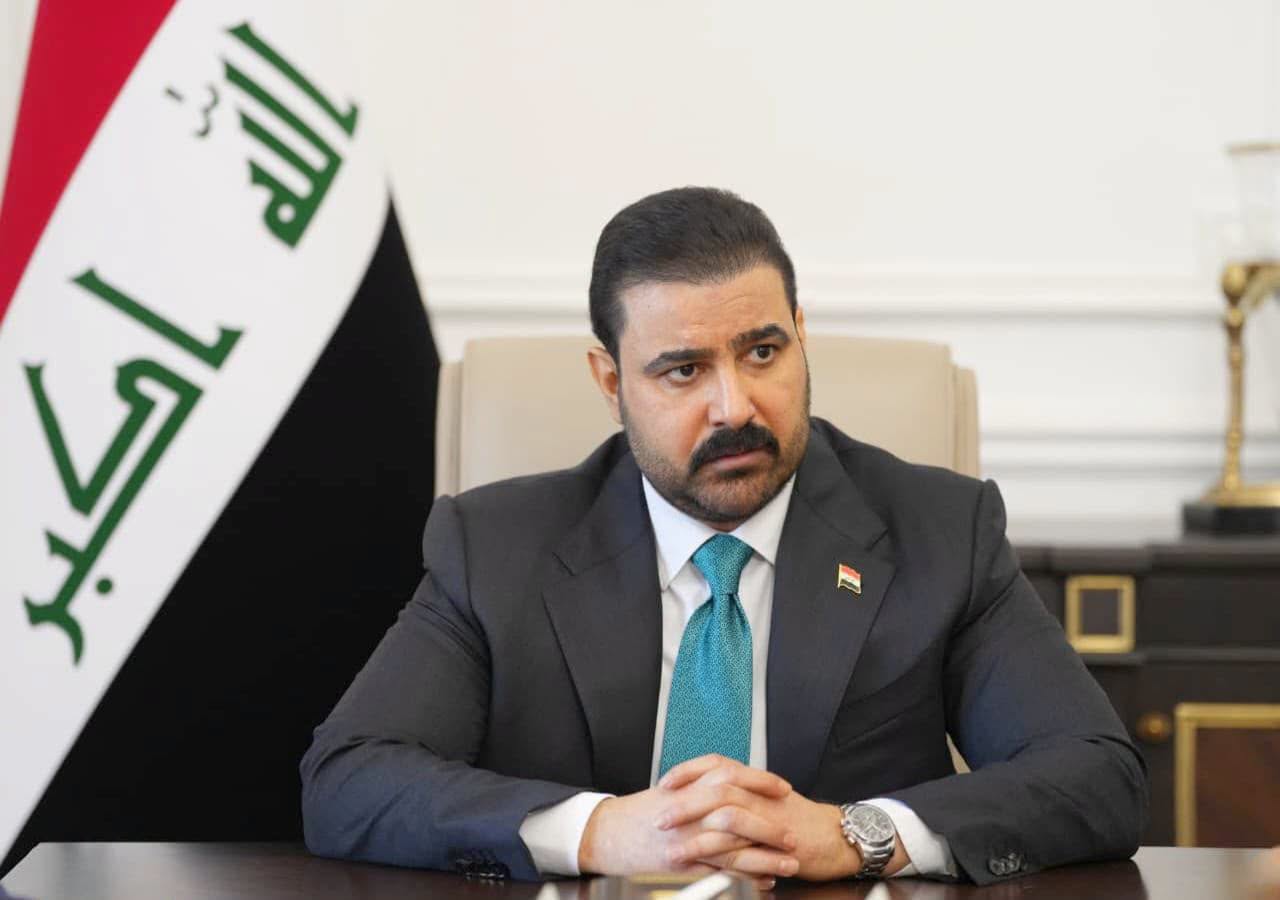
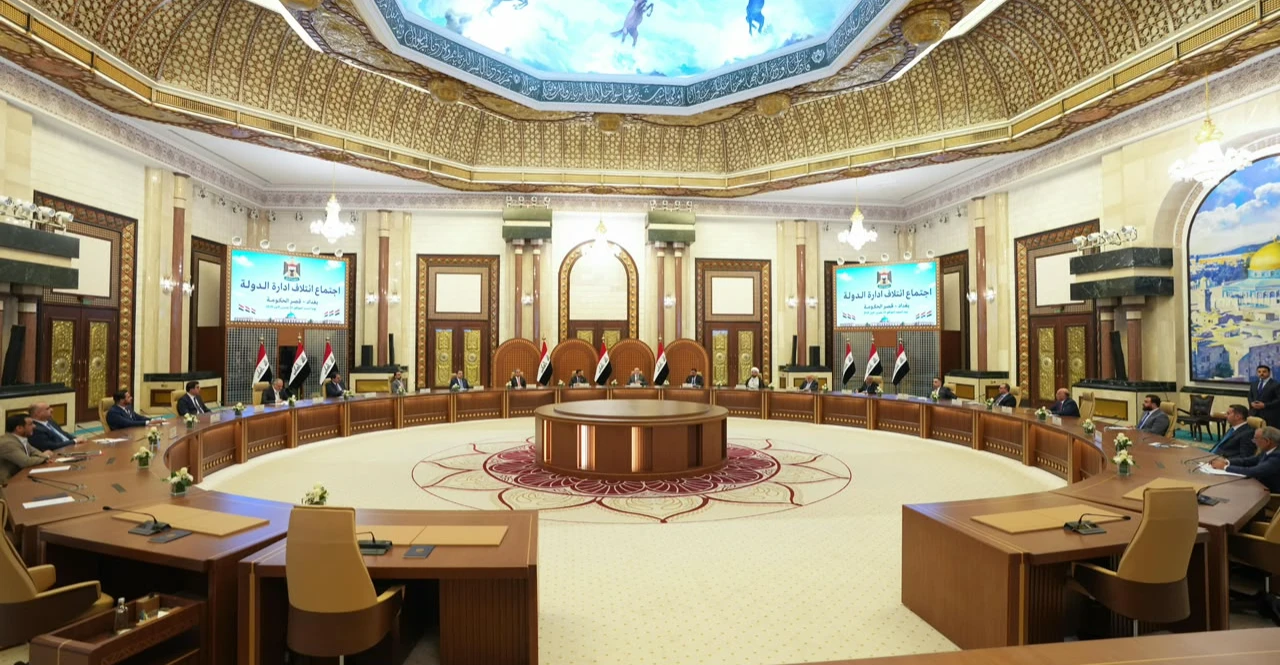
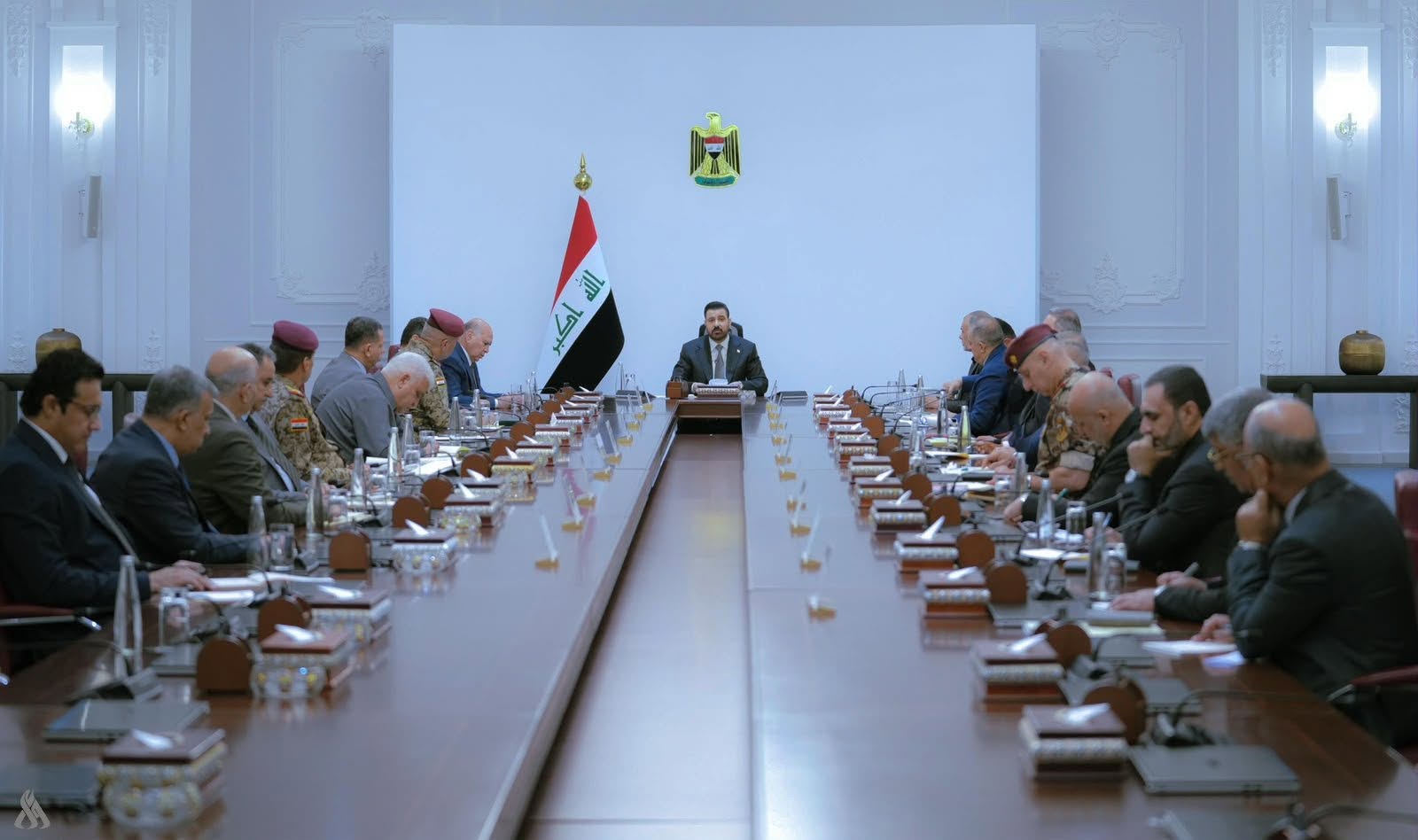
Iraq’s National Security Council held an emergency meeting on Wednesday, chaired by Prime Minister and Commander-in-Chief of the Armed Forces Ali Faleh al-Zaidi, following an air attack by U.S. and Saudi forces that the government said killed and wounded Iraqi citizens.
Key Statements and Focus Area
- Condemnation: The Council “condemned and denounced” the attack and rejected hostile actions regardless of the party responsible or the justification given.
- Sovereignty: It ordered an integrated security plan to “hold the ground” against violations of Iraq’s sovereignty while preventing any party from using Iraqi territory to threaten neighboring countries.
- Diplomatic action: The Foreign Ministry was directed to act under international law and the UN Charter to document the incident and secure Iraq’s “legitimate rights.”
- State authority: The Council stressed that confronting such attacks is the “exclusive responsibility of the Iraqi government and constitutional state institutions.”
- Regional stability: The government reiterated its commitment to dialogue, cooperation, international law and “good neighborliness” as the basis of its foreign policy.
Emergency Meeting Follows Air Attack
The National Security Council convened an emergency meeting on Wednesday to discuss developments in Iraq’s security situation and the attack launched by U.S. and Saudi air forces earlier in the day.
According to the Council, the attack resulted in a number of deaths and injuries among Iraqi citizens.
The Council condemned the attack, saying it came while the Iraqi government was communicating with relevant parties to verify and address issues raised by Saudi Arabia and the United States concerning attacks targeting Saudi territory.
Security Plan Ordered to Protect Sovereignty
The Council decided to establish an integrated security plan aimed at maintaining control on the ground and countering any violation of Iraq’s sovereignty.
The plan will also seek to prevent any party from operating from Iraqi territory in a way that threatens neighboring countries.
The Council directed the Ministry of Foreign Affairs to take action under international law and the United Nations Charter to document the incident and protect Iraq’s legitimate rights.
Government Rejects Unilateral Military Action
The meeting reaffirmed the government’s rejection of hostile actions regardless of who carries them out or the justifications presented.
The Council stressed that responding to and confronting such attacks is the responsibility of the Iraqi government and constitutional state institutions alone.
It also renewed the government’s commitment to regional stability and to contributing to international peace and security through a foreign policy centered on dialogue, cooperation, respect for international law and good-neighborly relations.
Iraq Seeks Distance From Regional Conflicts
The Council said diplomatic channels should be used to resolve conflicts as part of a strategic approach aimed at keeping Iraq away from regional conflicts.
It said this approach is intended to protect Iraq’s national interests and safeguard the security and sovereignty of its people.
The government also said it has, since the early days of its formation, worked to strengthen the rule of law and place security operations under official state institutions.
At the same time, it rejected what it described as “unjustified unilateral actions,” saying they undermine national sovereignty and hinder government efforts to strengthen security and stability in Iraq and the wider region.
Government Urges Parties to Avoid Escalation
The government called on all parties not to pursue actions that could deepen regional instability or undermine its law-enforcement plan.
The Council said the government’s approach has been in place since it assumed responsibility and is intended to reinforce state authority and prevent further escalation.
The Council confirmed that Iraq will continue implementing the security agreement concerning the withdrawal of the International Coalition by the end of September 2025.
It also said procedures to restrict weapons to the hands of the state would continue.
Condolences to Victims’ Families
The Council expressed its deepest condolences to the families of those killed in the attack and wished the wounded a speedy recovery.
It stressed that Iraqi lives and blood remain subject to the “highest levels of attention and responsibility” from the government.
FYI:
The emergency meeting comes as the Iraqi government seeks to reinforce state control over security and military decisions while maintaining a policy of keeping Iraq outside regional conflicts. The Council’s statement combines condemnation of the latest attack with renewed emphasis on diplomatic engagement, protection of Iraqi sovereignty, and the government’s efforts to place weapons and security operations under state institutions.