KRG Reviews Security, Fuel Crisis, and 2027 Budget
At a Glance
- Cabinet condemns attacks on Kurdistan Region
- Measures ordered to address fuel crisis
- 2027 federal budget preparations discussed
- KRG reaffirms constitutional financial rights
The Kurdistan Region Council of Ministers discussed ongoing security concerns, measures to resolve the fuel crisis, preparations for the 2027 federal budget, and draft federal financial legislation, while reaffirming the Region's constitutional rights and financial entitlements.
Key Statements and Focus Area
- Security: The Council condemned continued terrorist attacks on the Kurdistan Region and reaffirmed its commitment to peace and dialogue.
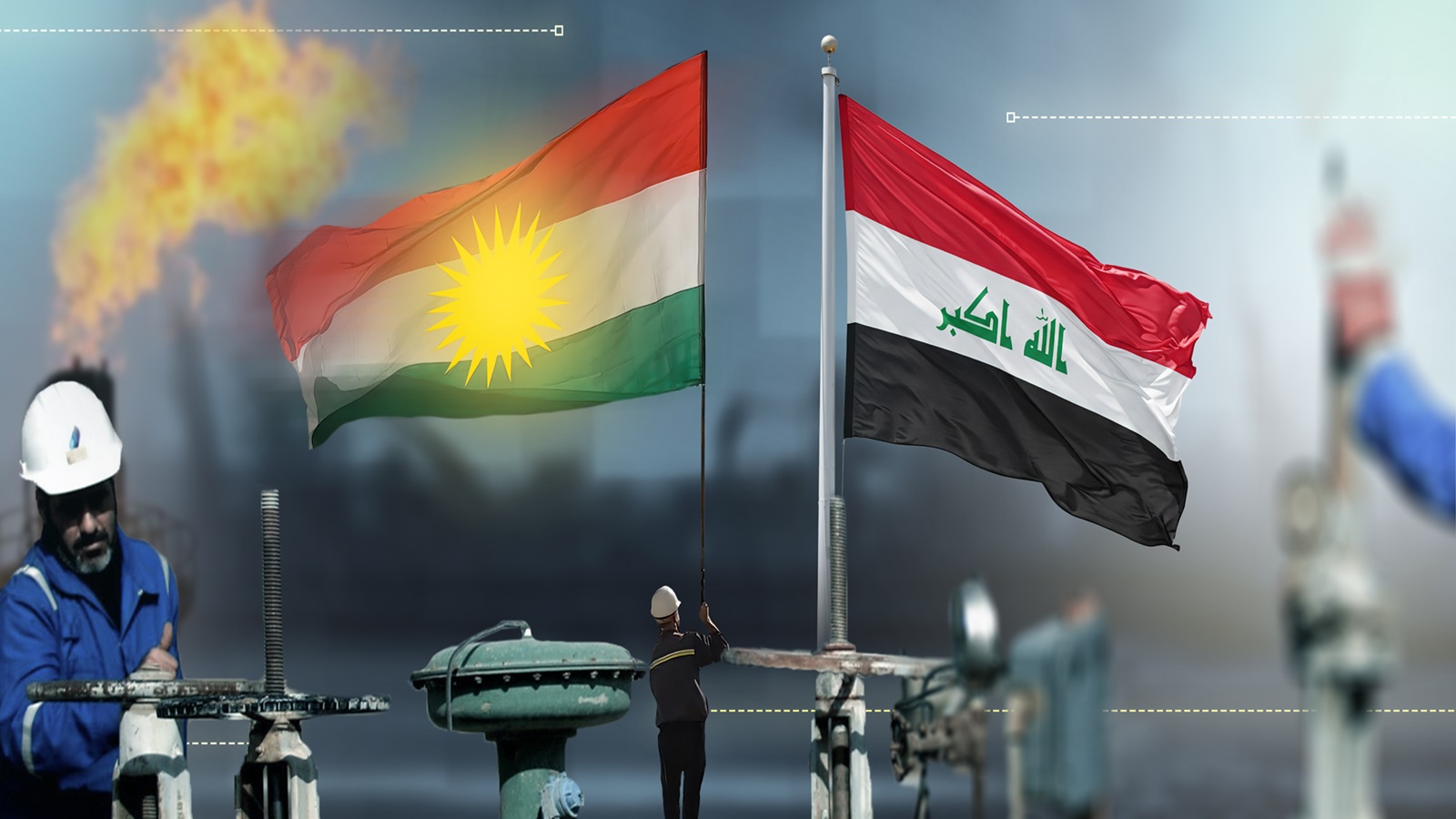
- Fuel crisis: Ministries were instructed to restore fuel supplies, resume gas production, and prevent market monopolies.
- 2027 budget: The KRG began preparing a unified position for negotiations on the federal budget.
- Financial rights: The Council stressed the Region's constitutional entitlement to salaries, oil for domestic consumption, and a fair share of federal loans, grants, and subsidies.
Cabinet Condemns Attacks
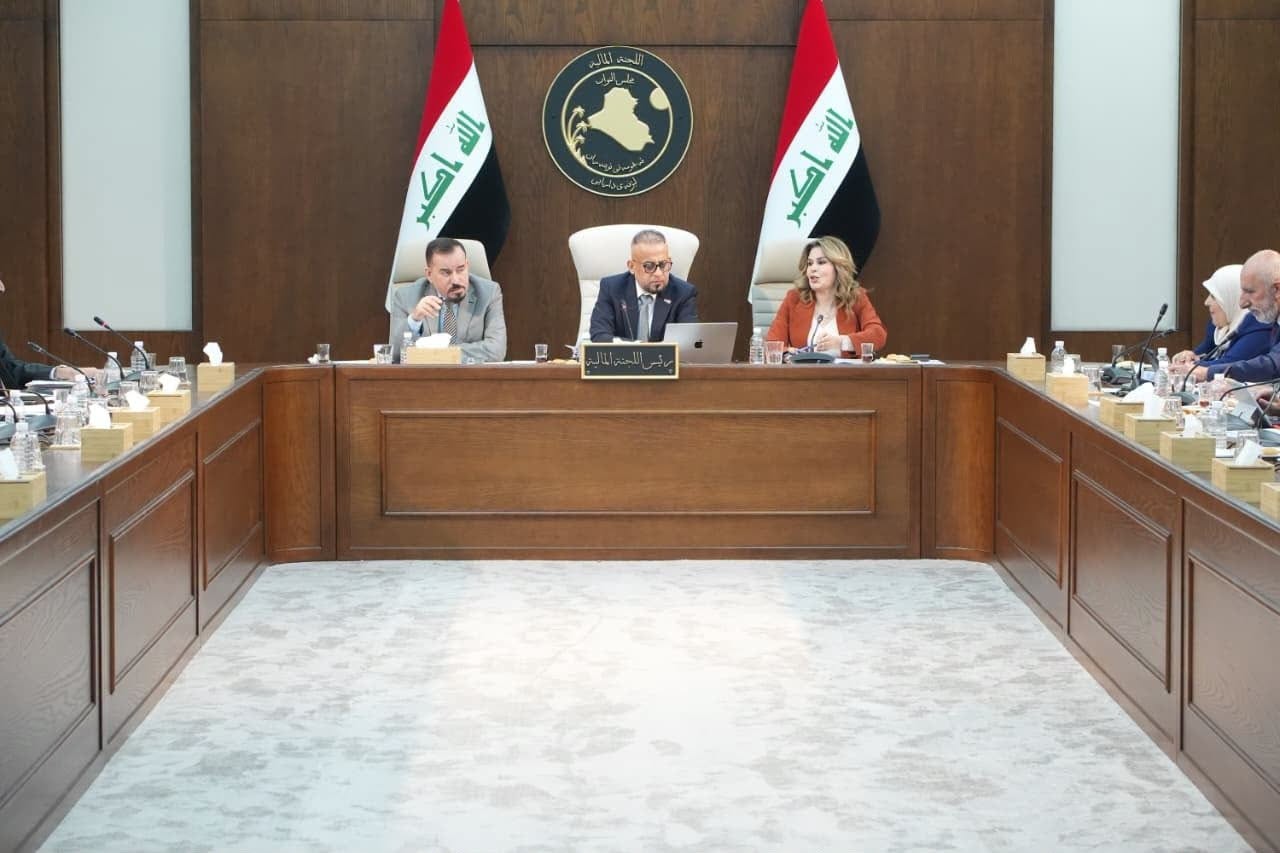
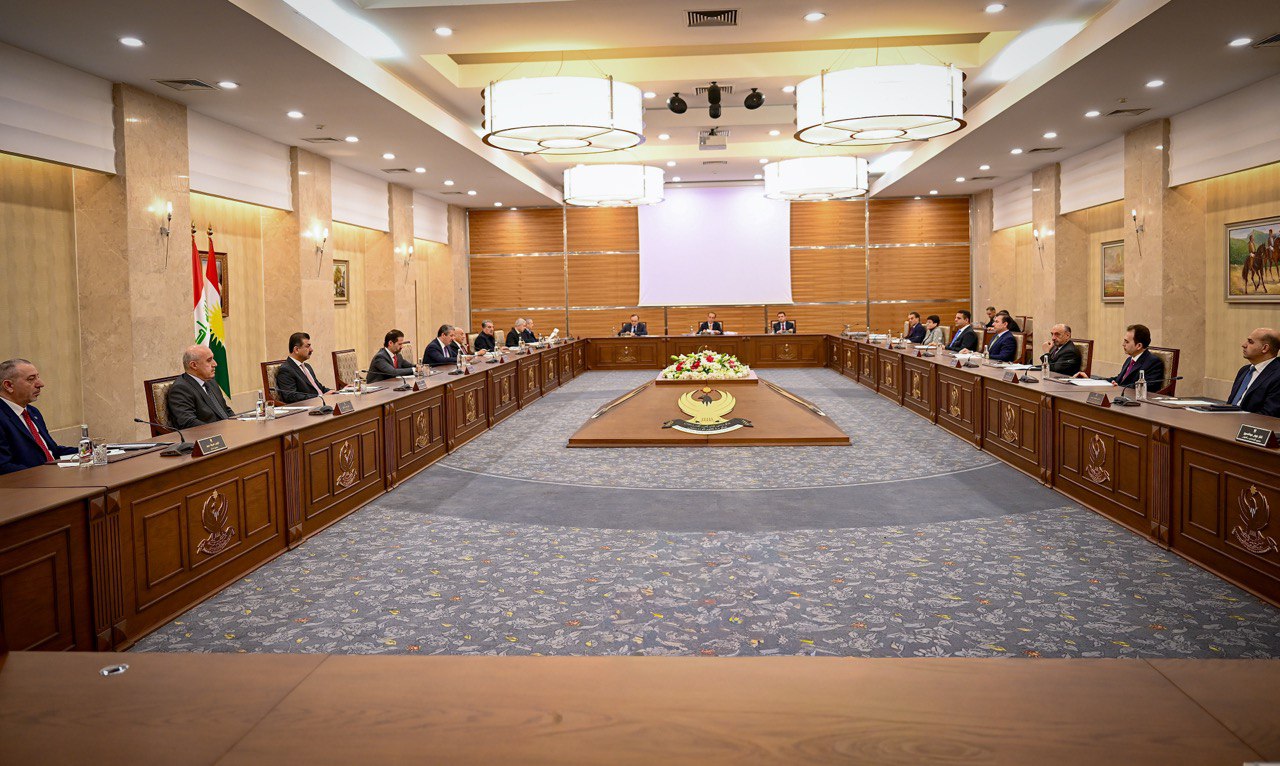
The Kurdistan Region Council of Ministers held its weekly meeting on Wednesday under the chairmanship of caretaker Prime Minister Masrour Barzani.
At the start of the meeting, the Council expressed deep concern over the continued attacks targeting the Kurdistan Region and condemned them in the strongest terms.
It said the attacks threaten the security, stability, and lives of citizens, and the interests of both the Kurdistan Region and Iraq. The Council also reiterated that the Kurdistan Region has not been a party to regional conflicts and has consistently supported peace, dialogue, and good neighborly relations.
Government Orders Measures to Resolve Fuel Crisis
The Acting Minister of Natural Resources and the Minister of Electricity briefed the Council on efforts to address the gasoline and fuel shortage, resume gas production, and restore electricity generation capacity to normal levels.
Following the discussion, the Council instructed the Ministry of Natural Resources to take all necessary measures to resolve the crisis. In coordination with relevant authorities, the ministry was directed to monitor the fuel market and fuel quality, prevent monopolistic practices, remove obstacles, and provide the legal and technical support needed to ensure fuel remains accessible and affordable.
The Council also reaffirmed the Kurdistan Region's constitutional right to receive its population-based share of oil allocated for domestic consumption across Iraq, in line with the Iraqi Constitution.
KRG Begins Preparations for 2027 Federal Budget
The Minister of Finance and Economy presented a report on the Kurdistan Regional Government's preparations for the 2027 federal budget.
The Secretary of the Council of Ministers outlined the Region's constitutional rights within the federal budget framework, highlighting legal provisions in previous budget laws that had delayed or limited the Region's financial allocations and salary transfers.
The Head of the Diwan of the Council of Ministers also presented the mechanism for preparing the necessary budget data and schedules.
Following the discussion, the Council directed the Ministries of Finance and Economy and Planning to coordinate with all ministries and institutions to prepare a unified government position and a schedule of the Kurdistan Region's demands for the 2027 federal budget.
The Council said the objective is to secure the Region's constitutional rights, remove legal obstacles from previous budget laws, and ensure salaries and financial entitlements for Kurdistan Region employees are provided on an equal basis with employees across Iraq.
The Secretariat of the Council of Ministers was also instructed to organize a joint meeting with the Kurdistani blocs in the Iraqi Council of Representatives, alongside relevant ministers and officials, to unify positions in defense of the Region's constitutional rights.
Draft Federal Financial Laws Reviewed
The Council also discussed draft federal laws on borrowing, grants, and subsidies, as well as the draft law approving the final accounts for the fiscal years 2012–2015.
It directed the Ministry of Finance and Economy, the Ministry of Planning, the Secretariat of the Council of Ministers, and the Diwan of the Council of Ministers to prepare constitutional and legal observations on the draft legislation and submit them to the federal government, the Finance Committee of the Iraqi Council of Representatives, and the Kurdistani blocs in both the federal Council of Ministers and Parliament.
The Council emphasized that the Kurdistan Region has a constitutional right to receive its fair share of international loans, grants, and subsidies secured by the federal government, noting that the Region has contributed to repaying those loans and their interest since the outset.
It added that the Region's constitutional rights must not be overlooked or restricted during the distribution of financial resources.
Constitutional Rights Must Be Protected
The Council concluded that the draft legislation has a direct impact on the Kurdistan Region's financial and constitutional rights and interests.
It stressed that all stages of deliberating and approving the draft laws should fully respect the Iraqi Constitution, the principles of the federal system, and the principles of justice and equality among all regions of Iraq.
FYI
The KRG and the federal government continue to dispute budget allocations, salary transfers, oil revenues, and fuel supplies. The regional government is seeking access to Baghdad's subsidized gasoline program, under which fuel is sold at 450 IQD per liter, arguing that its current federal allocations are limited to public sector salaries and do not allow it to subsidize fuel independently.
Meanwhile, the KRG Ministry of Natural Resources has launched an emergency plan to address fuel shortages by reviewing market prices, strengthening fuel quality inspections, increasing the supply of subsidized gasoline sold at 750 IQD per liter, easing fuel import procedures, and requesting Baghdad raise its daily crude oil allocation from 50,000 barrels to the Region's legal entitlement of 126,700 barrels.
Separately, Iraq has begun preparing the 2027 federal budget, which is expected to adopt a hybrid fiscal model combining traditional budgeting with digital, performance-based planning and mandatory project tracking to boost non-oil revenues.