Jordan Intercepts Iranian Missiles Following Heavy US Air Strikes
At a Glance
- Jordan shoots down five incoming Iranian missiles with zero reported casualties.
- US CENTCOM completes two-hour heavy strike against IRGC military sites in Iran.
- Separate drone attacks hit two natural gas vessels at Egypt's Damietta port.
- Renewed regional escalation ends days of relative calm and spikes energy markets.
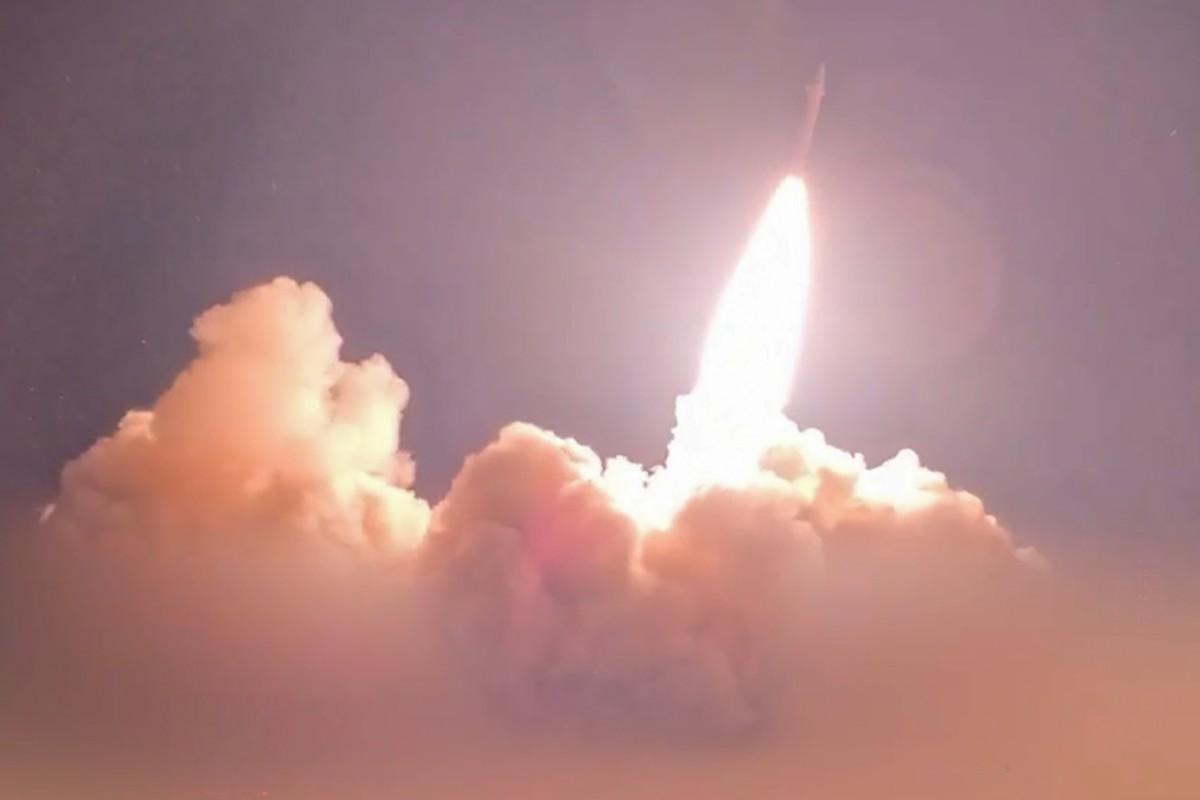
Jordanian air defenses intercepted and destroyed five ballistic missiles launched from Iran early Thursday morning, according to Jordan’s state-run Petra news agency.
The regional defensive action occurred just hours after the United States military announced the completion of a two-hour "heavy wave of strikes" against dozens of Islamic Revolutionary Guard Corps (IRGC) targets across Iran, launched in retaliation for an Iranian missile strike on a US base hosting American troops in Jordan.
Key Statements and Focus Area
- Defensive Interceptions Over Jordan: Military officials in Amman confirmed successful countermeasures against incoming ordnance. The spokesman for Jordan's armed forces stated that "no casualties were reported from Jordan’s interception of the missiles."
- US Retaliatory Directive: Speaking from Washington following the missile attack on American forces, US President Donald Trump vowed to hit Iran "very hard," adding in subsequent remarks, "In the meantime, we're going to be hitting them very hard because it's our turn to hit them."
- Targeting IRGC Infrastructure: US Central Command (CENTCOM) detailed the scope of its overnight offensive in a public statement, confirming that American assets "struck 'dozens' of targets belonging to Iran's Revolutionary Guard Corps (IRGC), including military command centers as well as missile and drone facilities, and coastal surveillance and defense sites."
Jordan Down Five Iranian Missiles Overnight
Jordanian military units successfully neutralized five Iranian missiles flying through the country's airspace early Thursday morning. State media confirmed that the interception resulted in no deaths or injuries on the ground. The attempt by Tehran came directly after US and allied air forces targeted strategic IRGC infrastructure.
US CENTCOM Executes Heavy Airstrikes Inside Iran
Over a two-hour operational window, US military forces bombarded several strategic coastal and inland installations belonging to the IRGC. Iranian state media acknowledged that the strikes inflicted injuries on two individuals on Qeshm Island in the Strait of Hormuz, with powerful explosions also reported in Khuzestan province to the northwest. The US offensive followed joint American and Saudi air operations against Iran-backed militia compounds in neighboring Iraq earlier in the week.
Drone Strikes Target Energy Infrastructure in Egypt
In a parallel escalation expanding the conflict's maritime perimeter, maritime security firm Ambrey reported that drone strikes ignited fires on two natural gas vessels anchored at the Egyptian port of Damietta. The strikes damaged a US-owned floating storage facility and a Greek-owned tanker, though no crew casualties were reported. While no group immediately claimed responsibility, the incidents mark a significant extension of threats to Mediterranean energy shipping.
FYI
The flare-up on multiple fronts shatters a brief, fragile pause in the five-month regional conflict that began in late February 2026 following the assassination of Supreme Leader Ayatollah Ali Khamenei. The breakdown of a short-lived ceasefire over shipping disputes in the Strait of Hormuz has sent global crude prices surging over 7% to above $88 a barrel, underscoring the conflict's mounting toll on world energy markets. As military exchanges widen to include territory in Jordan, Iraq, and maritime assets in Egypt, US military planners face increasing pressure regarding the drawdown of sophisticated air defense and precision-guided missile stockpiles needed to protect allied personnel across the Middle East.
Dive Deeper: Handpicked Stories for You
Follow Channel8 for continuous updates:
https://channel8.com/english/news/62579
30/07/2026