Pakistan Urges US and Iran to Resume Peace Negotiations
At a Glance
- Pakistan works to revive US-Iran talks under Islamabad Memorandum of Understanding.
- Mediators confirm talks focus on Strait of Hormuz and regional de-escalation.
- Mediation efforts have not yet produced tangible results toward a ceasefire.
- Push follows new US airstrikes on dozens of Iranian targets.
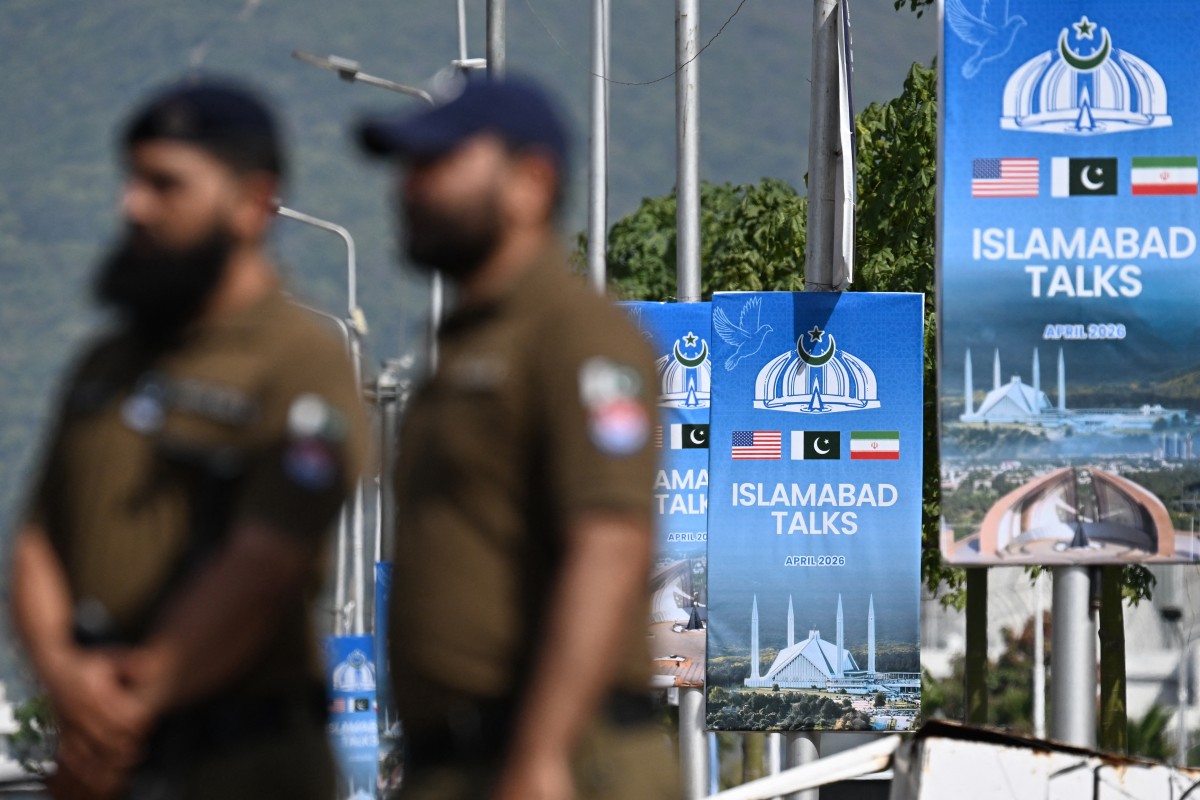
Pakistan announced Thursday that it is making diplomatic efforts to bring the United States and Iran back to the negotiating table under a signed Memorandum of Understanding (MoU) aimed at ending their ongoing military conflict.
Foreign Ministry spokesman Tahir Andrabi confirmed that technical discussions and mediation remain ongoing, particularly regarding security in the Strait of Hormuz, even as a fresh wave of US airstrikes on Iranian infrastructure threatens to destabilize fragile diplomatic channels.
Key Statements and Focus Area
- Pakistani Mediation Commitments: Emphasizing Islamabad's neutral role as a signatory to the peace framework, Foreign Ministry spokesman Tahir Andrabi stated: "We are doing our utmost to bring all parties back to the Islamabad MoU... encouraging the countries to fully adhere to their commitments to hold technical talks."
- Focus on Regional Shipping and De-escalation: Outlining the core objectives of the diplomatic channel, Andrabi added that "negotiations between parties are ongoing, particularly on [the] Strait of Hormuz and to de-escalate" tensions across the region.
- Limited Immediate Progress: Evaluating the initial impact of diplomatic interventions, diplomatic sources noted that "mediation efforts have not yet produced tangible results toward halting the escalation between the US and Iran," though talks toward a formal ceasefire remain active.
Pakistan Pushes for Return to Islamabad Memorandum
Pakistan’s foreign ministry reaffirmed its commitment to facilitating talks between Washington and Tehran under the Islamabad MoU, a diplomatic framework designed to establish parameters for ending hostilities. Despite severe disruptions caused by fresh military exchanges across the Middle East, Pakistani officials confirmed that active communication channels are being maintained between both sides to prevent a total collapse of the peace process.
Negotiations Continue Amid Airstrikes and Escalation
The diplomatic push coincides with a two-hour military operation by the US military, which struck dozens of Islamic Revolutionary Guard Corps (IRGC) targets across Iran. US Central Command framed the bombardment as a direct response to an attempted Iranian missile strike targeting American forces stationed in the Middle East. While US President Donald Trump promised heavy military retaliation following the intercepted Iranian barrage, mediators continue working in parallel to establish ground rules for a temporary ceasefire.
Conflict Enters Sixth Month Across Multiple Fronts
The diplomatic intervention comes against the backdrop of a wider regional conflict that escalated sharply on February 28, following joint US-Israeli strikes on Iranian targets and subsequent Iranian retaliatory attacks across Israel and the Gulf states. With thousands killed and millions displaced across Iran, Lebanon, and the wider region, international mediators view the stabilization of maritime traffic through the Strait of Hormuz as an essential first step toward a broader cessation of hostilities.
FYI
Pakistan’s role as an intermediary reflects Islamabad's delicate balance between its long-standing strategic alignment with Washington, its diplomatic ties with neighboring Tehran, and its economic partnerships with Gulf nations. Because a prolonged blockade or conflict in the Strait of Hormuz threatens global oil supplies and directly impacts South Asian energy security, Pakistan has a vested interest in keeping both parties tethered to the Islamabad MoU. However, with both Washington and Tehran prioritizing military deterrence over immediate concessions, mediators face an uphill battle in converting preliminary technical discussions into a durable, enforceable ceasefire.
30/07/2026