Iraq Crackdown On Environmental Crimes Yields 45 Arrests
At a Glance
- Interior Ministry investigated 433 non-compliant projects in the first half of 2026.
- 45 individuals arrested for violating the Environmental Protection and Improvement Law.
- Actions focus on preventing soil, air, and water pollution and halting illicit wildlife trade.
- Enforcement comes as Iraq faces severe vulnerability to climate change and environmental degradation.
Iraqi security forces investigated 433 commercial and industrial projects and arrested 45 individuals for severe violations of environmental laws during the first half of 2026, according to a statement released by the Ministry of Interior.
Ministry spokesperson Mohammed Ali Hassoon confirmed that the targeted crackdown aims to curb widespread industrial pollution and combat the illegal trade in endangered species across the country's governorates.
Key Statements and Focus Area
- Ministry of Interior Declaration: "During the first half of 2026, security directives resulted in the investigation of 433 projects violating the Environmental Protection and Improvement Law, aimed directly at preventing the contamination of air, water, and soil while stopping trade in endangered species," stated Ministry Spokesperson Mohammed Ali Hassoon.
- Judicial Referrals: "All 45 suspects arrested for breaching environmental rules and procedures have had their case files referred to the courts, where judicial investigations remain ongoing to hand down appropriate legal penalties," confirmed official ministry statements.
- Judicial Enforcement Alignment: "Activating legal provisions under Law No. 27 of 2009 is essential to holding heads of institutions and project operators accountable for removing pollution sources and compensating for environmental damage," noted judicial directives supporting the enforcement drive.
Direct Action Against Industrial Non-Compliance
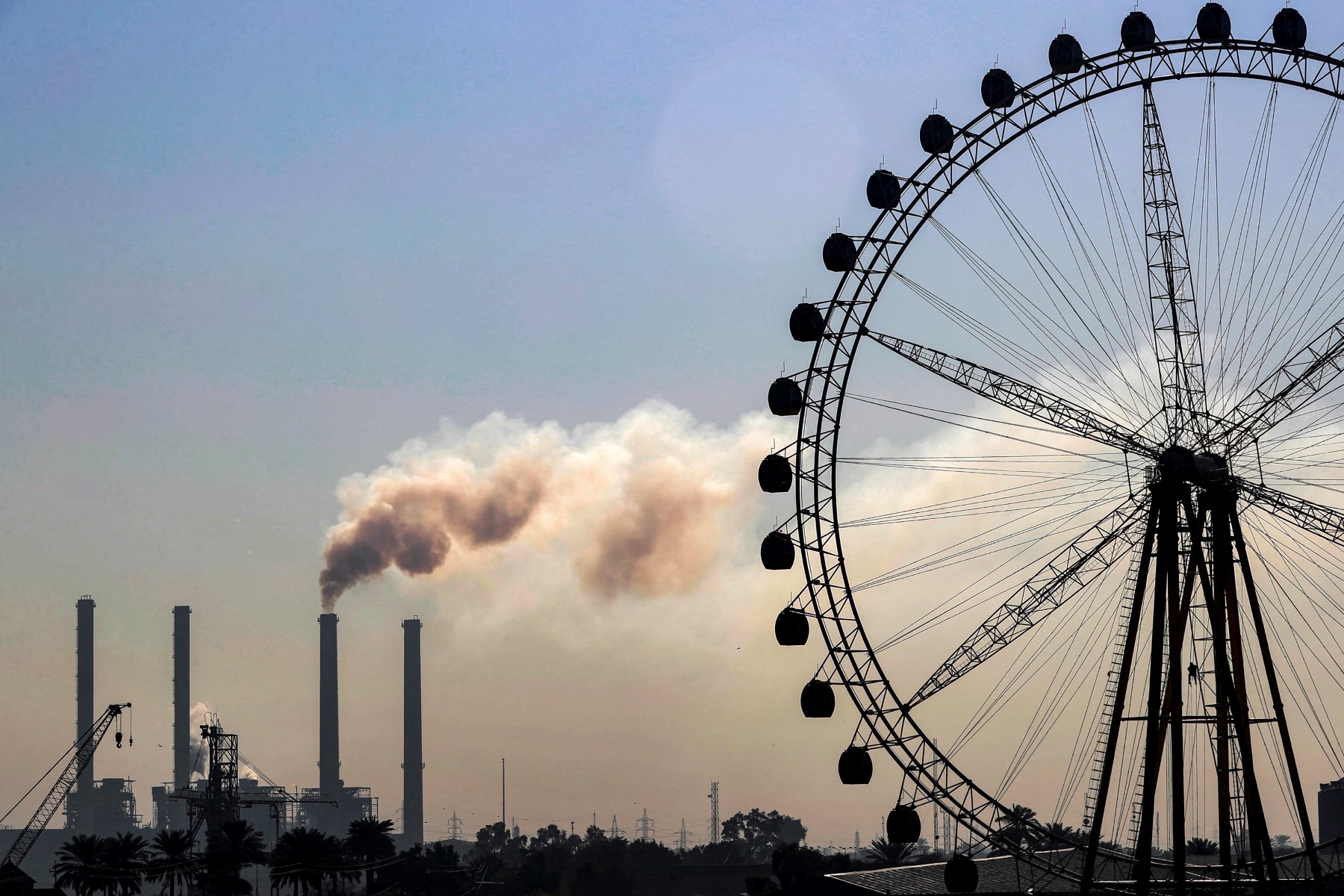
The Ministry of Interior's enforcement campaign focused heavily on auditing industrial, agricultural, and commercial facilities operating without required environmental permits or failing to manage toxic waste output. Security units inspected hundreds of non-compliant sites to prevent untreated effluents and emissions from polluting regional waterways, agricultural land, and urban air basins. Enforcement teams also intercepted networks involved in the illegal trafficking and sale of protected wildlife species, forwarding detailed evidence to prosecutors.
Legal Procedures and Judicial Referrals
Following the arrests, authorities formally transferred the cases of the 45 detained individuals to specialized environmental courts. Judicial authorities are evaluating individual files under Article 32 of Environmental Protection and Improvement Law No. 27 of 2009. The ongoing legal proceedings aim to establish formal criminal liability, enforce mandatory cleanup measures, and impose statutory fines and custodial sentences on convicted operators.
FYI
The Ministry of Interior's strict enforcement drive comes at a critical juncture, as the United Nations ranks Iraq among the five countries most vulnerable to the impacts of global climate change. Chronic drought, soaring temperatures, declining flows in the Tigris and Euphrates rivers, and recurring dust storms have severely depleted the nation's natural resource base. In response, Iraq's judicial leadership and Ministry of Environment have activated joint accountability frameworks to prosecute both private and public sector polluters. By prosecuting environmental crimes and enforcing the National Strategy for Environmental Protection, authorities seek to safeguard public health, preserve fragile ecosystems, and mitigate ecological degradation across affected regions
05/08/2026