Ailing 22-Year-Old Kurdish Patient Seeks Overseas Cancer Treatment
At a Glance
- Avin Hassan Omar, 22, suffers from Xeroderma Pigmentosum, an extreme genetic sun-sensitivity disorder.
- Inability to repair UV damage led to aggressive facial skin cancers and corneal loss.
- Hiwa Hospital oncologists state sunlight exposure is rapidly driving malignant growth toward her eyes.
- Repeated attempts to access specialized overseas care failed due to visa rejections and financial fraud.
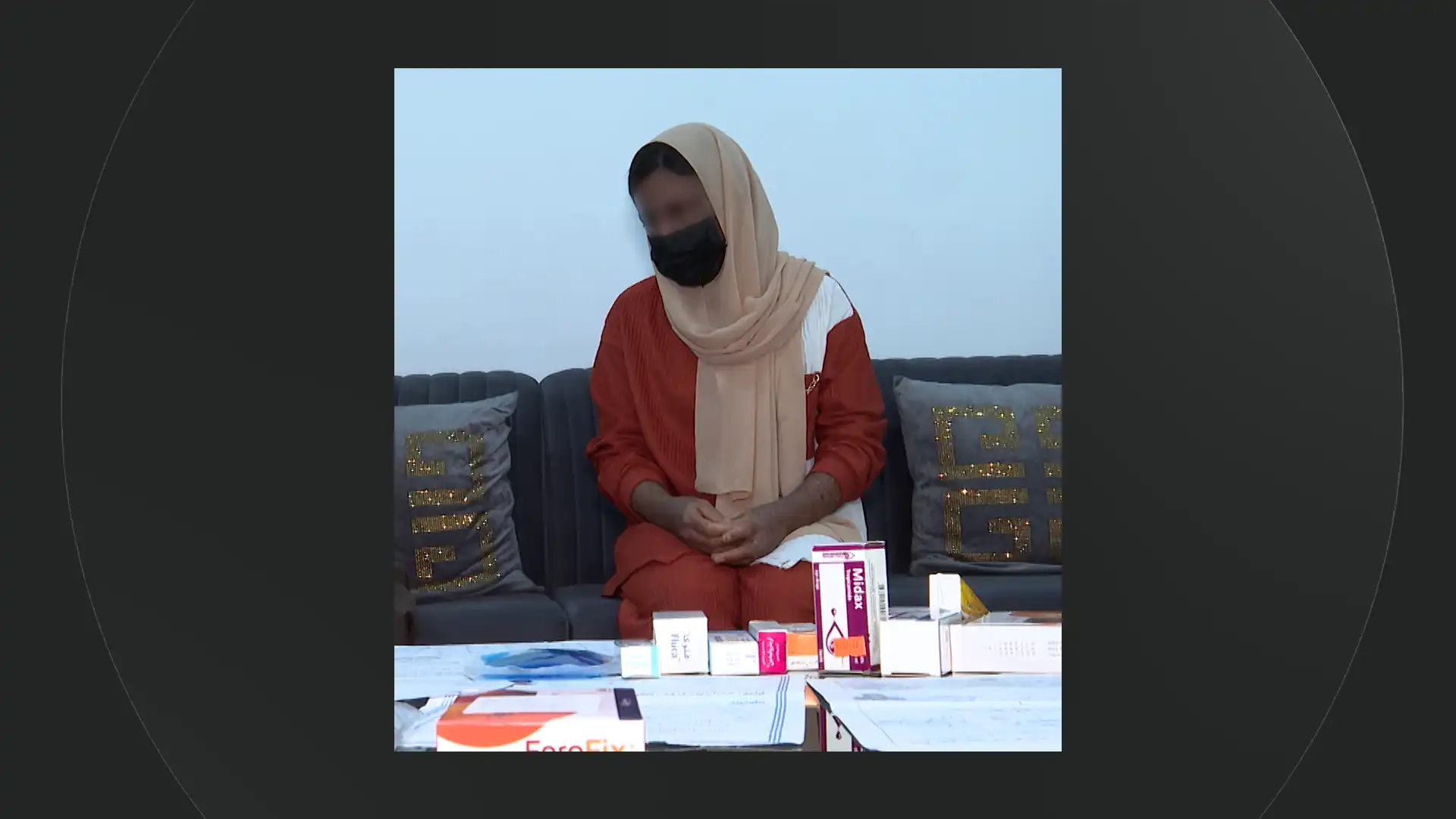
A 22-year-old woman suffering from Xeroderma Pigmentosum (XP), a rare inherited genetic disorder characterized by extreme sensitivity to ultraviolet radiation, is issuing an urgent appeal for international medical aid as aggressive skin cancers threaten her vision and life.
Doctors at Slemani’s Hiwa Hospital warned Avin Hassan Omar that Iraq's harsh climate and daily sunlight exposure are rapidly accelerating her condition, making specialized treatment outside the country her only viable chance of survival.
Key Statements and Focus Area
- Patient Medical Account: "Doctors explained that I inherited this condition before birth, and over time it progressed into skin cancer across my face; despite undergoing eyelid reconstruction and a corneal transplant in Tehran, the malignancies have returned," stated Avin Hassan Omar.
- Oncological Warning at Hiwa Hospital: "Medical specialists at Hiwa Hospital emphasized that direct exposure to sunlight severely damages my skin tissue and warned that without immediate specialized care abroad, the cancer will invade my eyes," explained Omar regarding her prognosis.
- Exploitation and Administrative Barriers: "A human smuggler abandoned us when I was ten, and recently an agency absconded with $6,000 raised by generous donors before disappearing, leaving my visa applications rejected twice in Erbil," revealed Avin Omar detailing her attempts to seek care overseas.
Genetic Defects and Ultraviolet Vulnerability
Xeroderma Pigmentosum (XP) is a severe autosomal recessive disorder caused by mutations in genes responsible for nucleotide excision repair (NER), preventing the body from repairing DNA damage caused by ultraviolet (UV) light. Patients with XP are thousands of times more susceptible to developing skin malignancies, including basal cell carcinomas, squamous cell carcinomas, and melanomas. For Omar, chronic UV exposure from simple outdoor daily tasks has severely damaged her facial skin barrier and ocular tissues, resulting in recurrent tumors that now threaten her recently transplanted cornea.
Environmental Hazards and Failed Overseas Relocation
Because individuals with XP lack fundamental biological defenses against UV radiation, clinicians at Hiwa Hospital stress that effective management requires continuous photoprotection, surgical excisions, and relocation to environments where UV exposure can be strictly controlled. However, administrative obstacles and criminal exploitation have repeatedly thwarted her efforts to seek foreign specialized care. In addition to a failed attempt via human smugglers during her childhood, Omar's family fell victim to a fraudulent agency that stole $6,000 in donated funds, resulting in formal visa rejections at consulate offices in Erbil.
FYI
Avin Hassan Omar's plight underscores the extreme difficulty of managing rare genodermatoses like Xeroderma Pigmentosum in high-UV regions like the Middle East, where inadequate UV-filtered housing, lack of specialized pediatric-to-adult transition clinics, and intense ambient sunlight create severe life-threatening conditions. While oncology centers like Hiwa Hospital manage tumor resections, advanced interventions, such as specialized dermatologic surgery, oral retinoid chemoprevention protocols, and specialized gene-therapy trials, are largely inaccessible in the region. Her situation highlights the critical need for formal humanitarian medical corridors that protect vulnerable rare-disease patients from predatory brokers and facilitate direct access to specialized international research hospitals.