Two Rare Quadruplet Births Recorded in Erbil and Kirkuk
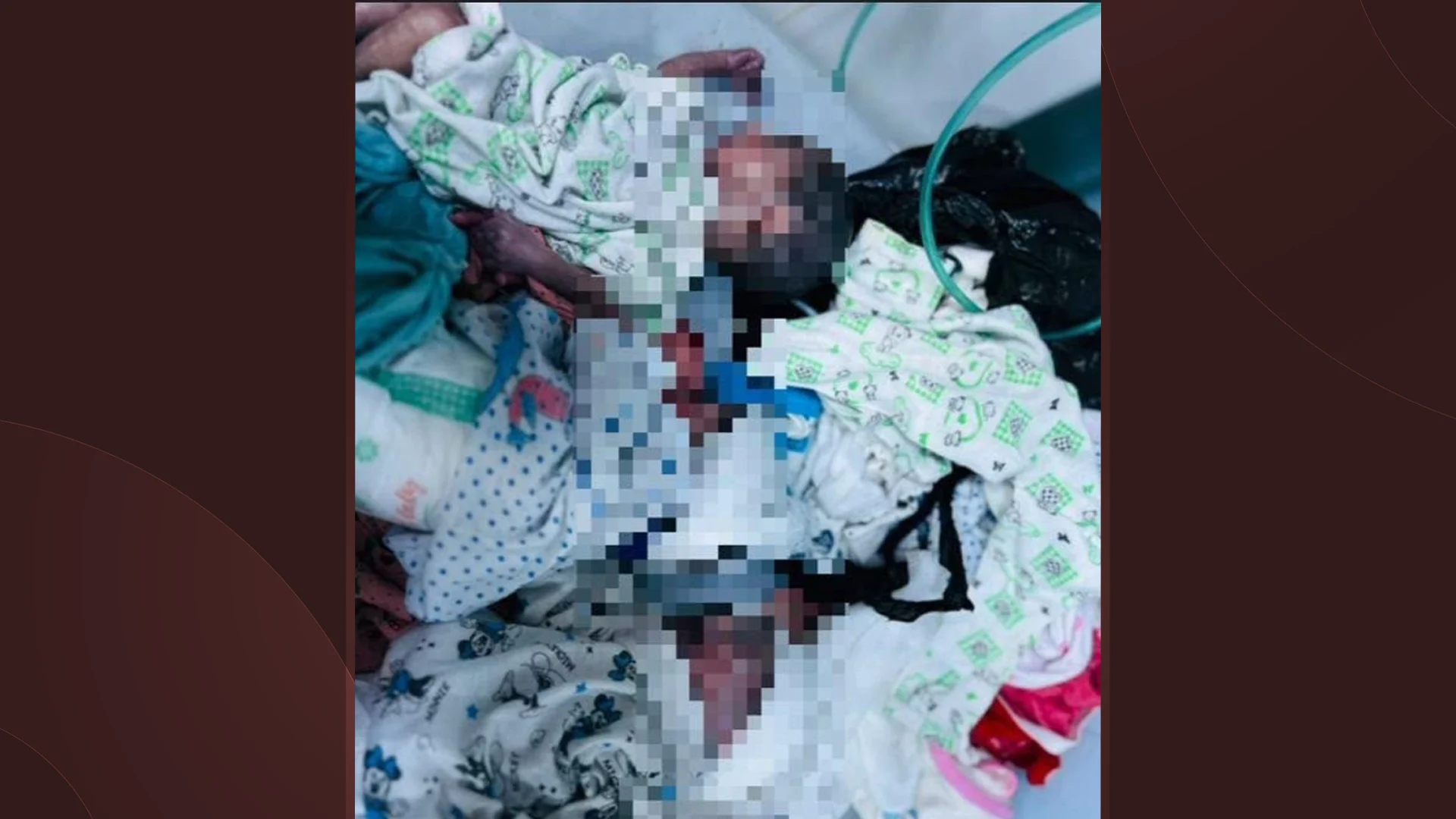
At a Glance
- Medical facilities in Erbil and Kirkuk recorded two separate quadruplet births within 72 hours.
- A mother at Hawija Town Hospital delivered four infants via natural childbirth.
- A mother at Erbil Maternity Hospital delivered two girls and two boys.
- Quadruplets sharing a single placenta occur in approximately one out of every 15 million births.
Medical facilities in the Kurdistan Region recorded two distinct cases of quadruplets within a three-day span, as healthcare teams at Hawija Town Hospital and Erbil Maternity Hospital successfully managed the rare deliveries.
Key Statements and Focus Area
- Hawija Delivery Protocol: Medical officers at Hawija Town Hospital confirmed that the mother gave birth naturally, noting that "the mother and her four newborns were placed under strict medical observation" to manage potential post-natal risks.
- Erbil Gender Breakdown: Clinical staff at Erbil Maternity Hospital confirmed that the local birth resulted in a balanced split, delivering "two girls and two boys" who were immediately admitted for routine post-delivery care.
- Rarity of Single-Placenta Cases: Medical experts emphasize the statistical rarity of identical higher-order multiples, noting that while multi-egg quadruplets occur once in hundreds of thousands of pregnancies, single-egg quadruplets sharing one placenta occur in "only one out of every 15 million pregnancies."
Natural Delivery Managed at Hawija Town Hospital
At Hawija Town Hospital, located in the Kirkuk Governorate, a mother delivered four babies through natural childbirth without surgical intervention. Due to the high risk of complications associated with higher-order multiple births, medical staff immediately admitted both the mother and all four infants to specialized wards under strict, continuous monitoring. Details regarding the mother's age and the specific genders of the newborns have not yet been released by hospital administrators.
Balanced Quadruplet Birth at Erbil Maternity Hospital
The Hawija delivery follows a similar case recorded just two days prior at the Erbil Maternity Hospital. In the Erbil instance, medical teams delivered two female and two male infants. Both mother and children were transitioned to specialized care to undergo routine health assessments and neonatal monitoring following the high-risk delivery.
Statistical Rarity and Medical Management Requirements
Scientific research classifies spontaneous quadruplet pregnancies as exceptionally rare medical phenomena. Fraternal quadruplets, resulting from multiple fertilized eggs with separate placentas, occur in roughly 1 in 500,000 to 1 in 700,000 pregnancies. Identical quadruplets, which occur when a single fertilized egg divides into four distinct embryos sharing a single placenta, represent an extreme anomaly occurring in approximately 1 in 15 million births. Due to heightened risks of premature birth and low birth weight, newborns from quadruplet pregnancies require immediate access to neonatal intensive care units (NICUs).
FYI
The occurrence of two quadruplet births within three days highlights both the physiological complexity of higher-order multiple pregnancies and the operational demands placed on regional healthcare infrastructure. In Iraq, similar rare multiple births have occasionally been documented in major medical hubs, including cases reported by hospitals in Mosul and Duhok. Because higher-order multiple pregnancies carry significant risks, including preterm labor, low birth weight, and respiratory distress, specialized centers like the Erbil Maternity Hospital rely on specialized neonatal intensive care units (NICUs), specialized intravenous nutrition, and surfactant therapy to ensure long-term infant survival.
06/08/2026