Iran Sets Conditions for Strait of Hormuz Reopening
At a Glance
- Tehran demands compensation for war damage
- Hormuz negotiations with Oman near final stages
- Attacks on vessels continue in strait
- UAE and Oman condemn maritime incidents
Iran has set several conditions for reopening the Strait of Hormuz, including compensation for wartime damage, lifting sanctions, releasing frozen assets, and ending what Tehran describes as aggression against Iran and its allies.
Key Statements and Focus Area
- Abbas Araghchi: Talks with Oman on transit and management of Hormuz are "approaching the final stages."
- Revolutionary Guards: reopening the strait "has nothing to do with the negotiations between Iran and Oman."
- UAE: We condemn the "hostile Iranian attack" on an ADNOC tanker.
- Oman: negotiations over navigation arrangements were progressing in a "positive and constructive atmosphere."
- Tehran is seeking an end to the war, sanctions, naval blockade, and compensation for wartime damage.
Iran has imposed conditions for reopening the Strait of Hormuz, complicating efforts to reach an agreement over the strategically important waterway.
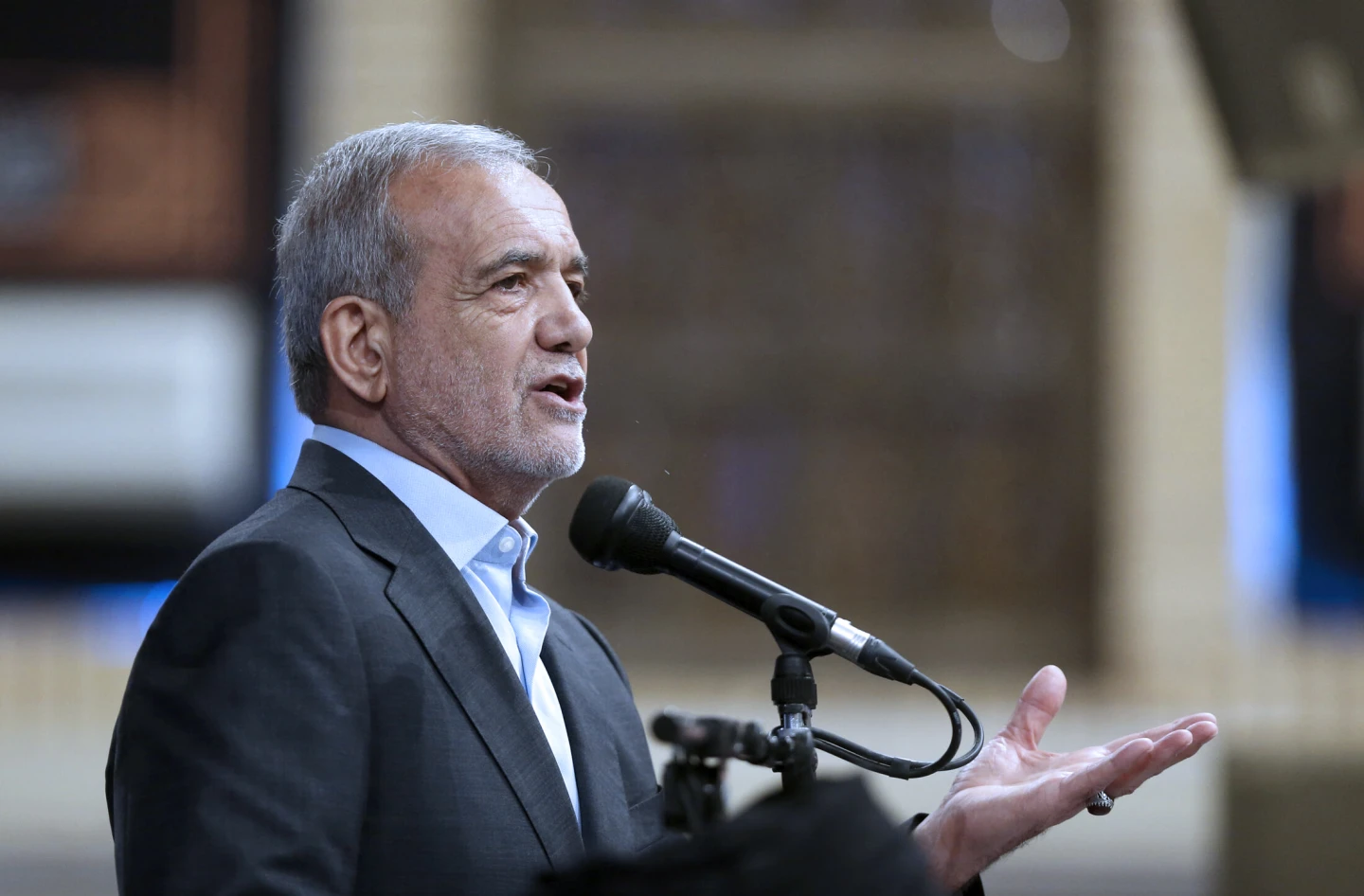
Iranian Foreign Minister Abbas Araghchi said discussions with Oman on transit and management arrangements were "approaching the final stages."
However, he said reopening the strait would depend on additional conditions, including compensation for what Iran described as violations of a June agreement.
Iran has effectively restricted transit through Hormuz since the United States and Israel launched strikes against Iran in late February. Tehran has also sought to impose tolls on vessels using the waterway and has targeted ships it accuses of attempting to bypass its preferred route.
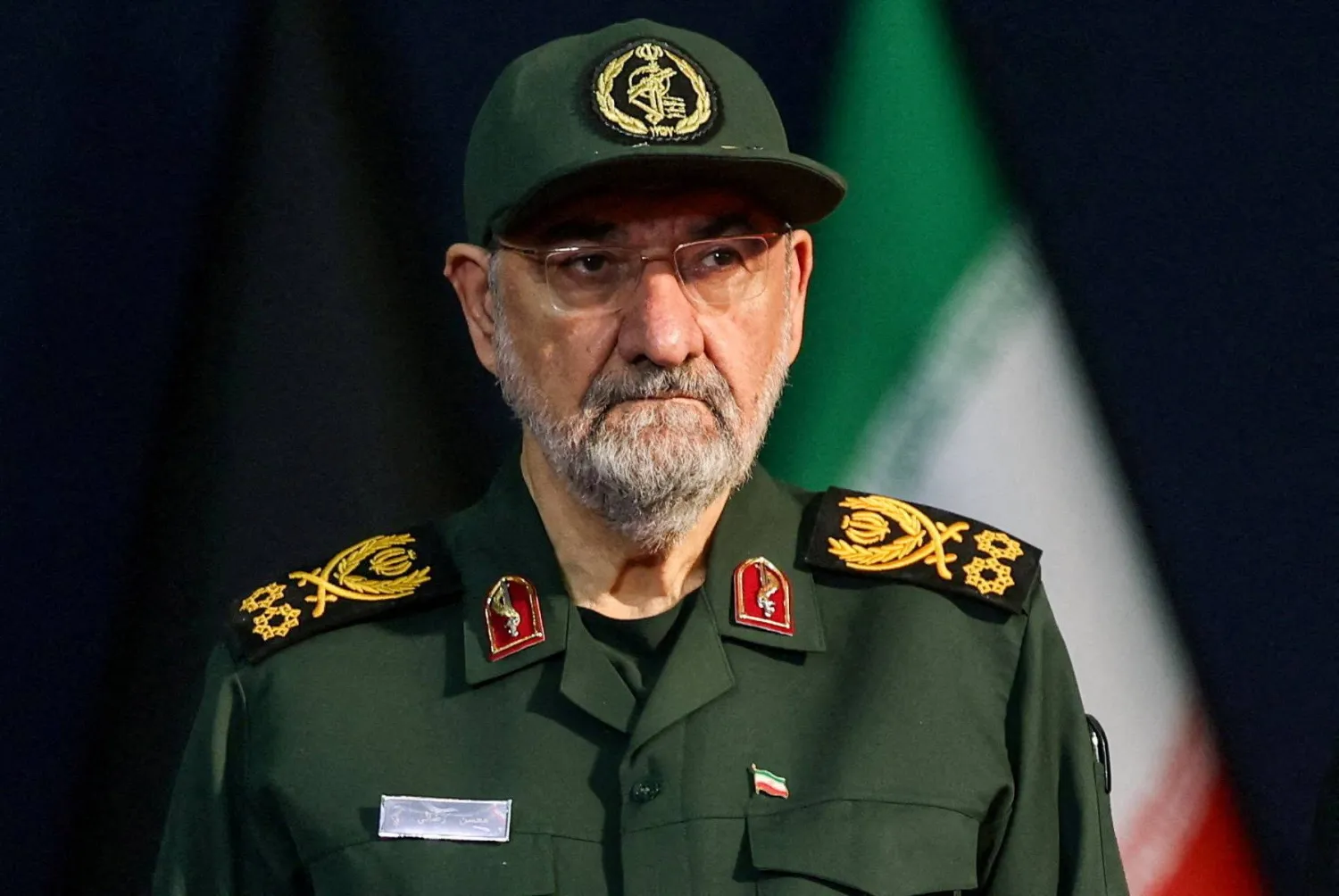
Iranian security chief Mohammad Bagher Zolghadr outlined several conditions for reopening the strait.
The demands include an end to what Tehran calls the "war and aggression" against Iran and its allies in Lebanon, Palestine, Yemen, and Iraq, as well as the lifting of a parallel US naval blockade.
Iran is also seeking an end to sanctions, the release of frozen Iranian assets, and compensation for wartime damage, according to remarks reported by Tasnim.
Iran's Revolutionary Guards separately said the reopening of Hormuz was unrelated to negotiations between Iran and Oman, stating that the "enemy is forced to accept Iran's conditions for the opening of the strait."
Transit through the Strait of Hormuz has fallen significantly amid continued attacks on vessels that Iran accuses of using routes outside its preferred passage.
The UAE Foreign Ministry on Saturday condemned what it described as a "hostile Iranian attack" on an ADNOC tanker that was struck by a missile while transiting Hormuz. No casualties were reported.
Later on Saturday, the United Kingdom Maritime Trade Operations (UKMTO) said a vessel was hit by a projectile off Oman in the Strait of Hormuz. The incident caused a fire that was later extinguished, with no casualties reported.
It was not immediately clear whether the UKMTO incident involved the same vessel referenced by the UAE.
ADNOC said Friday that 15 of its vessels had been attacked in Hormuz since the beginning of the war, including three during the current week.
Oman's Foreign Ministry condemned what it described as "repeated attacks on vessels transiting the Strait of Hormuz" without identifying Iran as responsible.
The ministry said negotiations over navigation arrangements were continuing in a "positive and constructive atmosphere" and urged all parties to avoid actions that could undermine the process.
The previous Iran-US agreement, which was intended to serve as a starting point for negotiations toward a permanent settlement, stated that Iran and Oman would discuss future arrangements for the strait with other Gulf states and in accordance with applicable international law.
International law generally prohibits the imposition of tolls on vessels transiting such international waterways.
Separately, Turkish Foreign Minister Hakan Fidan said he expects Egypt to join a joint defense agreement involving Turkey, Saudi Arabia, and Pakistan.
Fidan described Egypt as a "natural partner on all issues" and said he expects Cairo to become part of the alliance at a later stage.
The comments follow a drone attack on US assets at an Egyptian Mediterranean port last month, the first reported drone attack on Egyptian territory since the outbreak of the Iran war.
Fidan said the agreement was not directed against any particular country and that no common threat had been formally identified.
Pakistan's Foreign Ministry said Friday that the agreement establishes that an attack on one member would be regarded as an attack on all, describing it as a framework intended to strengthen collective deterrence.
FYI
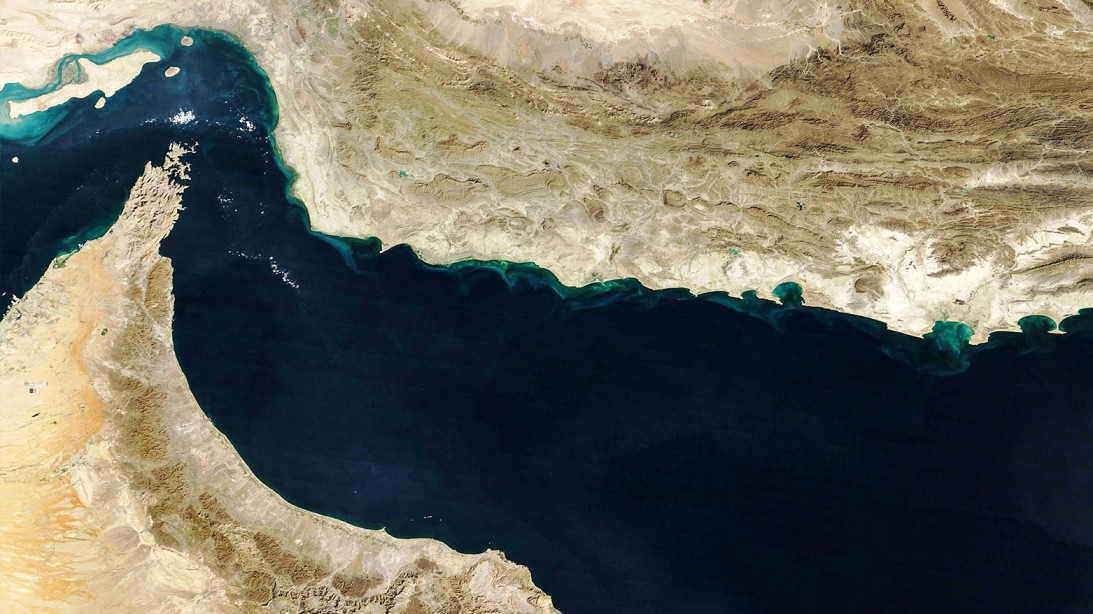
The Strait of Hormuz remains a critical global energy corridor, linking the Persian Gulf with international shipping routes. The latest diplomatic efforts involving Iran and Oman are focused on establishing future navigation arrangements, but continued attacks on vessels and Tehran's demands for sanctions relief, compensation, and security guarantees are complicating efforts to restore normal maritime traffic.
Dive Deeper: Handpicked Stories for You
Follow Channel8 for continuous updates:
Oman Praises Hormuz Talks While Condemning Shipping Strikes
Fidan Compares Mecca Pact to NATO Article 5 Collective Defense
![Irani’s Araghchi, left, meets with Pakistan’s Munir in Islamabad, Pakistan, in April 2026 [File: Iranian Foreign Ministry/AP Photo]](https://media.channel8.com/english/wp-content/uploads/2026/05/AP26115285212508-1777383639.webp)
.jpg)