Syria Reclaims Tartous Port Berth Previously Controlled by Russia
At a Glance
- Syria regains control of Pier No. 4 at Tartous port previously operated by Russian military forces.
- First civilian shipments of wheat and cement arrive following a historic bilateral agreement.
- Russian forces begin packing up and vacating commercial infrastructure across the pier.
- Deal converts Russian bases at Tartous and Hmeimim into joint training facilities within three months.
Syria has officially resumed civilian operations at a strategic commercial pier inside Tartous port previously controlled by Russian forces, taking delivery of its first shipments of wheat and cement materials following a landmark bilateral agreement with Moscow. The operational handover comes as Russian troops began packing up equipment and clearing out of the facility, marking a major turning point in the realignment of foreign military footprints following the 2024 fall of the Assad regime.
Key Statements and Focus Area
- Resumption of Commercial Port Operations: "We began operating berth 4 yesterday after taking it over from the Operations Department. Work commenced immediately with the reception of two vessels in succession," stated Youssef Arnous, head of Tartous port’s operations and investment department.
- Bilateral Defense and Administrative Realignment: "The agreement marks an important step aimed at further improving bilateral cooperation in the military sphere," stated the Russian Foreign Ministry, while Syrian authorities confirmed the deal gradually integrates civilian infrastructure into the country's national administration.
- Future Military Footprint: "Military facilities will be repurposed as joint training and qualification centers under new arrangements that preserve the interests of both sides," the Syrian Foreign Ministry confirmed regarding the future of the bases.
Operation Handover at Tartous Port
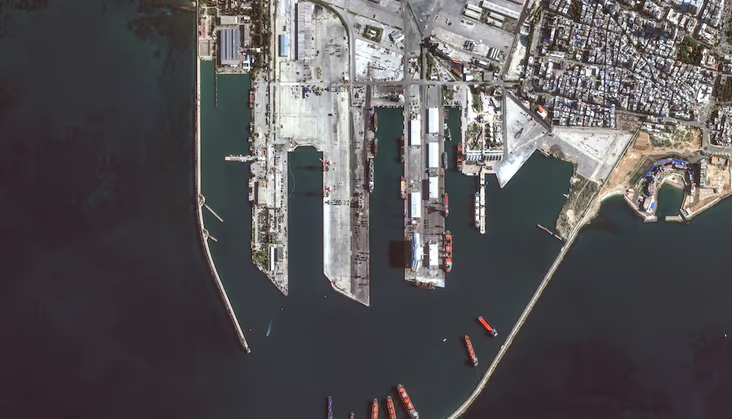
Commercial activity resumed at Berth 4 of the Tartous port on Tuesday after Syrian authorities formally assumed control of the facility from Russian military operators. Port official Youssef Arnous confirmed that two bulk cargo vessels carrying wheat and cement materials docked back-to-back immediately following the transfer. Located opposite dedicated storage yards, the specific pier can accommodate up to three vessels simultaneously, significantly reducing anchorage waiting times for incoming merchant ships. Ship-tracking data from LSEG indicated that both vessels arrived via Turkish maritime routes.
Russian Forces Relocate Operations
On-site observations at Tartous on Wednesday showed Russian military personnel actively clearing out of administrative buildings adjacent to the pier and transferring equipment to secondary military compounds nearby. Under the newly established framework, Syrian authorities assume direct control over Pier No. 4 and its surrounding warehouses, effectively dismantling the exclusive Russian operational zone outside the primary naval base. While Russian forces are vacating civilian zones, a reduced military contingency will remain in Syria to staff joint defense infrastructure.
Restructuring Hmeimim and Tartous Agreements
The operational transfer follows 18 months of intense diplomatic negotiations between Moscow and Syria's transitional leadership. The resulting memorandum of understanding establishes a maximum three-month transition window to wind down standalone foreign military administration. Beyond the commercial berths at Tartous, the Syrian government will also take over management of Latakia's Hmeimim Airport, restoring civil aviation authority oversight while converting existing air and naval base facilities into shared training and qualification centers.
FYI
The status of Russia's primary Middle Eastern outposts, the Tartous naval hub and Hmeimim airbase, entered prolonged uncertainty after former Syrian President Bashar al-Assad was ousted in late 2024. Since 1971, the Tartous facility served as Moscow’s sole repair and replenishment hub in the Mediterranean, functioning as a vital staging post to project power across Southern Europe and support Russian security operations in Africa. The new administrative agreement reflects Syria's post-Assad geopolitical realignment, as Damascus balances renewed commercial partnerships with regional neighbors while scaling back decades of unchecked foreign military control over its sovereign transit hubs.
Dive Deeper: Handpicked Stories for You
Follow Channel8 for continuous updates:
Turkey and Russia Reaffirm Commitment to Syria’s Stability and Territorial Unity in Moscow Talks
.jpg)