Badr Organization Warns al-Zaidi Against Forced Disarmament
At a Glance
- Badr rejects forced weapons collection
- Warns of possible internal unrest
- Calls for consensus with armed groups
- Sets three conditions for disarmament
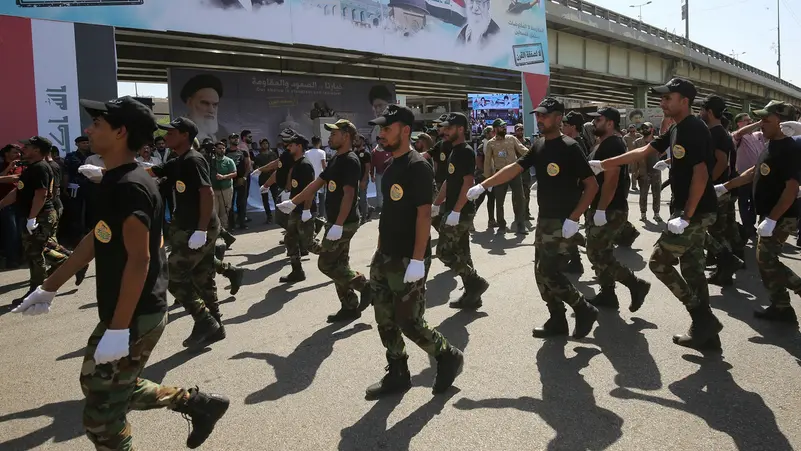
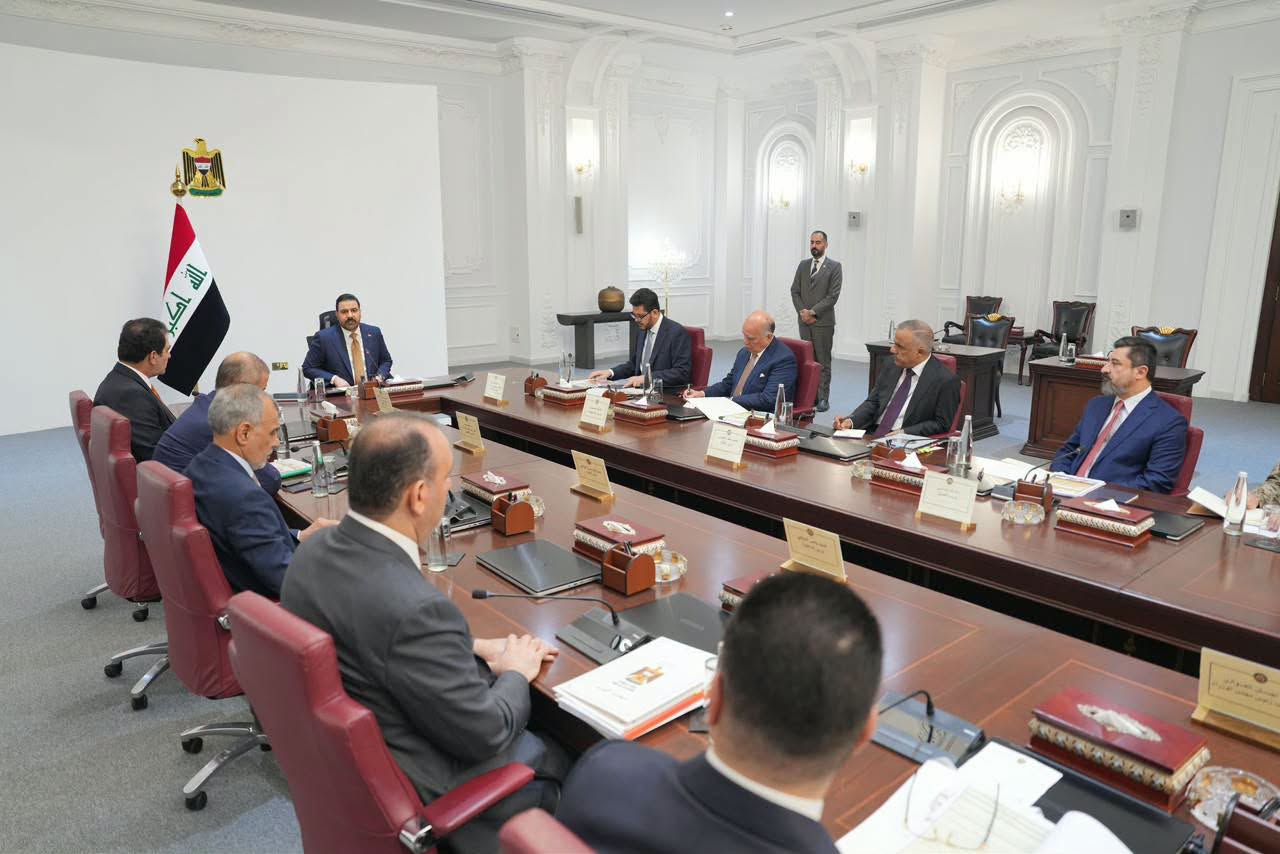
The Badr Organization has warned Prime Minister Ali al-Zaidi against using force to bring regional armed groups under state control, calling for a peaceful and consensus-based process.
Key Statements and Focus Area
- Mohammed Naji Mohammed: Using force to collect weapons would cross a “major red line” and risk triggering internal civil strife.
- Badr Organization: “The resistance is not a substitute for the state, nor is the state a substitute for the resistance.”
- Weapons file: Badr says any move to centralize weapons must be peaceful and based on full consensus with resistance groups.
- Three conditions: Badr calls for a complete U.S. withdrawal, removal of strategic threats, and stronger national armed forces, particularly air defenses.
The Badr Organization has cautioned Prime Minister Ali Faleh al-Zaidi against using force to disarm armed groups, warning that such a move could lead to domestic instability and conflict.
Mohammed Naji Mohammed, head of the organization’s Political Bureau, said Iraq is operating within a complex regional and international environment and must protect its territorial integrity and national security interests.
He accused al-Zaidi of moving too quickly on the weapons issue and warned against prioritizing U.S. demands over what Badr described as Iraq’s national interests.
Badr linked the weapons issue to the planned withdrawal of U.S. forces from Iraq, which it said Washington has connected to the consolidation of state control over weapons.
The organization expressed concern that the prime minister is seeking to meet U.S. demands before a complete withdrawal has been guaranteed.
Badr warned that using force against armed groups could create internal conflict and said such an outcome would primarily serve the interests of the United States and Israel.
The organization said the “resistance” should not replace the state, while the state should not seek to eliminate the resistance.
It called for any process to centralize weapons to proceed peacefully and with full agreement among the armed groups involved.
Mohammed Naji Mohammed identified three conditions that Badr considers necessary before moving forward with the weapons issue:
- All American forces must leave Iraq.
- Active threats to Iraq’s sovereignty and national security must be eliminated.
- Iraq’s official armed forces must be comprehensively developed, particularly its air defense capabilities.
FYI
Prime Minister Ali Faleh al-Zaidi’s administration has set September 30, 2026, as the deadline for bringing all independent weapons under state control. Several major paramilitary groups, including Saraya al-Salam, Asaib Ahl al-Haq, and Kataib al-Imam Ali, have agreed to comply with the directive and are surrendering their heavy weapons.
The groups that have accepted the measure are transferring their arsenals into the state-regulated Popular Mobilization Forces (PMF) framework under the direct supervision of the Prime Minister. However, factions including Kataib Hezbollah and Harakat al-Nujaba continue to reject the mandate, maintaining that their weapons are necessary to protect Iraq’s sovereignty.
Dive Deeper: Handpicked Stories for You
Follow Channel8 for continuous updates:
Iraqi MP Details Prime Minister’s Plan for Arms Control
Iraq MP Says Restricting Weapons to State Control Unlikely to Meet September Deadline
Iraq Vows Legal Monopoly on Weapons, Reassures Employee Salary