CENTCOM Chief Visits USS Lincoln Amid Prolonged Deployment
At a Glance
- Cooper visits USS Lincoln in the Arabian Sea
- Carrier has spent over 240 days at sea
- Deployment raises crew welfare concerns
- US-Iran talks remain stalled
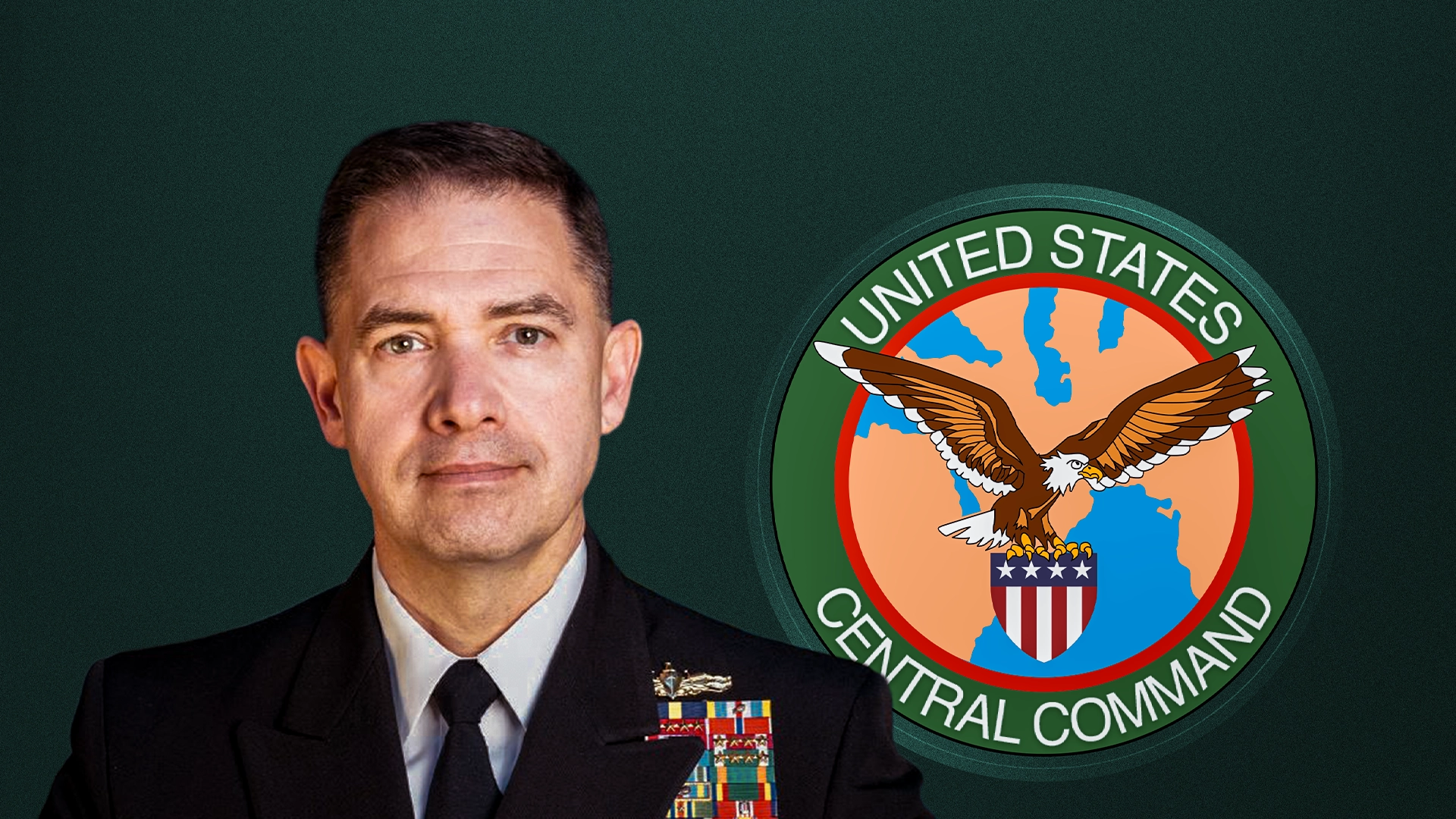
US Central Command chief Adm. Cooper has visited the USS Lincoln in the Arabian Sea as the aircraft carrier continues an extended deployment linked to the conflict with Iran.
Key Statements and Focus Area
- Adm. Cooper: “History will record this deployment as one of the most operationally intense and consequential of the modern era.”
- Extended deployment: The USS Lincoln has spent more than 240 consecutive days at sea.
- Strait of Hormuz: Iran remains engaged with Oman over arrangements for the strategic waterway.
Adm. Cooper, commander of US Central Command, visited the USS Lincoln in the Arabian Sea during a regional trip that also took him to Bahrain, Iraq, Israel, Jordan, Saudi Arabia, and the United Arab Emirates.
The visit comes as the carrier continues one of its longest deployments. The USS Lincoln arrived in the Middle East in January and has been supporting US military operations against Iran, including the blockade of Iranian ports.
The Lincoln strike group has remained continuously at sea for more than 240 days, marking a record-setting period of uninterrupted operations.
Aircraft carriers can carry more than 5,000 sailors and Marines, and extended deployments have raised concerns over their impact on both military personnel and the vessels.
Reports have also highlighted mental health and supply issues aboard the long-deployed carrier.
In a statement released Saturday, Cooper described the deployment as exceptionally demanding.
“History will record this deployment as one of the most operationally intense and consequential of the modern era,” he said.
The US Navy's blockade followed Iran's assertion of control over the Strait of Hormuz after the war began on February 28 with US and Israeli strikes.
Before the conflict, roughly one-fifth of the world's traded oil and natural gas passed through the waterway at the entrance to the Persian Gulf.
Diplomatic efforts between Washington and Tehran have stalled, while Iran is holding discussions with Oman over arrangements for the Strait of Hormuz.
The waterway runs between Iran and Oman and had previously been regarded as an international waterway.
FYI
The Strait of Hormuz remains one of the world's most strategically important energy corridors, connecting the Persian Gulf with global markets. Disruptions to the waterway can affect the movement of oil and natural gas and have broader implications for international energy supplies.
The USS Lincoln's prolonged deployment comes as US military operations in the region continue and diplomatic efforts involving Iran and Oman focus on the future management of the strait.
Dive Deeper: Handpicked Stories for You
Follow Channel8 for continuous updates:
Trump Vows to Declare Hormuz US Territory
![Irani’s Araghchi, left, meets with Pakistan’s Munir in Islamabad, Pakistan, in April 2026 [File: Iranian Foreign Ministry/AP Photo]](https://media.channel8.com/english/wp-content/uploads/2026/05/AP26115285212508-1777383639.webp)
.jpg)