Iraq arrests 21 in 87-million Dinar refinery extortion sting
At a Glance
- The Integrity Commission dismantled an extortion network near the
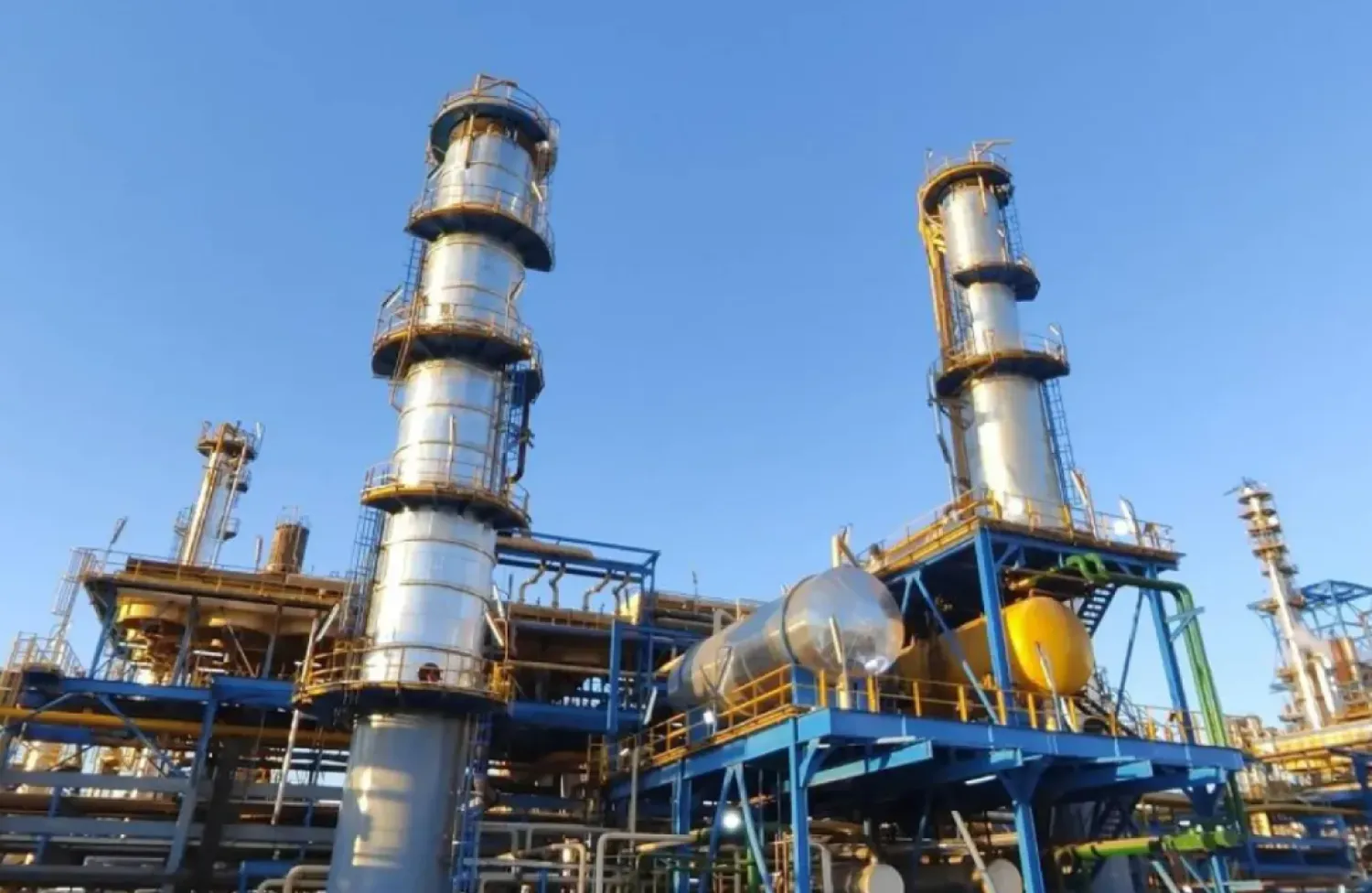
- Baiji oil refinery in Saladin, Iraq. Photo: AFP
- .
- Authorities detained 21 suspects managing the illegal tanker parking lots.
- Officers confiscated 87 million Dinars along with falsified stamps and logs.
- The group blocked refinery access, forcing drivers to pay unauthorized cash fees.
Iraq's Federal Integrity Commission has dismantled an illegal fund-collection network near two oil refineries in Saladin, arresting 21 suspects and seizing over 87 million Iraqi Dinars.
Key Statement and Focus Area
- The Federal Integrity Commission said that “after receiving information regarding the existence of parking lots used for tanker staging and the collection of funds from their owners, two task forces were formed from the Commission’s investigation office in Saladin to conduct field inquiries and surveillance.”
- The commission noted that the operations also resulted in the seizure of over 87 million Dinars, alongside stamps, logs, and receipt booklets used in the illegal collections.
The Federal Integrity Commission said in a statement on Tuesday that two enforcement operations resulted in the arrest of 21 defendants for managing tanker parking lots near the Baiji and Siniyah refineries and illegally collecting financial sums from their owners without obtaining official approvals.
The commission confirmed that site visits to relevant government departments verified that no official contracts had been signed for the lands utilized as parking lots.
Investigations revealed the group collected unauthorized fees from each tanker and blocked entry to the refinery if drivers refused to pay.
Following tightly coordinated ambushes at the illegal parking lots in Baiji and Siniyah, authorities arrested 21 defendants responsible for managing the sites.
The defendants and seized evidence were transferred to the Saladin Investigation Court along with formal seizure reports.
The specialized integrity judge subsequently ordered the suspects' detention under Decree No. 154 of 2001.
FYI
The Baiji Oil Refinery complex, located in Iraq's north-central Saladin Governorate, is the largest oil refinery in the country, processing a massive portion of Iraq's domestic fuel. Because thousands of fuel tankers arrive weekly to transport gasoline and diesel from Baiji and the neighboring secondary Siniyah Refinery, managing truck traffic and staging lines is a highly lucrative sector.
Due to the high volume of daily shipments, criminal networks frequently target these energy corridors by setting up unauthorized checkpoints, extortion schemes, and counterfeit gate-pass scams.
By exploiting public lands near the refineries without state leases, these groups create artificial bottlenecks—effectively forcing drivers to pay cash bribes just to enter the state-run facilities.
To combat this institutional leak, Iraq's Federal Integrity Commission has intensified its anti-corruption operations, launching targeted sting operations under Decree No. 154 of 2001, a strict legal code specifically designed to penalize the illegal exploitation of state properties and public lands.