Mount Azmar Wildfire Brought Under Control After Two Hours
At a Glance
- The fire was controlled within two hours
- More than 100 dunams burned
- Landmines hampered firefighting efforts
- One volunteer sustained minor injuries
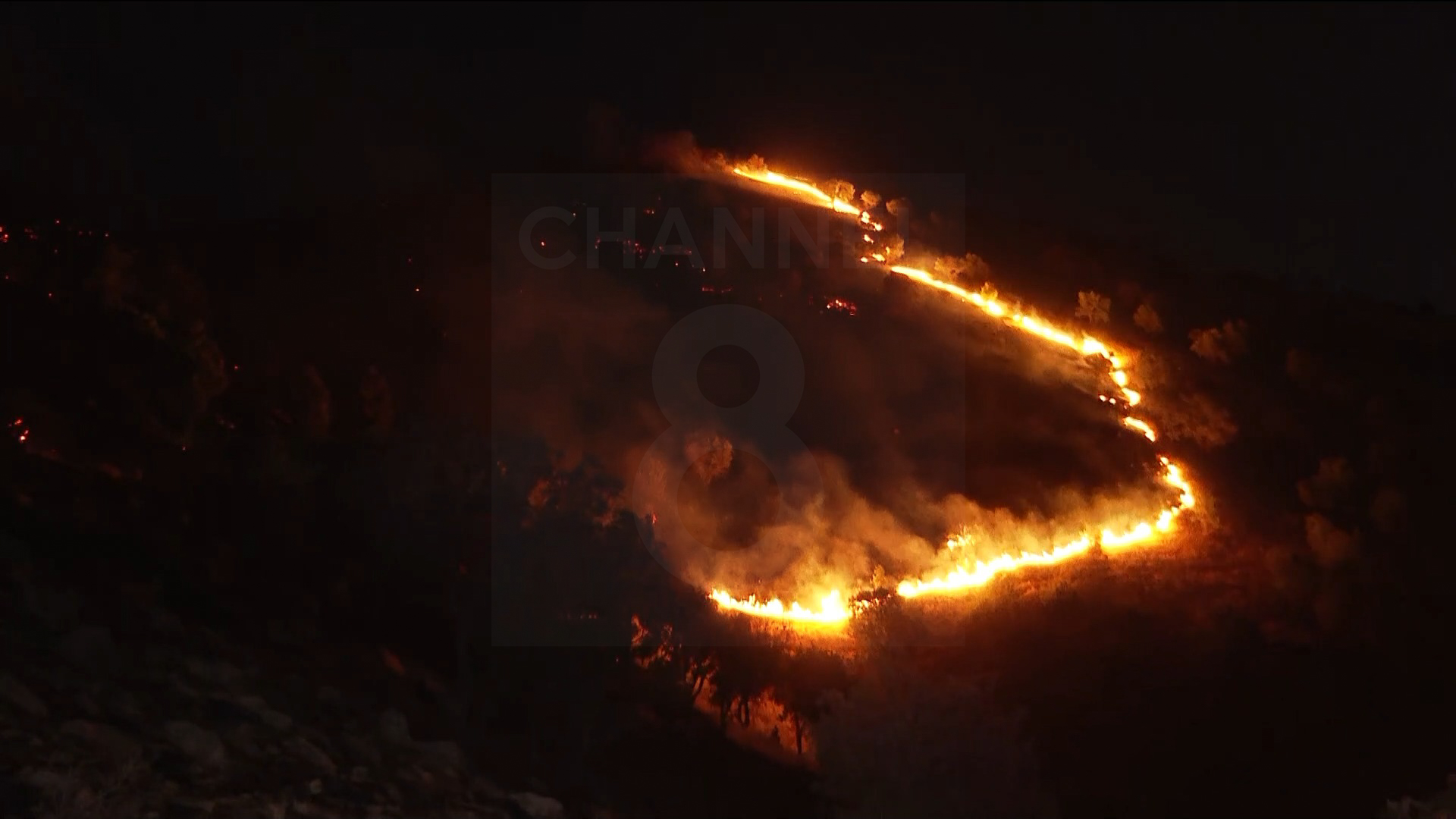
A major wildfire on Mount Azmar erupted last night and was brought under control after firefighting teams and volunteers battled the flames under difficult conditions.
Key Statements and Focus Area
- Farhad Salih, Sharbazher District Mayor: “An electrical short circuit from a snapped power line” caused the fire. Active landmine fields significantly complicated and slowed the response.
- Fazil Omar, Slemani District Mayor: The fire has been brought under control, but teams remain at the site to prevent it from restarting.
The fire broke out near Khamza and Qularash villages on Mount Azmar at around 10:10 PM.
Initial estimates indicate that more than 100 dunams of grassland, brush, and natural mountain forest were destroyed.
Sulaymaniyah Civil Defense Directorate released a statement saying that strong, dry winds were rapidly spreading the fire through dry grass and brush, while teams continued efforts to contain it despite the risks.
Firefighting efforts were slowed by the presence of active landmine fields in the affected areas.
Teams had to wait for flames to pass through known minefields before entering those areas, limiting access to parts of the fire zone.
The blaze was brought under control at around 12:20 AM, roughly two hours after it began.
Ten teams from the Slemani, Sitak, and Sharbazher Civil Defense units, alongside Forest Police and Emergency Response forces, participated in the operation.
One volunteer firefighter from the Sitek team sustained minor injuries during the operation. The volunteer is reported to be in stable condition.
FYI
The heavy contamination of landmines in the Slemani's Sharbazher area, which holds roughly 60% of all minefields in the Kurdistan Region, is the tragic legacy of decades of military conflict spanning from the 1960s up to the 1991 Kurdish Uprising.
The vast majority of these explosive hazards were planted by the Iraqi military during the 1980–1988 Iran-Iraq War to establish defensive border walls across strategic mountainous zones like Sharbazher and Penjwen.
Today, roughly 82 square kilometers of land in the province remain actively contaminated, resulting in over 13,500 historical casualties across the region, while continuing to restrict safe farming, block tourism development, and dangerously delay modern emergency responses like firefighting operations.
Dive Deeper: Handpicked Stories for You
Follow Channel8 for continuous updates:
Slemani Fires Cause Over Seven Billion Dinars in Losses, Environment Directorate Warns
.jpg)

.webp)