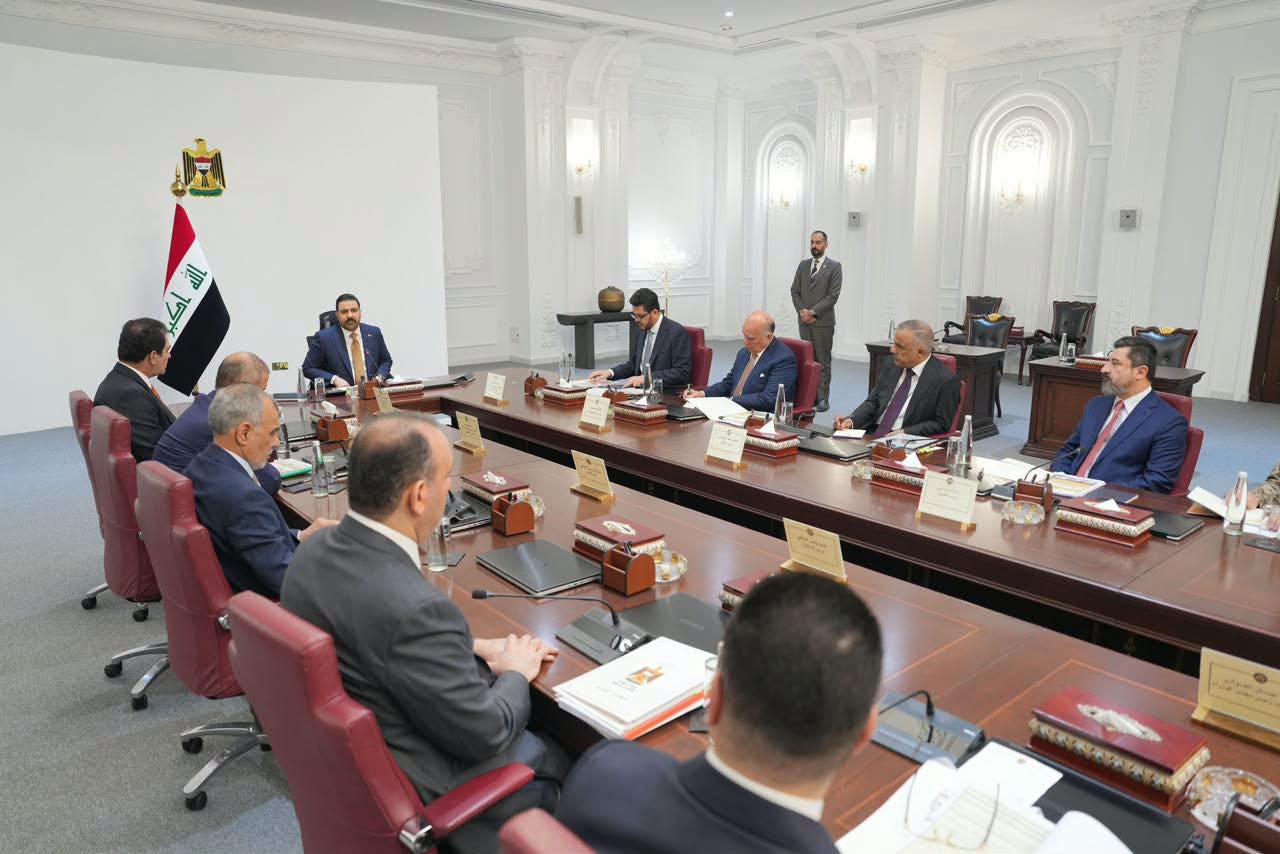
Iraq Government to Submit Revised PMF Bill to Parliament
At a Glance
- PMF bill to parliament.
- Stalled over retirement limits.
- Grants financial independence.
- Aids state weapon centralization.
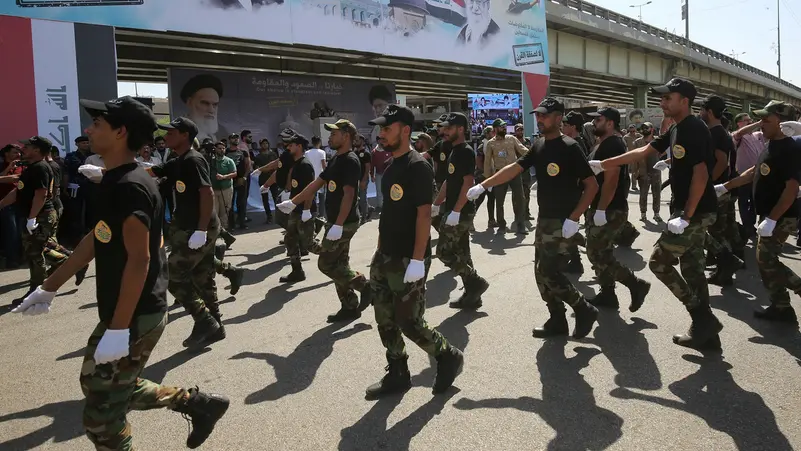
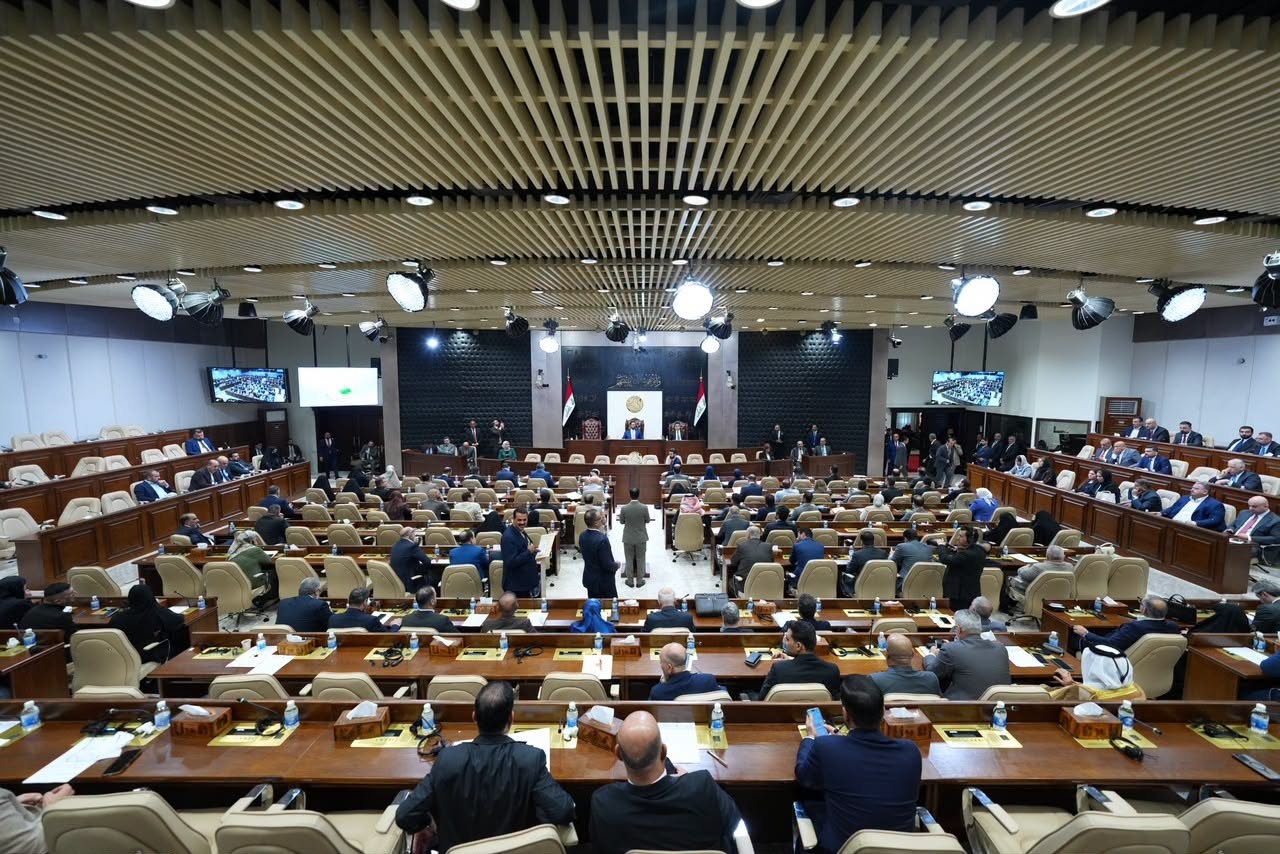
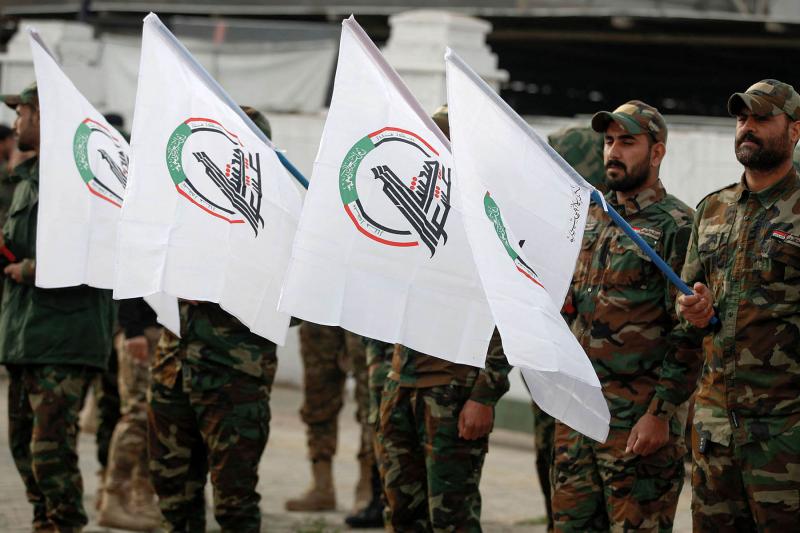
The Iraqi government under Prime Minister Ali al-Zaidi is preparing to submit a newly revised Popular Mobilization Forces (PMF) draft bill to parliament, breaking a political deadlock as part of a broader strategy to institutionalize security oversight and centralize state control over weaponry.
Key Statements and Focus Area
- Institutional Status: The proposed law establishes the PMF Authority as a distinct entity linked directly to the Commander-in-Chief, complete with financial autonomy and a dedicated specialized military academy.
- Leadership Criteria: Under the updated terms, the head of the PMF Authority will hold ministerial rank, sit on the Ministerial Council for National Security, and must possess a bachelor's degree alongside at least 10 years of military service.
- Clearing Hurdles: Lawmakers and parliamentary leaders noted that prior delays stemmed primarily from tenure extensions tied to current leadership that conflicted with standard retirement regulations.
- Strategic Intent: Government and parliamentary officials emphasize that advancing the bill from the executive branch is vital for safeguarding personnel rights while reinforcing state command over arms.
Legal Restructuring and Superseding Framework
The new draft bill is designed to comprehensively replace older legislation, specifically superseding previous frameworks. By defining explicit corporate structures, administrative hierarchies, and retirement paths, the legislation addresses long-standing organizational gaps. Supporters maintain that regularizing these elements provides legal clarity for combatants while bringing them into alignment with broader national defense regulations.
Political Objectives and Disarmament Goals
While the legislation formalizes the status of the PMF within the state's security framework, political leadership views it as a dual mechanism. By granting financial security and legal protection to fighters, the state aims to streamline the politically sensitive process of bringing independent armed factions under unified state authority.
FYI
This legislative movement occurs against a backdrop of intense domestic and international scrutiny including tracking by external stakeholders such as the United States regarding the balance of power within Iraq's security architecture. As Baghdad navigates complex demands over state sovereignty and armed group integration, advancing the PMF service law represents a pivotal effort to reconcile institutional demands with political realities on the ground.
Dive Deeper: Handpicked Stories for You
Follow Channel8 for continuous updates:
ISIS Attacks PMF Brigade Position in Tuz Khurmatu
PMF Brigade Assumes Security Control of Sector From Iraqi Army