Iran and Oman Discuss Temporary Strait Of Hormuz Corridor
At a Glance
- Iran and Oman have discussed a temporary navigational corridor through the Strait of Hormuz.
- The two countries also agreed to work on a joint mine-clearing project.
- Technical talks will continue on permanent navigation and future management of the waterway.
- The strait remains largely disrupted following the outbreak of war in February.
Iran and Oman are working on arrangements to restore and regulate navigation through the Strait of Hormuz as traffic remains largely disrupted.
Key Statements and Focus Area
- Temporary Navigation Framework: “Discussed a phased framework that could provide a practical and implementable basis for moving forward.” — Joint statement shared by Oman.
- Temporary Corridor: “Soon announce” the temporary corridor in the strait. — Omani Foreign Minister Badr Albusaidi.
- Permanent Navigation: “Permanent navigational corridor and future administration of the Strait, as well as a mechanism for information-sharing, traffic management, and the provision of relevant navigational and security services.” — Earlier Iran-Oman joint statement.
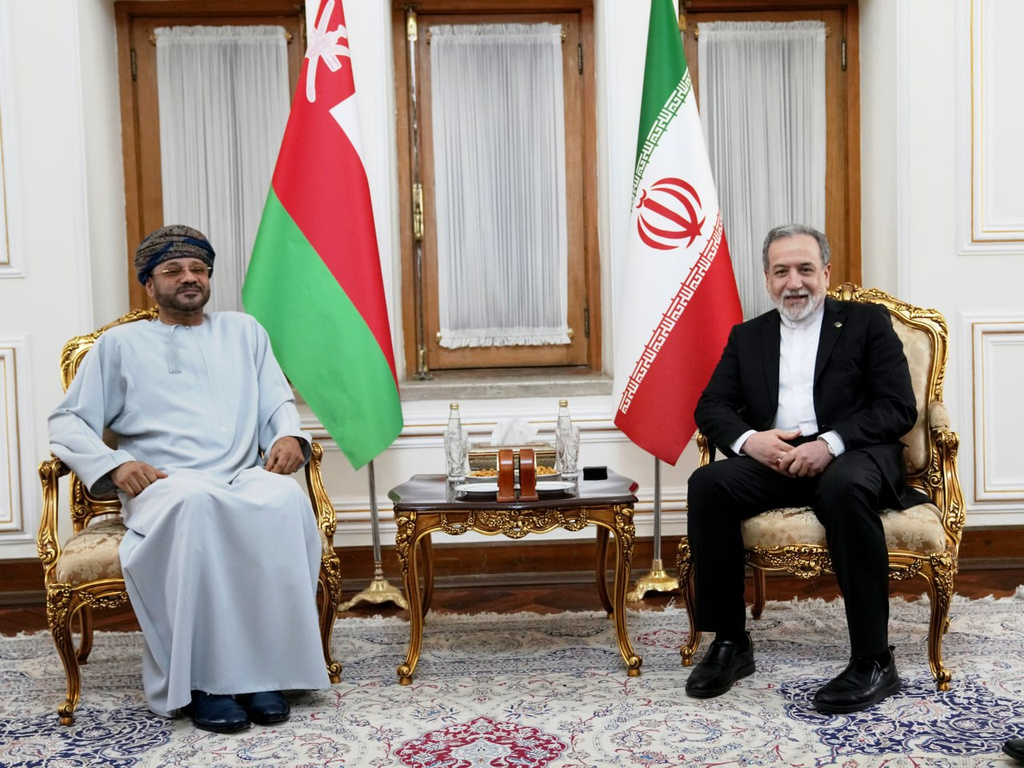
Omani Foreign Minister Badr Albusaidi and Iranian Foreign Minister Abbas Araghchi discussed the proposed framework during talks in Tehran on Tuesday.
The framework includes a temporary joint navigational corridor through the Strait of Hormuz and a joint project to clear mines from the waterway, according to a statement shared by Oman. Albusaidi said after the meeting that he hoped the temporary corridor would be announced soon. He added that discussions on the future management of the strait and a permanent solution would follow.
The two sides will continue technical negotiations on a permanent navigational corridor and the future administration of the Strait of Hormuz. The discussions will also address information-sharing, traffic management, and the provision of navigational and security services.
Iran and Oman said joint discussions with other states bordering the Gulf would also be important as arrangements for the waterway develop.
The Strait of Hormuz became a major flashpoint early in the Middle East war. Iran and Oman have since been working on a framework to regulate navigation, following provisions outlined in a June US-Iran memorandum of understanding.
The war began on February 28 after the United States and Israel attacked Iran. Tehran subsequently blockaded the Strait of Hormuz, while Washington imposed a naval counter-blockade on Iranian ports. Traffic through the waterway remains largely paralyzed, affecting global oil markets. The strait normally carries around one-fifth of global oil and liquefied natural gas exports.
Iran and Oman have held discussions for weeks over the future of navigation through the strait. Iranian officials have said the geographical coordinates for a proposed route have already been agreed upon. However, Tehran has maintained that the waterway will not fully reopen until the United States meets several demands, including lifting its naval blockade, removing oil sanctions, and unfreezing Iranian assets abroad.
The latest discussions came as US President Donald Trump said on Truth Social that all mines had been removed or detonated from international waters in the Strait of Hormuz, citing the US Navy. Trump also warned that any vessel placing new mines would be destroyed, saying a zero-tolerance policy on mine placement was in effect.
FYI
The Strait of Hormuz connects the Persian Gulf with the Gulf of Oman and the Arabian Sea, making it a critical route for international energy shipments. Its disruption has therefore created wider concerns for global oil and liquefied natural gas markets.
Iran and Oman are both coastal states on the waterway. Their ongoing talks focus on establishing safe navigation arrangements while broader negotiations continue over a permanent system for managing traffic through the strait.
Dive Deeper: Handpicked Stories for You
Trump Declares Strait of Hormuz Cleared of Naval Mines
![Irani’s Araghchi, left, meets with Pakistan’s Munir in Islamabad, Pakistan, in April 2026 [File: Iranian Foreign Ministry/AP Photo]](https://media.channel8.com/english/wp-content/uploads/2026/05/AP26115285212508-1777383639.webp)
.jpg)