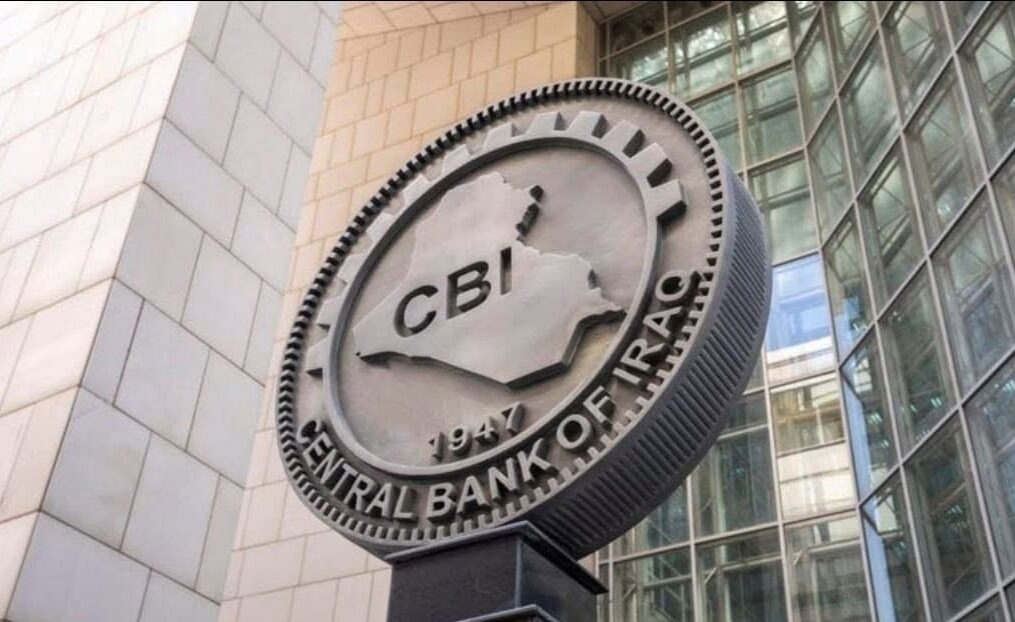
Central Bank of Iraq To Monitor Bank Accounts of Politicians and Officials
At a Glance
- The Central Bank of Iraq issued strict new directives on August 26 targeting the bank accounts of politicians and government officials.
- The regulations are designed to combat systemic corruption and illicit money laundering across national financial institutions.
- Banks are required to flag anomalous wealth, unverified foreign transfers to high-risk zones, and unexplained asset spikes during or after tenure.
- Compliance will be rigorously audited by central inspection teams and factored into institutional evaluations.
In an official directive issued on August 26, the Central Bank of Iraq instructed all commercial banks to enforce enhanced monitoring protocols on politically exposed persons and high-ranking government officials to curb financial crimes.
Key Monitoring Criteria
- Disproportionate Wealth: Flagging sudden inconsistencies between declared monthly salaries or state incomes and total accumulated assets.
- Unusual Transactions: Detecting high-value or irregular transactions executed during or immediately following an official's term in office.
- High-Risk Transfers: Scrutinizing capital movements routed to high-risk foreign countries or jurisdictions lacking clear economic justifications.
- Complex Structures: Identifying the use of third parties, shell companies, or intricate corporate vehicles to conceal ultimate beneficial ownership.
- Family Networks: Monitoring unexplained financial flows involving relatives, close associates, or negative intelligence reports regarding bribery and financial misconduct.
The Central Bank emphasized that all banking branches must immediately implement these guidelines and brief their staff accordingly. Inspection teams will actively evaluate institutional compliance, ensuring that failure to report unverified funds or suspicious asset shifts impacts overall bank performance ratings.
FYI
Politically Exposed Persons (PEPs) are individuals who have been entrusted with prominent public functions, such as senior politicians, judicial officials, or state executives. Because of their positions and influence, international financial watchdogs classify PEPs as higher-risk targets for money laundering and corruption, necessitating enhanced due diligence by commercial banks.
Dive Deeper: Handpicked Stories for You
Follow Channel8 for continuous updates:
Central Bank of Iraq Denies Printing New Redenominated Currency
Central Bank of Iraq Denies 'Currency Printing' Claims, Clarifies Deficit Financing Mechanisms
Central Bank of Iraq to End Cash Payments in All Institutions by July 2026
28/08/2026