CBI Names Custodian For Al-Taif Islamic Bank Amid Asset Concerns
At a Glance
- The Central Bank of Iraq placed Al-Taif Islamic Bank into receivership due to violations.
- Imad Mohammed Hamad has been appointed as the official custodian.
- Al-Taif Islamic Bank stated that its participants' rights are fully protected
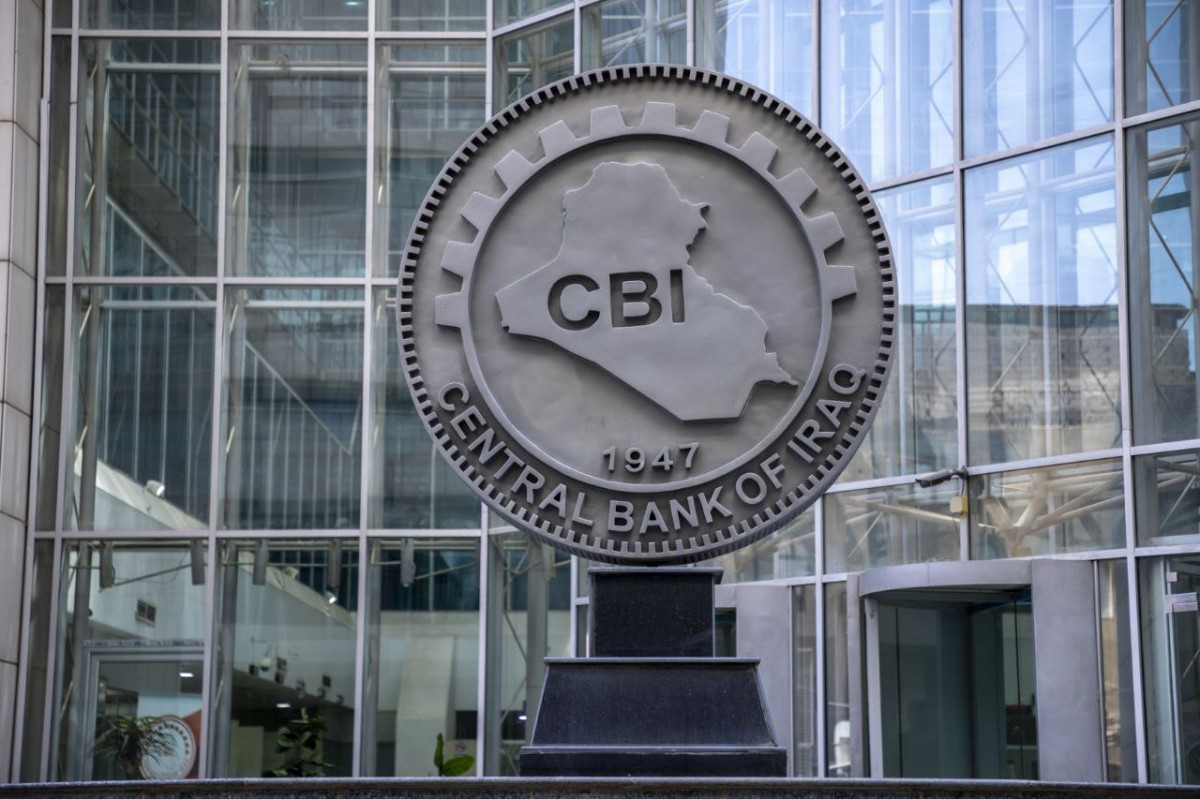
The Central Bank of Iraq has placed Al-Taif Islamic Bank for Investment and Finance into receivership and appointed a formal custodian, citing "proven significant violations" that threatened depositor funds.
Key Statement and Focus Area
- The Central Bank of Iraq stated in an official regulatory directive, “Appointing Mr. Imad Mohammed Hamad as the custodian (receiver) over the bank for a period of (18) months.”
- Al-Taif Islamic Bank stated that the rights of participants are protected, and the bank owns capital and fixed assets within Iraq.
According to a document obtained by Channel8, Nizar Nasser Hussein, Governor of the Central Bank of Iraq, issued a regulatory directive, imposing receivership on the bank, in accordance with the provisions of Article (59) of the Banking Law No. (94) of 2004.
The receivership is “due to proven significant violations that have impacted the bank's financial position and depositors' funds.”
Economist Nabil al-Marsoumi stated that the Central Bank's intervention at Al-Taif Islamic Bank has intensified the ongoing deficit of trust between citizens and the domestic banking sector.
He noted that this systemic lack of confidence contributes to approximately 100 trillion dinars, representing over 91 percent of Iraq's total circulating currency, remaining outside of formal financial institutions.
FYI
Al-Taif Islamic Bank for Investment and Finance is a private Iraqi bank operating in the field of investment and finance; it was initially established as a money transfer company and received its official banking license in 2018.
In 2023, the bank was sanctioned by the U.S. Department of the Treasury, which banned it from transacting in U.S. dollars.
The bank's headquarters is located in Baghdad Governorate, and it has several branches in other Iraqi governorates and the Kurdistan Region, such as Erbil and Slemani.
Dive Deeper: Handpicked Stories for You
Follow Channel8 for continuous updates:
Iraq Domestic Debt Surges Past 106 Trillion Dinars
Iraq Finance Committee and CBI Discuss Crisis Resolution Strategies
CBI Governor, U.S. Chargé d'Affaires Discuss Banking Reform and Economic Stability
.webp)