Iraqi Cabinet Completion Delayed Amid Severe Political Disputes
At a Glance:
- Deep disagreements between State of Law leader Nouri al-Maliki and Asa'ib Ahl al-Haq chief Qais al-Khazali continue to delay filling nine vacant cabinet portfolios.
- Khazali insists on nominating his brother, Laith al-Khazali, for a senior post, despite internal Coordination Framework opposition and a looming U.S. veto.
- Al-Maliki opposes expanding cabinet positions to four Deputy Prime Ministers, citing budget deficits and the risk of international financial sanctions.
- Confidence votes for remaining posts under Prime Minister Ali Zaidi are now expected to be pushed past late September following planned diplomatic trips to France and Germany.
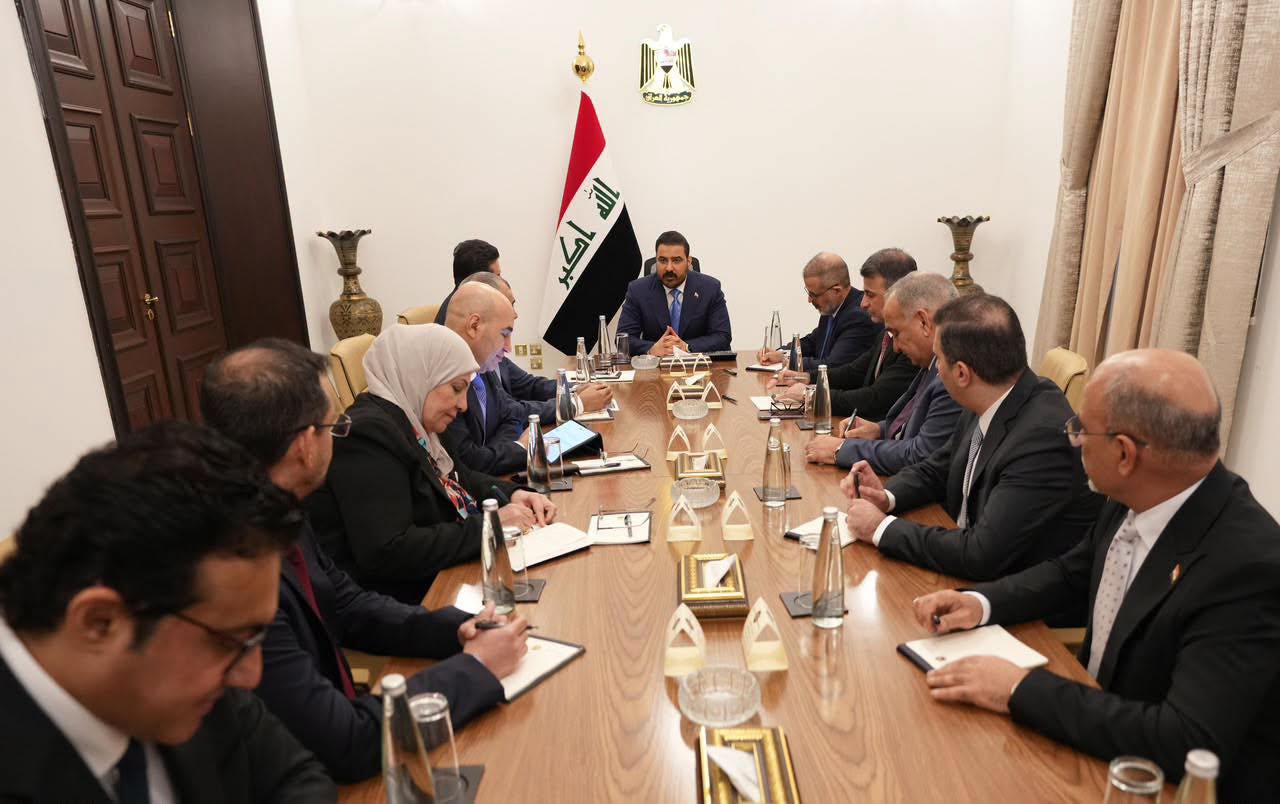
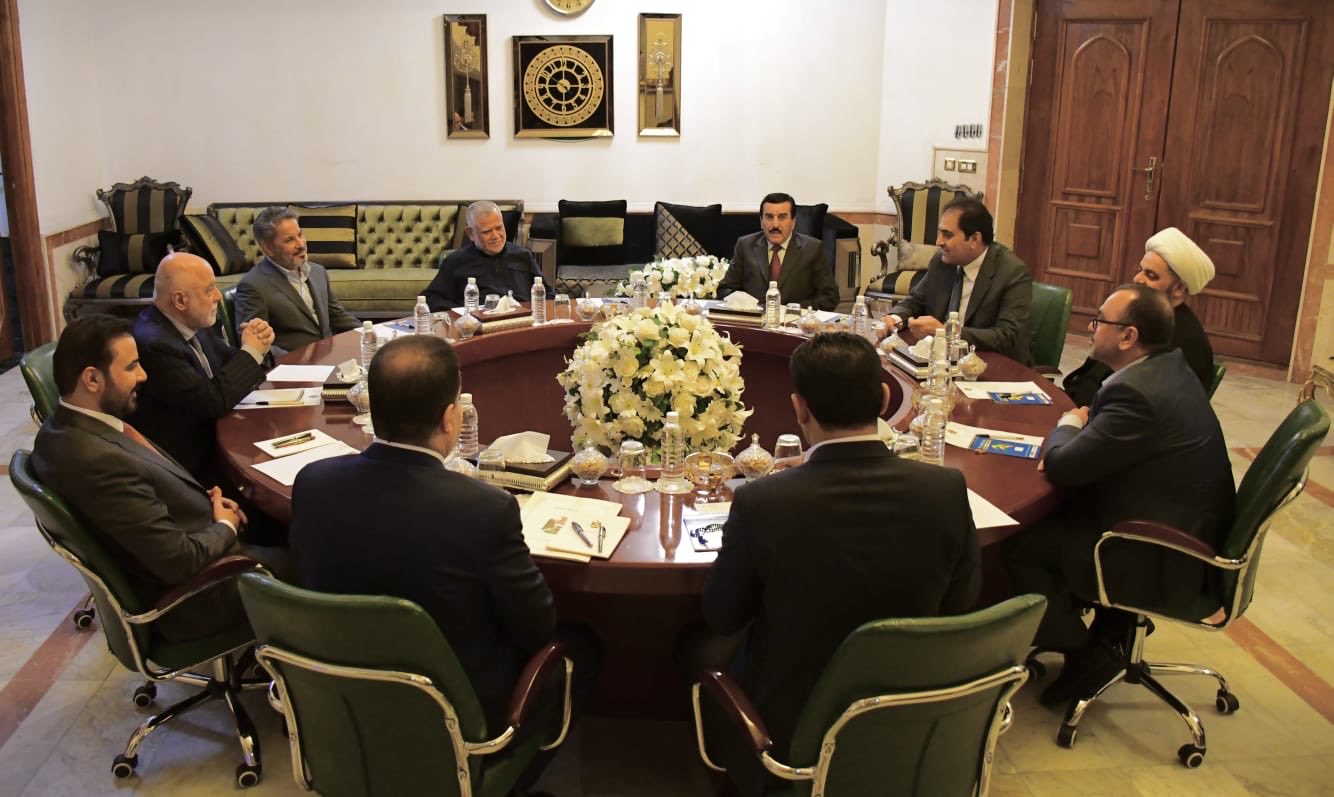
Deepening political disputes within Iraq’s ruling Coordination Framework have stalled efforts to complete Prime Minister Ali al-Zaidi’s cabinet, pushing parliamentary confidence votes past late September. Nearly four months after taking office, Zaidi’s administration operates with only 14 confirmed ministers out of 23, as rival Shia, Sunni, and Kurdish factions remain deadlocked over remaining security and deputy prime ministerial portfolios.
Key Statements and Focus Area:
- Qais Khazali (Secretary-General, Asa'ib Ahl al-Haq / Sadiqun Bloc):
"Disagreements remain over the Ministry of Interior portfolio. Our candidate for the Sadiquun parliamentary bloc is Laith Khazali, and we will not withdraw his nomination despite internal opposition or external vetoes."
Core Political Disputes Stalling Iraq's Cabinet Completion
| Political Faction | Disputed Portfolio / Post | Operational Stumbling Block |
| Asa'ib Ahl al-Haq (Al-Khazali) | Interior Ministry / DPM Post | Refuses to withdraw Laith Khazali; willing to trade other posts for Interior. |
| State of Law (Al-Maliki) | Cabinet Expansion & Security | Opposes 4 DPM posts over fiscal crisis; warns against U.S. sanctions exposure. |
| Sunni Alliances | Ministry of Interior Quotas | Internal disagreements over administrative control and security portfolio allocations. |
| Kurdish Parties (PUK / KDP) | Deputy Prime Minister | Continued division between Erbil and Slemani over executive representation. |
Sanctions Risks and Portfolio Bargaining
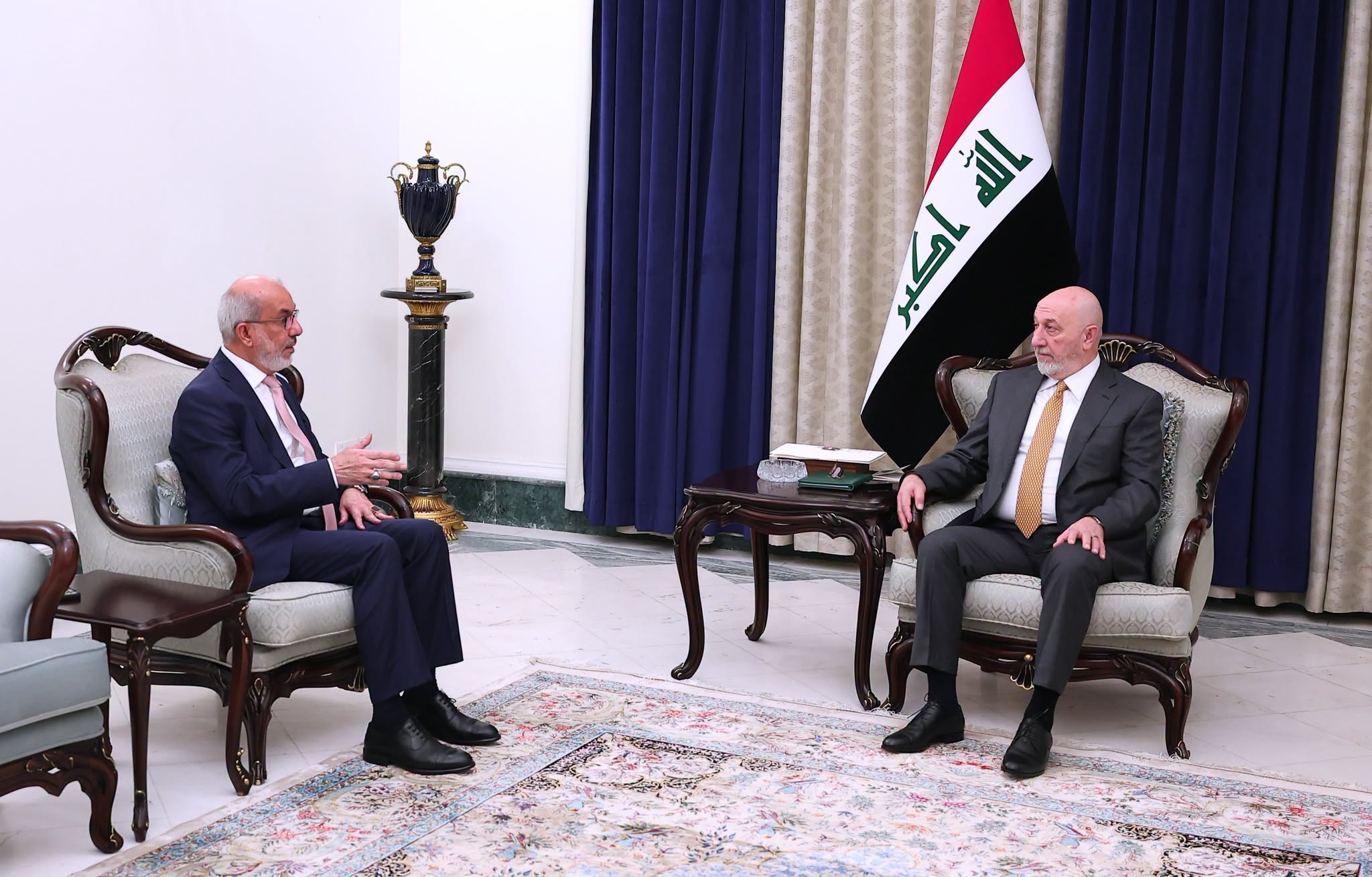
The core impasse within the Shia Coordination Framework centers on Asa'ib Ahl al-Haq's push to secure the Ministry of Interior or a Deputy Prime Minister slot for Laith Khazali. Nouri al-Maliki’s State of Law Coalition has strongly rejected the nomination, warning that placing figures subject to Western sanctions in top security roles risks exposing Iraq’s financial sector and federal reserves to international restrictions. Reports indicate Khazali offered to relinquish both the Ministry of Labor and a DPM post solely to guarantee control over Interior, but Framework leaders have yet to accept the trade.
Broadening Multi-Ethnic Divisions and Governance Delay
Beyond the Shia bloc, wider political divisions continue to hamstring Prime Minister alZaidi’s legislative agenda. The Patriotic Union of Kurdistan (PUK) and Kurdistan Democratic Party (KDP) remain split over Kurdish executive representation, while Sunni blocs continue to contest their allotted security quotas. With Prime Minister Zaidi scheduled to undertake official diplomatic visits to Paris and Berlin in the coming weeks, parliamentary leadership has indicated that confidence votes for the nine vacant ministries will be postponed until after September 30.
FYI
Operating with over one-third of cabinet posts vacant highlights the persistent fragility of Iraq's quota-based government formation process. Prime Minister al-Zaidi’s inability to finalize his administration before traveling abroad risks further eroding legislative momentum just as the parliament faces critical statutory deadlines for the upcoming 2027 federal budget draft.
Dive Deeper: Handpicked Stories for You
Follow Channel8 for continuous updates:
Iraqi Speaker Meets Turkish Intelligence Chief In Ankara
Iraq Postpones High Level 2027 Budget Drafting Meeting
Coordination Framework Rekindles Historic Erbil-Baghdad Disputes