Kurdistan Region Oil Production Nears 230,000 Barrels
At a Glance
- Kurdistan Region oil production has risen to nearly 230,000 barrels per day.
- About 178,000 barrels are currently exported through the Region’s pipeline to Ceyhan.
- A further 50,000 barrels from Kirkuk are being directed into the same export route.
- Iraq plans to raise pipeline exports to 750,000 barrels per day.
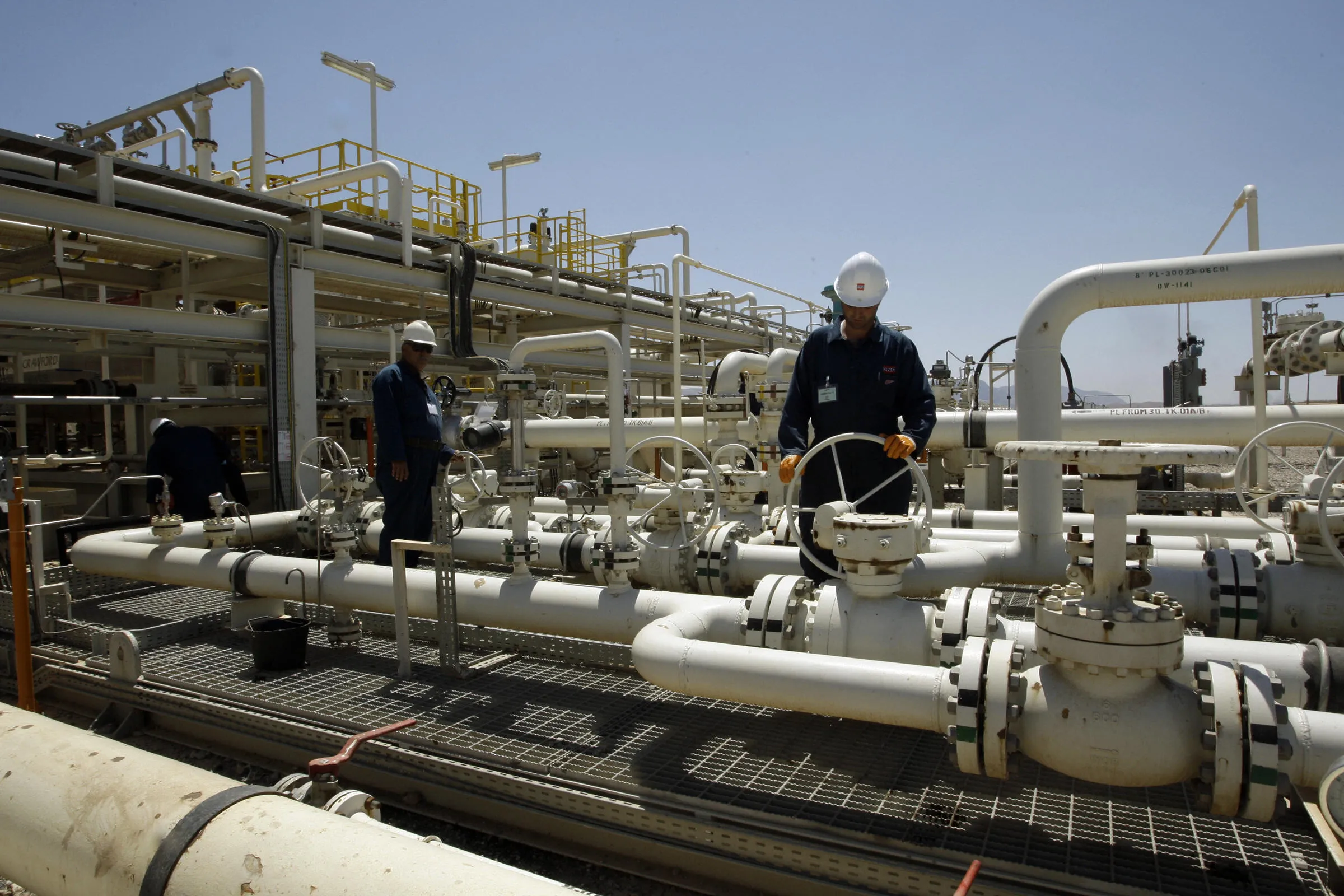
Information obtained by Channel8 shows that oil production in the Kurdistan Region has reached nearly 230,000 barrels per day, with crude exports continuing through the Region’s pipeline to the Turkish port of Ceyhan.
Key Statements and Focus Area
- Kurdistan Region production: Production in Kurdistan Region oil fields has increased to nearly 230,000 barrels per day. — North Oil Company.
- Ceyhan exports: Of the 230,000 bpd production, 50,000 bpd are retained for local fuel needs, while Channel8’s tracking shows 178,000 barrels are being transported through the Kurdistan Region’s pipeline toward Ceyhan.
- Export expansion: Pipeline exports are planned to reach 750,000 barrels, comprising 550,000 barrels from federal Iraq and 200,000 barrels from the Kurdistan Region.
Kirkuk’s oil fields are producing nearly 328,000 barrels per day. Of that volume, 140,000 barrels are directed to the Baiji Refinery, while 90,000 barrels go to the KAR Refinery and 40,000 barrels to Qaiwan.
Another 50,000 barrels per day from Kirkuk are being sent through the Kurdistan Region’s pipeline to Ceyhan. Combined with the 178,000 barrels from the Region’s fields, this brings the tracked volume moving through the pipeline to about 228,000 barrels per day.
The Iraqi Ministry of Oil has prepared a plan to increase exports through the Kurdistan Region pipeline.
Under the proposed mechanism, crude from Basra would be transported by tanker to Kirkuk, stored at the K-1 facilities, and then directed for export through the pipeline. The plan has not yet been implemented.
The latest figures follow a period in which oil companies operating in the Kurdistan Region suspended production in early March amid the war with Iran.
Most companies resumed crude production in late June and early July, gradually restoring output and allowing exports through the pipeline to resume.
FYI
The Kurdistan Region’s pipeline connects oil fields in the Region and northern Iraq with the Turkish port of Ceyhan, providing a route for crude exports to international markets. The resumption and expansion of flows through the route remains closely linked to arrangements between Baghdad, Erbil, and the oil companies operating in the Region.
The current figures also come as Iraq considers using the pipeline to move additional crude from federal fields, potentially making the route a larger component of Iraq’s overall export network.
Dive Deeper: Handpicked Stories for You
Follow Channel8 for continuous updates:

.webp)