Araghchi Says Iran Awaits Formal US Response On Hormuz
At a Glance
- Iranian Foreign Minister Abbas Araghchi says Tehran expects a formal US response to its proposal on reopening the Strait of Hormuz on Tuesday.
- Qatar is mediating between Tehran and Washington and is expected to convey the US position to Iran.
- Araghchi says reopening Hormuz remains conditional on Iran’s demands being met.
- Tehran’s proposal includes a seven-day ceasefire, sanctions relief, unfreezing Iranian assets and an end to the US naval blockade of Iranian ports.
Iranian Foreign Minister Abbas Araghchi says Tehran expects to receive Washington’s formal response on Tuesday to an Iranian proposal aimed at reopening the Strait of Hormuz, with Qatar continuing to mediate between the two sides.
Araghchi said Qatari intermediaries had discussed ideas with Tehran and would raise them with the US side before conveying Washington’s final position to Iran.
Key Statements
“The current focus is solely on the Strait of Hormuz.”
“The reopening of the strait is contingent upon the fulfilment of certain conditions that we have communicated to the other side.”
— Iranian Foreign Minister Abbas Araghchi
Qatar Mediation: Qatari intermediaries have been holding separate contacts with Tehran and Washington as efforts continue to bridge differences over Iran’s proposal.
Hormuz Conditions: Araghchi says reopening the strategic waterway depends on Iran’s conditions being met.
Seven-Day Proposal: Tehran has proposed a framework under which the strait could return to normal maritime passage within seven days if its conditions are fulfilled.
Economic Demands: Iran has called for the release of frozen Iranian assets, lifting sanctions on its oil sector and an end to the US naval blockade of Iranian ports as part of the proposed arrangement.
Iranian Foreign Minister Abbas Araghchi says Tehran expects to receive a formal response from Washington on Tuesday regarding its proposal to reopen the Strait of Hormuz.
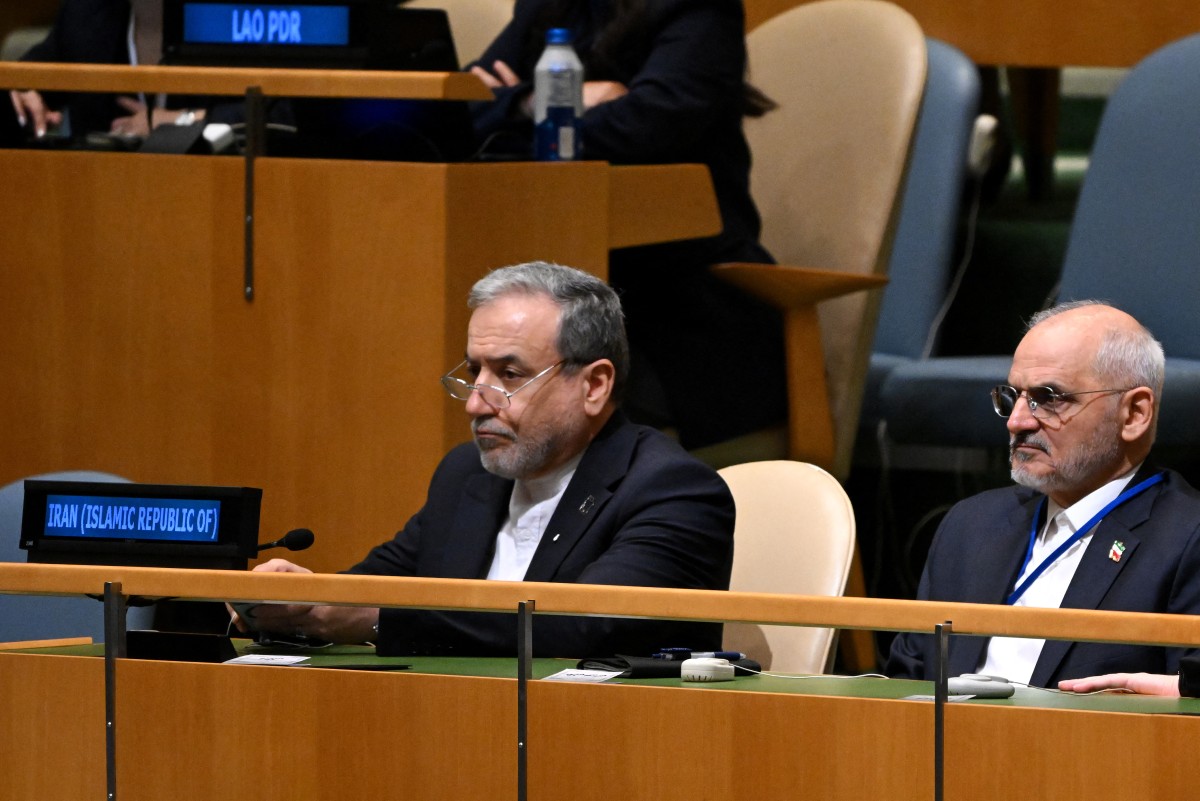
Speaking to Iranian media in New York late Monday, Araghchi said Qatari mediators had presented ideas to Tehran and discussed possible ways to meet Iran’s conditions.
“They are set to raise the matter with the American side once more, after which the final US response will be conveyed to us,” Araghchi said, according to Iranian state media.
He said the Qatari mediators hoped the process would be completed by Tuesday.
Araghchi stressed that the immediate focus was the Strait of Hormuz and that any reopening remained conditional on Tehran’s stated demands.
Iran presented Washington with a seven-day proposal last week for restoring normal maritime passage through the strategic waterway, saying the necessary conditions would have to be fulfilled first.
Among Iran’s demands are a seven-day ceasefire across the region, the unfreezing of Iranian assets held abroad, the lifting of sanctions targeting Iran’s oil sector and an end to the US naval blockade of Iranian ports.
The latest diplomatic contacts follow discussions in New York between Araghchi and US envoys during the UN General Assembly. Qatar and other intermediaries have since continued efforts to narrow differences between Tehran and Washington. Reuters reported that the latest mediation effort is focused on an amended version of Iran’s seven-day proposal.
The United States has previously rejected Iran’s proposal, but President Donald Trump has also indicated that further talks could take place. Meanwhile, Washington and Tehran continue communicating indirectly through mediators.
FYI
The Strait of Hormuz remains central to the negotiations because of its importance to global energy markets. Before the current disruption, the waterway handled roughly 20% of global crude-oil and LNG flows, according to Reuters. Recent vessel movements indicate that some Qatar-linked LNG traffic has resumed despite the conflict, although the broader security situation continues to affect maritime trade.
The latest contacts do not represent a finalized agreement. Tehran continues to tie the reopening of Hormuz to sanctions relief, the release of frozen assets and other conditions, while Washington has sought broader concessions from Iran, including on its nuclear program. The competing positions leave the terms of any potential agreement unresolved as mediators pursue further talks.
Dive Deeper: Handpicked Stories for You
Follow Channel8 for continuous updates:
Trump Calls Iran Sanctions Relief Report “A HOAX”
Iran Warns Of Greater Damage If US Launches New Attack
Iraq’s Coordination Framework To Discuss Suspension Of Iranian Flights
![Irani’s Araghchi, left, meets with Pakistan’s Munir in Islamabad, Pakistan, in April 2026 [File: Iranian Foreign Ministry/AP Photo]](https://media.channel8.com/english/wp-content/uploads/2026/05/AP26115285212508-1777383639.webp)
.jpg)