Iraq Reviews Security Readiness After Coalition Withdrawal
At a Glance
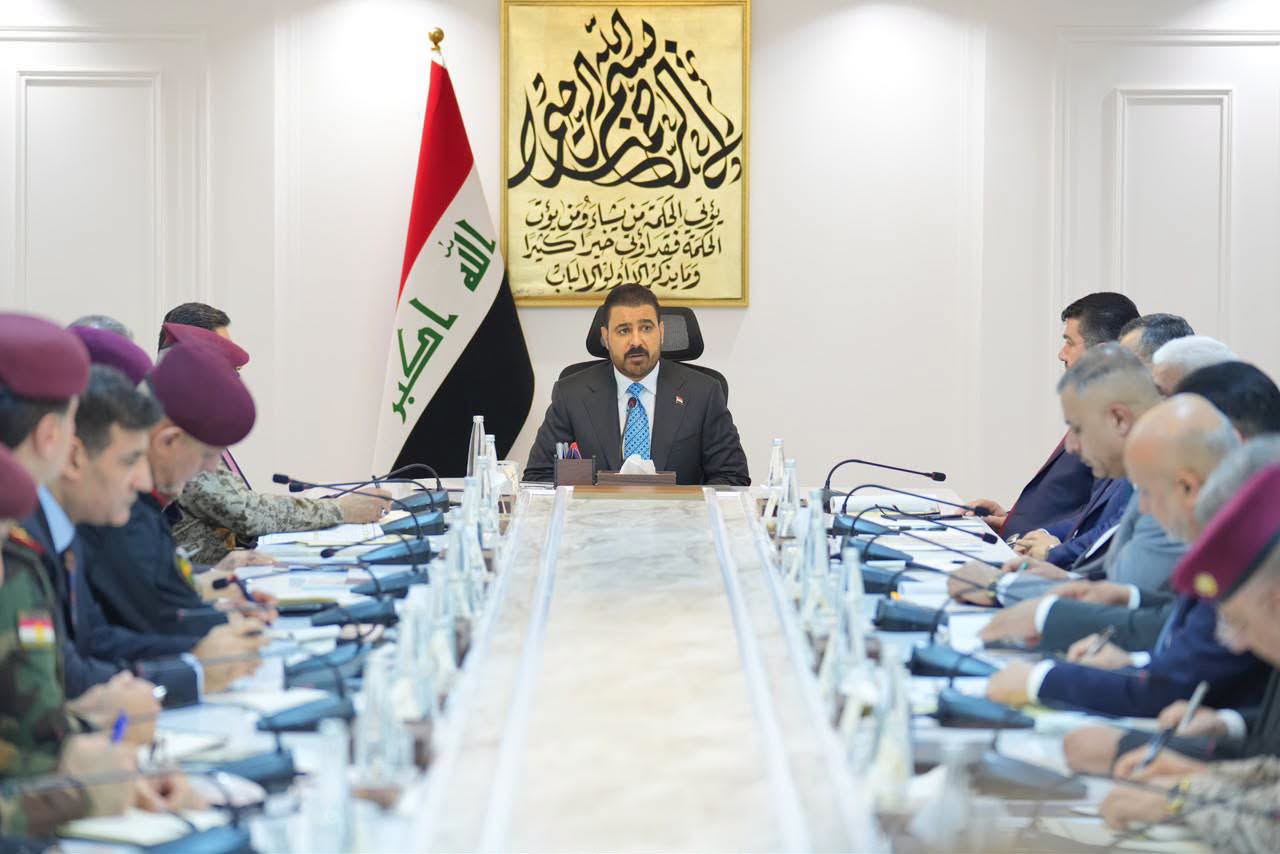
- Prime Minister and Commander-in-Chief of the Armed Forces Ali Faleh Al-Zaidi chaired an extraordinary meeting of the Ministerial Council for National Security.
- Officials reviewed military fortifications and security missions following the complete withdrawal of the international coalition from Iraq.
- Al-Zaidi said security and military decision-making now rests exclusively with Iraqi state institutions.
- The meeting focused on intelligence, coordination among security agencies, military readiness and developing Iraq’s domestic defense industry.
Prime Minister and Commander-in-Chief of the Armed Forces Ali Faleh al-Zaidi chaired an extraordinary meeting of the Ministerial Council for National Security on Wednesday to review Iraq’s military and security arrangements following the completion of the international coalition’s withdrawal from the country.
The meeting focused on strengthening the capabilities of Iraq’s security institutions, maintaining readiness and consolidating the authority of the state and the rule of law.
Key Statements
“Security and military decision-making are now fully national and rest exclusively with official state institutions.”
— Prime Minister and Commander-in-Chief of the Armed Forces Ali Faleh Al-Zaidi
“The need to maintain constant vigilance and readiness, enhance the level of coordination and cooperation among all security forces and agencies.”
— Ali Faleh Al-Zaidi
“The security and military decision-making is now fully national.”
— Al-Zaidi, according to the statement issued by spokesman Sabah Al-Numan
Focus
The meeting comes as Iraq enters a new security phase following the completion of the international coalition’s military mission against ISIS. Baghdad is emphasizing the capacity of national institutions to assume responsibility for security while maintaining international partnerships on the basis of mutual interests.
The government also highlighted intelligence cooperation, proactive security operations and efforts to counter extremist rhetoric and sectarian incitement.
Prime Minister Ali Faleh Al-Zaidi said Iraq’s security and military decisions are now exclusively in the hands of official state institutions, stressing the need for continued vigilance and military readiness.
He instructed security institutions to strengthen coordination, update operational plans and databases, and make greater use of modern technology to preserve security and stability across the country.
The meeting also addressed intelligence efforts and proactive security measures, with Al-Zaidi calling for greater attention to the sources of extremist rhetoric and sectarian incitement that could threaten social cohesion.
Officials further discussed strengthening Iraq’s defense-industrial capabilities. Al-Zaidi highlighted the role of the Defence Industries Commission in establishing production partnerships with international companies specializing in weapons and military equipment.
He said Iraq is also pursuing regional and international partnerships based on mutual interests rather than alignment with competing regional blocs.
The meeting follows Iraq’s transition away from the international coalition’s military mission. The coalition’s withdrawal has been presented by Baghdad as a transition toward a new phase centered on Iraqi-led security and bilateral cooperation.
FYI
The meeting marks a significant institutional moment for Iraq as Baghdad seeks to demonstrate that national security decision-making can be managed through state institutions following the coalition’s departure. The transition does not necessarily mean an end to all security cooperation with coalition countries; rather, Iraq has been moving toward bilateral security, intelligence and defense relationships.
The emphasis on intelligence, military readiness, air-defense capabilities and domestic defense production also reflects the broader challenges facing Iraq after the coalition withdrawal. Recent attacks originating from Iraqi territory have placed additional pressure on Baghdad to demonstrate effective state control over security and armed activity.
2 hours ago