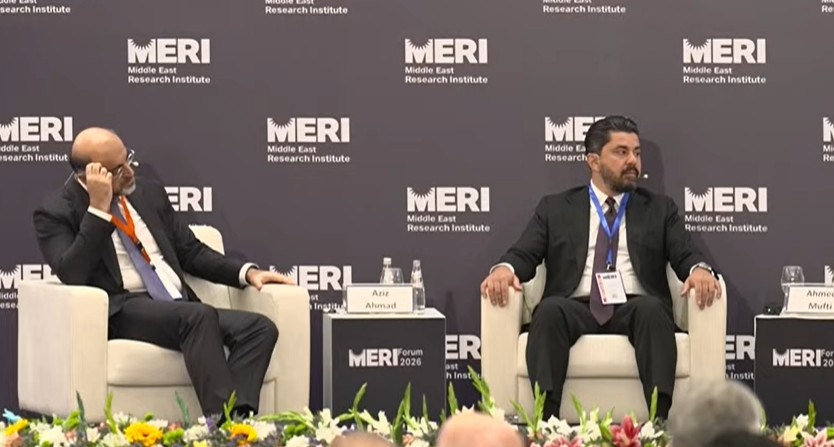
Ahmed Mufti: Kurdistan Region Provides 24-Hour Power Using Its Own Gas
At a Glance
- Kurdistan Region officials discussed gas investment and electricity supply at the MERI Forum.
- Officials highlighted the role of natural gas in power generation.
- The Roonaki Project has changed electricity demand and supply across the region.
- Gas development and fuel supplies remain key energy policy issues.
Kurdistan Region officials have outlined how natural gas production and electricity reforms are shaping the region’s energy sector during discussions at the MERI Forum.
Key Statements and Focus Area
- Natural Gas and Electricity: “The Kurdistan Region provides 24-hour electricity using its own natural gas.” — Ahmed Mufti, Deputy Minister of Natural Resources
- Electricity Supply: “We currently provide 24-hour electricity with just 4,000 megawatts.” — Aziz Ahmad, Deputy Chief of Staff to the Prime Minister
- Focus Area: Officials discussed gas investment, electricity demand, fuel supplies, and the long-term development of the energy sector.
Gas Production and Investment
Ahmed Mufti said foreign investment had enabled the Kurdistan Region to develop its natural gas production. He said the region accounts for around 35% to 37% of Iraq’s total gas output and argued that gas development should receive greater attention at the federal level.
Mufti called for Iraq’s Ministry of Oil to be renamed the Ministry of Oil and Gas. He also said Iraq had four gas fields that remained unutilized and stressed that the Kurdistan Region should not rely solely on the Kor Mor field.
He said work was underway at the Chamchamal and Kurdamir gas fields, while the region had the capacity to produce up to three billion cubic feet of gas. Mufti also noted that the Khurmala field supplies 20% of the gas used by power plants.
Electricity Demand and the Roonaki Project
Aziz Ahmad said electricity demand in the Kurdistan Region had stood at 8,000 megawatts before the Roonaki Project, while the region now provides round-the-clock electricity using 4,000 megawatts.
Ahmad said 85% of subscribers currently receive 24-hour electricity, adding that electricity demand grows by around 5% annually. He also said per capita electricity consumption in the Kurdistan Region is higher than in the rest of Iraq.
According to Ahmad, the project has reduced electricity demand by 50%. He said around 7,000 private generators had previously been operating across the region.
Fuel Supplies and Energy Costs
Mufti said the Kurdistan Region requires nearly six million liters of gasoline each day, while commercial supplies account for approximately 4.5 million to five million liters. He said the region had asked Baghdad either to increase its crude oil allocation or provide six million liters of gasoline daily.
He also called for the gradual phaseout of heavy fuel oil and diesel use. Mufti said the impact of the Strait of Hormuz crisis had spread widely, underscoring concerns over energy supply and regional disruptions.
Ahmad said the electricity sector incurs monthly expenditure of around $300 million. He also pointed to a financial imbalance in which the Kurdistan Region receives revenue in Iraqi dinars while some expenditures are in US dollars.
Mufti said oil accounts for approximately 90% of Iraq’s revenue, highlighting the country’s continued dependence on the sector.
FYI
The Roonaki Project is the Kurdistan Regional Government’s initiative to provide continuous electricity to households and reduce reliance on private generators. Its implementation has involved changes to electricity supply arrangements and the broader power sector.
Natural gas is an important fuel for electricity generation in the Kurdistan Region. The development of fields such as Kor Mor, Chamchamal, and Kurdamir is relevant to the region’s power supply, while relations with Baghdad over fuel allocations and energy revenues remain important to the sector.
Dive Deeper: Handpicked Stories for You
Follow Channel8 for continuous updates:
Rebar Ahmed Warns of ISIS Resurgence at MERI Forum as Officials Tackle Security Threats
Talabani Outlines PUK Policy and Regional Diplomacy at MERI Forum
Nechirvan Barzani Addresses Regional Developments at MERI Forum
2 hours ago