New 5% Tariff to Lower Prices of Vehicles and Imports, Kurdistan Region Crossings Included
At a Glance
Iraq has decided to unify customs tariffs on all imported goods at a rate of 5%.
Prices of vehicles and other imported materials are expected to fall.
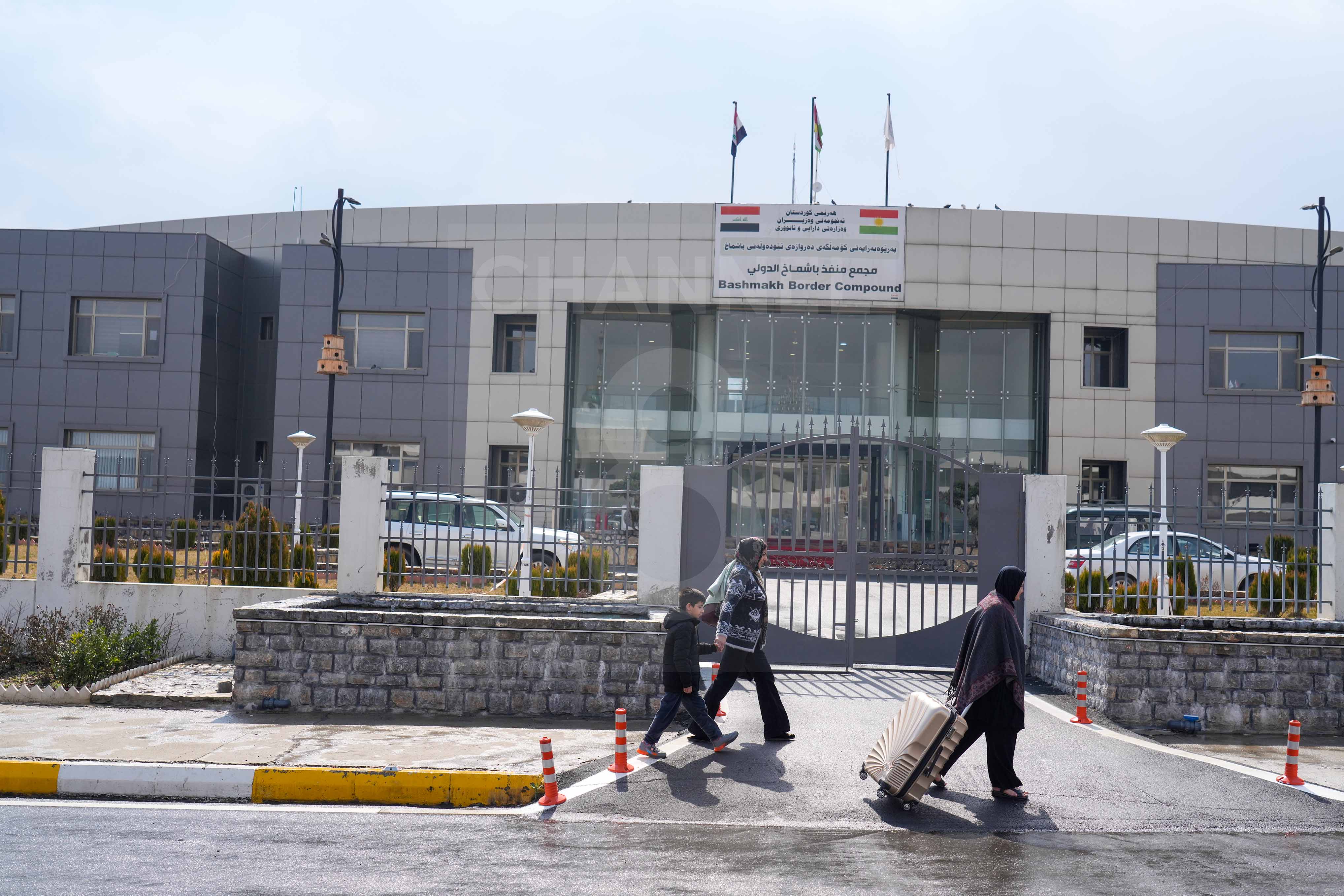
The decision covers all border crossings, including those in the Kurdistan Region.
Information obtained by Channel8 shows that the federal government's new customs decision is comprehensive and applies to the Kurdistan Region's crossings as well, though implementation details have not yet been published.
Key Statements and Focus Area
Slemani Customs on the Scope: "The decision is comprehensive; it covers all imported goods and makes no exceptions." — Qadir Perot, Director of Slemani Customs, to Channel8.
Focus Area: The unified 5% tariff and its effect on trade through federal and Kurdistan Region border crossings.
Prime Minister Ali Faleh al-Zaidi issued the decision on November 27, reducing and unifying tariffs on all imported goods.
Because it was issued Friday night, Perot said his office has not yet been officially notified.
Previously, tariffs ranged between 10% and 15% and were much higher for certain specialized goods, so duties on most goods will fall significantly.
According to Channel8's information, it would be difficult for Kurdistan Region crossings to avoid implementing it.
If they did not, most traders would turn to Iraq's federal crossings to import their goods, weakening commercial activity at the Region's crossings.
FYI
The decision follows a series of federal measures on border crossings and oil, including placing the Kurdistan Region's crossings under the Border Ports Commission and the Federal Supreme Court's ruling affirming federal authority over borders and customs policy.
Customs revenues have become a growing source of non-oil income for Iraq, which projected they could reach 4 trillion dinars this year.
Dive Deeper: Handpicked Stories for You
Follow Channel8 for continuous updates:
Iraq unifies import tariffs, doubles annual traveler dollar quotas
.webp)
 (1).jpg)
.jpeg)