Iraqi MP: Iraq Plans 16 Trillion Dinar Loan for 2027 Budget Deficit
At a Glance
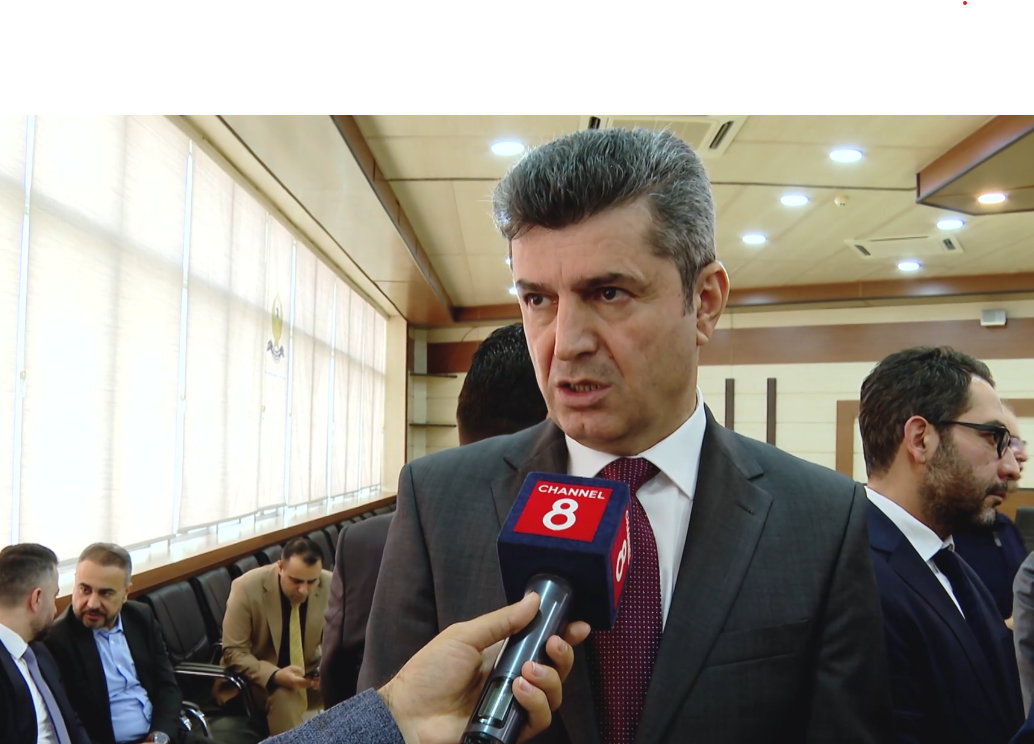
A member of the Iraqi Parliament's Finance Committee announced that Iraq plans to secure a 16 trillion dinar loan in the 2027 federal budget to cover the financial deficit.
MP Jamal Kocher stated that the majority of the borrowing will be allocated to sovereign expenditures, with the Kurdistan Region's share determined after separating sovereign allocations.
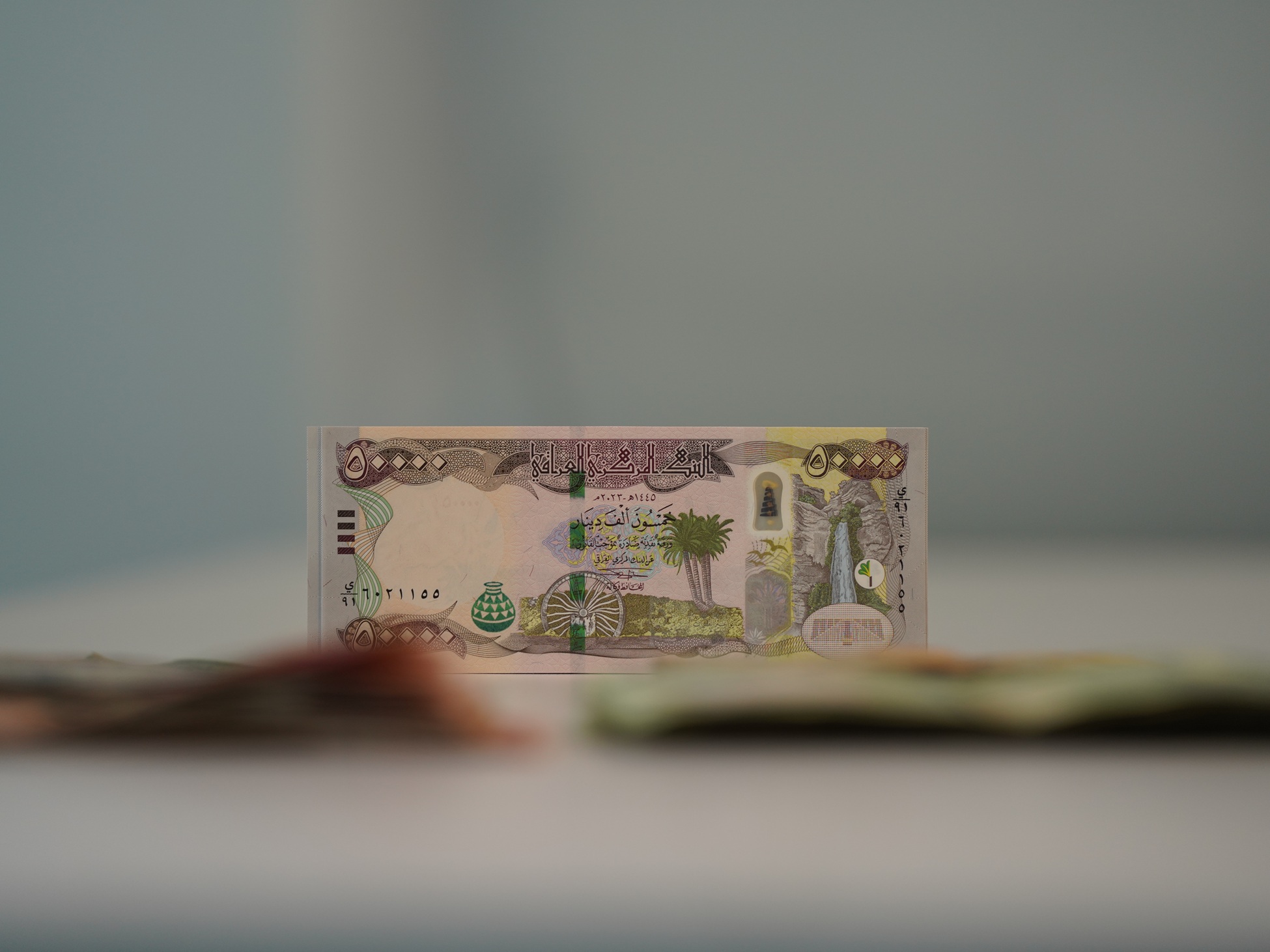
Kocher noted that Iraq's total public debt currently stands at 208 trillion dinars, comprising 116 trillion dinars in bank loans and 92 trillion dinars in outstanding obligations to contractors and investors.
Following the currency devaluation, officials defended the move by warning that maintaining the previous exchange rate would have plunged the country into even heavier debt.
Information received by Channel8 indicates that Iraq is preparing to navigate upcoming fiscal hurdles by integrating a significant loan into the 2027 federal budget framework.
Loan Structure and Regional Share
Addressing Deficits: The proposed 16 trillion dinar loan is specifically designed to bridge growing funding gaps within the national budget.
Sovereign Allocations: Speaking to Channel8, Finance Committee member Jamal Kocher explained that the bulk of the borrowed funds will target sovereign budgets, with the Kurdistan Region's portion separated and calculated following the deduction of sovereign expenses.
Manageable Burden: Kocher emphasized that the specific financial share falling upon the Kurdistan Region remains relatively small, and clear mechanisms for both borrowing and repayment have been established.
Overview of National Public Debt
Current Liabilities: Iraq's cumulative public debt has reached 208 trillion dinars, which includes 116 trillion dinars borrowed directly from banking institutions.
Contractor Arrears: The government also carries 92 trillion dinars in mandatory obligations owed to contractors and developmental investors, representing binding state commitments that must be settled.
Context on Currency Value: Addressing the broader economic backdrop following the devaluation of the Iraqi dinar, parliamentary leaders stressed that failing to adjust the exchange rate would have forced the nation into an unsustainable cycle of catastrophic debt.
FYI
Sovereign expenditures in the Iraqi federal budget encompass nationwide obligations, such as defense, foreign affairs, and sovereign debt servicing, that are funded prior to calculating regional allocations.
Dive Deeper: Handpicked Stories for You
Follow Channel8 for continuous updates:

.jpeg)
.webp)