Knesset Polls Open Nationwide for High-Stakes Israeli Election
At a Glance
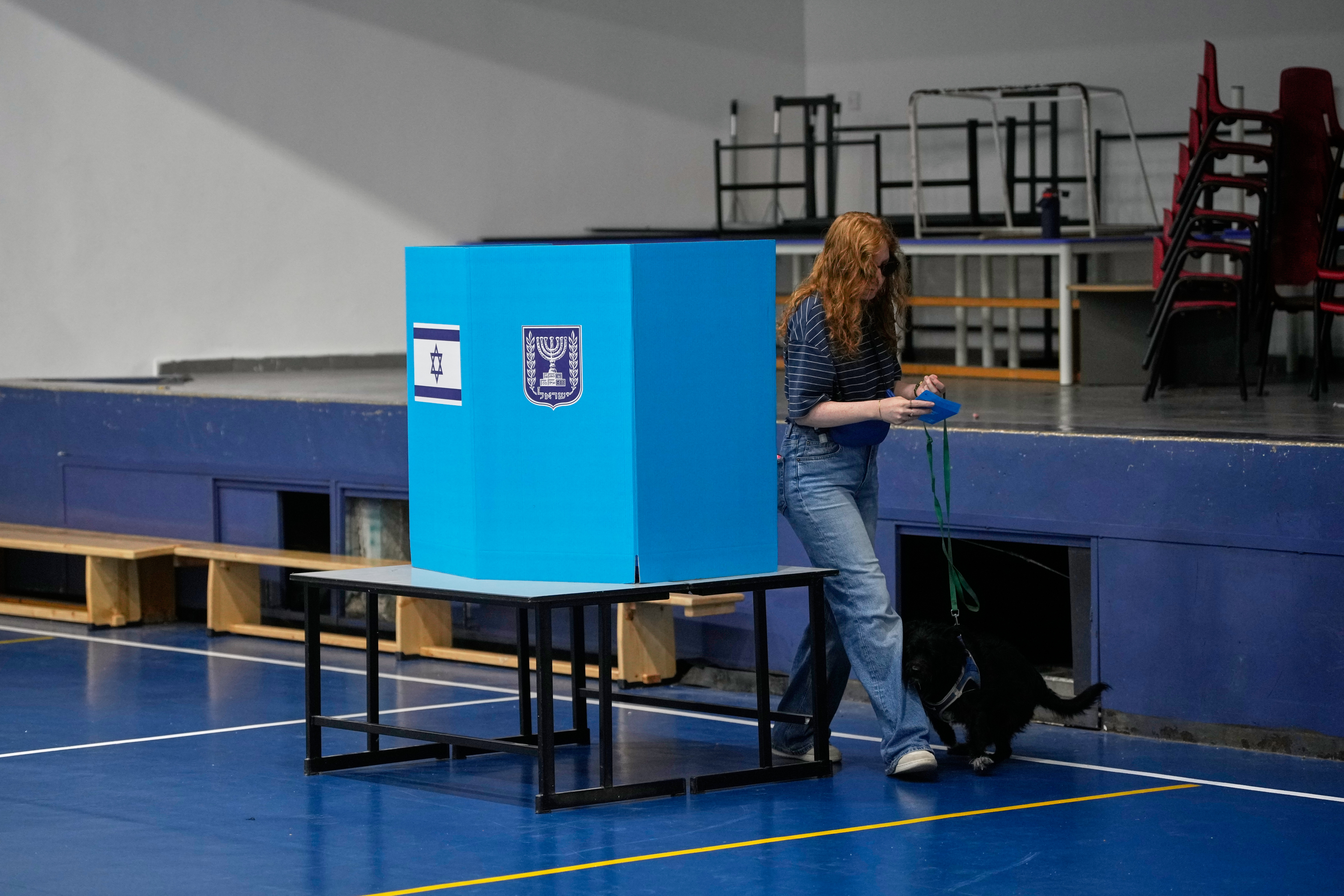
Polling stations across Israel opened at 7:00 AM on Tuesday for the country's national parliamentary election.
The high-stakes election will determine all 120 seats of the 26th Knesset, following a full four-year legislative term.
The political arena is deeply divided between Prime Minister Benjamin Netanyahu’s right-wing bloc and a fractured opposition alliance.
An estimated 7.3 million citizens are eligible to vote, with thousands of Israelis living abroad reportedly traveling back to cast ballots in person.
Polling stations have opened across Israel for a national election to determine all 120 Knesset seats, amid divided political landscape and varying domestic media projections regarding whether Prime Minister Benjamin Netanyahu or former military chief Gadi Eisenkot will secure a path to form the next governing coalition.
Key Statements and Focus Area
The Central Elections Committee announced that voting is underway across the country, with polls scheduled to close at 10:00 PM tonight.
Political observers note that this marks the first national vote since the October 7, 2023 attacks, making national security, defense accountability, and the ongoing wars the primary defining issues for voters.
Additionally, domestic friction surrounding ultra-Orthodox (Haredi) military conscription and the economic costs of prolonged conflict remain central to the electorate's agenda.
A survey of final pre-election polling from major Israeli media outlets reveals a striking divide in the race, making the final outcome exceptionally difficult to predict.
Mainstream and center networks, including Channel 12, Channel 13, Kan 11, Israel Hayom, and Walla, project former military chief Gadi Eisenkot's Yashar party to secure a first-place finish with 20 to 23 seats, while keeping Netanyahu's right-wing bloc well below the 61-seat majority line at 48 to 51 seats.
Conversely, pro-Netanyahu outlets present a vastly different landscape; i24NEWS projects Netanyahu ahead with 26 seats (58 for his bloc), while Channel 14 places Likud at 30 seats, giving the Prime Minister's bloc a narrow governing majority of 62 seats.
Analysts emphasize that because winning the largest number of seats does not automatically guarantee the premiership, smaller sector-specific and Arab-led factions remain vital powerbrokers in the post-election coalition math.
Major Parties & Key Candidates
With the Central Elections Committee registering 38 party lists for this cycle, the primary political blocs and their lead contenders include:
Right-Wing & Existing Coalition Factions
Likud: Incumbent Prime Minister Benjamin Netanyahu leads this national-liberal right-wing party, which centers its platform on a firm national defense posture and settlement support.
Otzma Yehudit (Jewish Power): This far-right faction is headed by National Security Minister Itamar Ben-Gvir and places its core focus on strict domestic security policies.
Religious Zionist Party: Finance Minister Bezalel Smotrich runs here on a joint slate with Moshe Feiglin's Zehut party.
Shas: Under the leadership of Aryeh Deri, this religious-right faction represents Sephardic and Mizrahi ultra-Orthodox communities.
United Torah Judaism (UTJ): Led by Ya'akov Asher, the party serves as the primary political representative for the Ashkenazi ultra-Orthodox community.
Centrist & Opposition Factions
Beyahad (Together): Former Prime Ministers Naftali Bennett and Yair Lapid formed this major opposition alliance to present a civic centrist platform centered on security experience and competent state management.
Yashar! (Straight): Former IDF Chief of Staff Gadi Eisenkot leads this ticket alongside Yoram Cohen, campaigning on defense, service equality, and systemic political repairs.
Yisrael Beiteinu: Avigdor Lieberman heads this secular right-wing party, which strongly advocates for economic reforms and changes to military conscription laws.
The Democrats: This center-left alliance, led by Yair Golan, serves as a consolidation of Israel's traditional labor and social-democratic factions.
Arab-Led & Sectoral Parties
The Joint List: Yousef Jabareen leads this secular coalition representing Arab citizens, emphasizing equality and a state for all its citizens.
Ra'am (United Arab List): Led by Mansour Abbas, this pragmatic Islamist party remains open to negotiating with diverse coalitions to secure funding for local communities. (Note: The Supreme Court cleared both Ra'am and the Joint List to run following an initial disqualification attempt by the Central Elections Committee).
New & Threshold-Challenging Parties
Amcha Yisrael: Former military figure Ofer Winter leads this patriotic party list, targeting voters with security figures unaffected by recent political fallout.
The Reservists & Economic Party: A center-right merger between Yoaz Hendel and economist Yaron Zelekha, aiming to clear the 3.25% threshold by focusing heavily on the cost of living.
FYI
Israel operates under a country-wide proportional representation system where citizens select closed party lists rather than voting directly for a prime minister.
To secure representation in the Knesset, a party must cross a strict electoral threshold of 3.25% of the national vote, with votes cast for any party failing to meet this mark being discarded.
Following the official closure of polling locations, the public broadcaster and commercial television channels will release initial exit polls. However, the Central Elections Committee (CEC) is not scheduled to publish the final, certified election results until November 4, 2026.
Dive Deeper: Handpicked Stories for You
Follow Channel8 for continuous updates:
Iran Says Israeli Election Result Will Make No Difference
Trump Says 'No Strike Today' on Iran as Washington Weighs Options
Iran Blames US for Failed Deal but Keeps Door Open
Netanyahu denies Trump blocked strikes, vows final Iran blow
Netanyahu Delivers Defiant UN Speech Slamming Critics And Iran