Slemani Supplies 90% of Factory Output to Iraq, Investment Director Reports
At a Glance
Ninety percent of goods produced in Slemani’s factories are supplied to central and southern Iraq.
Half of Slemani’s total capital investment is directed toward the industrial sector alongside agriculture and tourism.
The municipality has spent 102 billion dinars on roads and bridges and 30 billion dinars on public services.
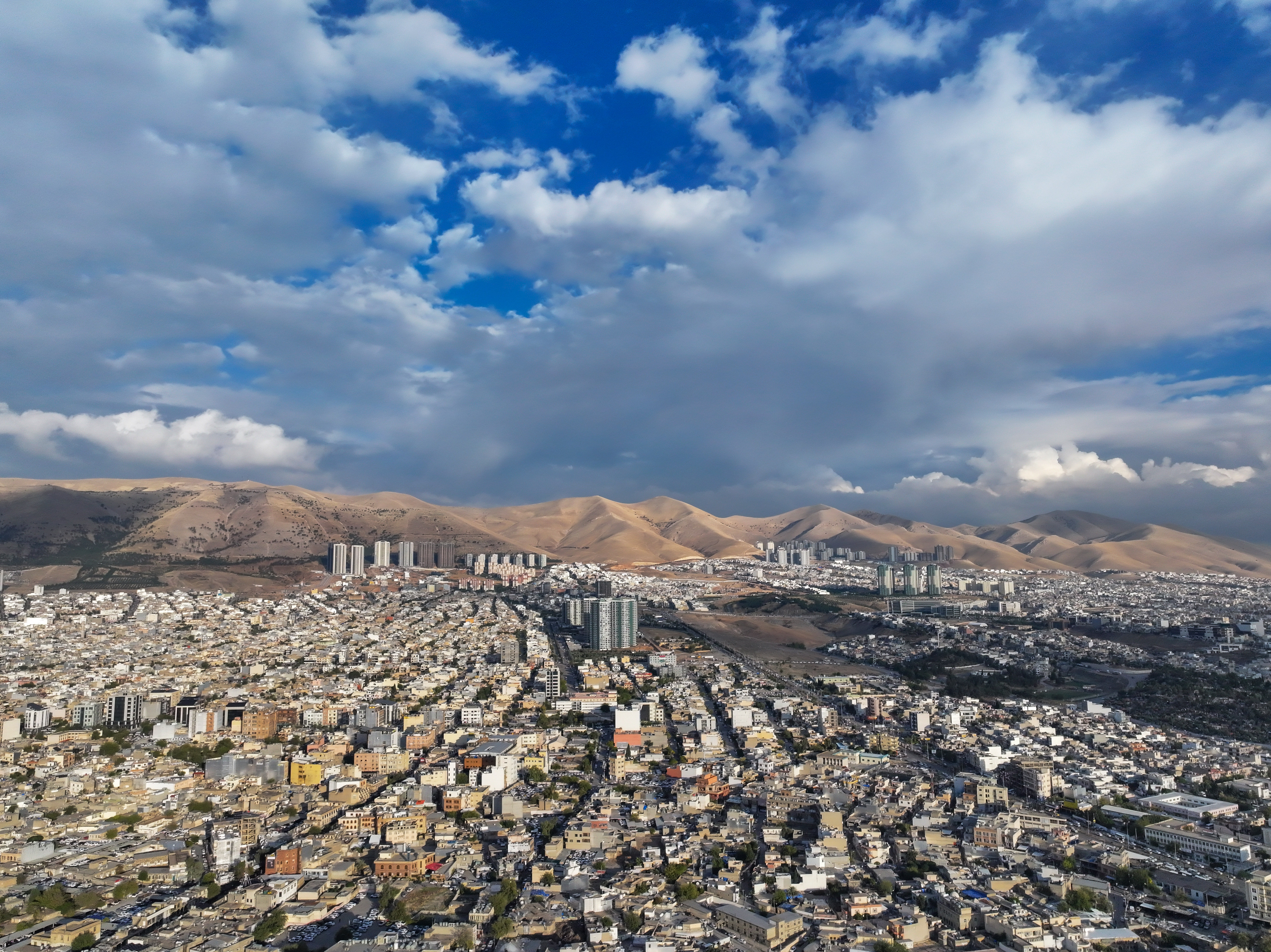
Speaking to Channel8 marking Slemani’s founding anniversary, senior local officials highlighted the governorate’s leading role in driving Iraq’s industrial growth and its ongoing expansion in urban infrastructure and foreign investment.
Key Statements and Focus Area
Amanj Jalal, Director General of Slemani Investment, emphasized to Channel8 that Slemani leads in most economic sectors and has the greatest impact on Iraq's economic growth, noting that 90% of the output from Slemani's factories goes to central and southern Iraq.
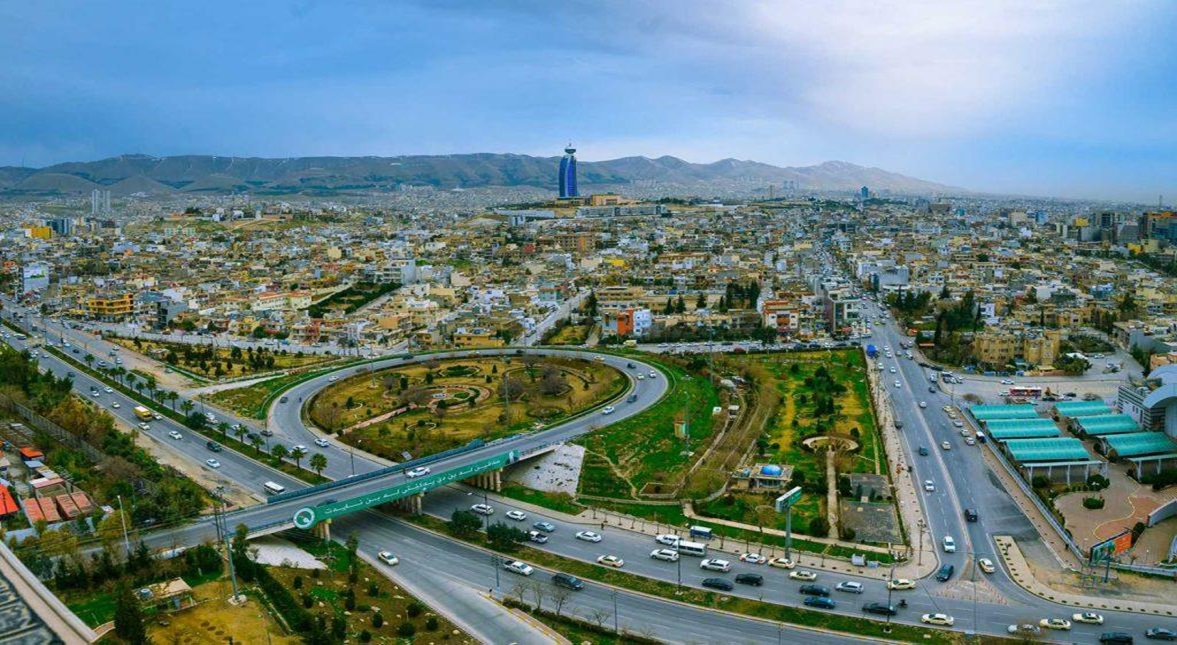
Layla Omar, Mayor of Slemani, told Channel8 that the city is witnessing significant progress year after year and is the only governorate across Iraq with a dedicated traffic master plan, meaning that when a decision is made to implement a project, it does not require lengthy follow-ups.
Jalal noted that Slemani’s economic leadership extends well beyond its local borders, playing a decisive role in supporting Iraq’s broader economy.
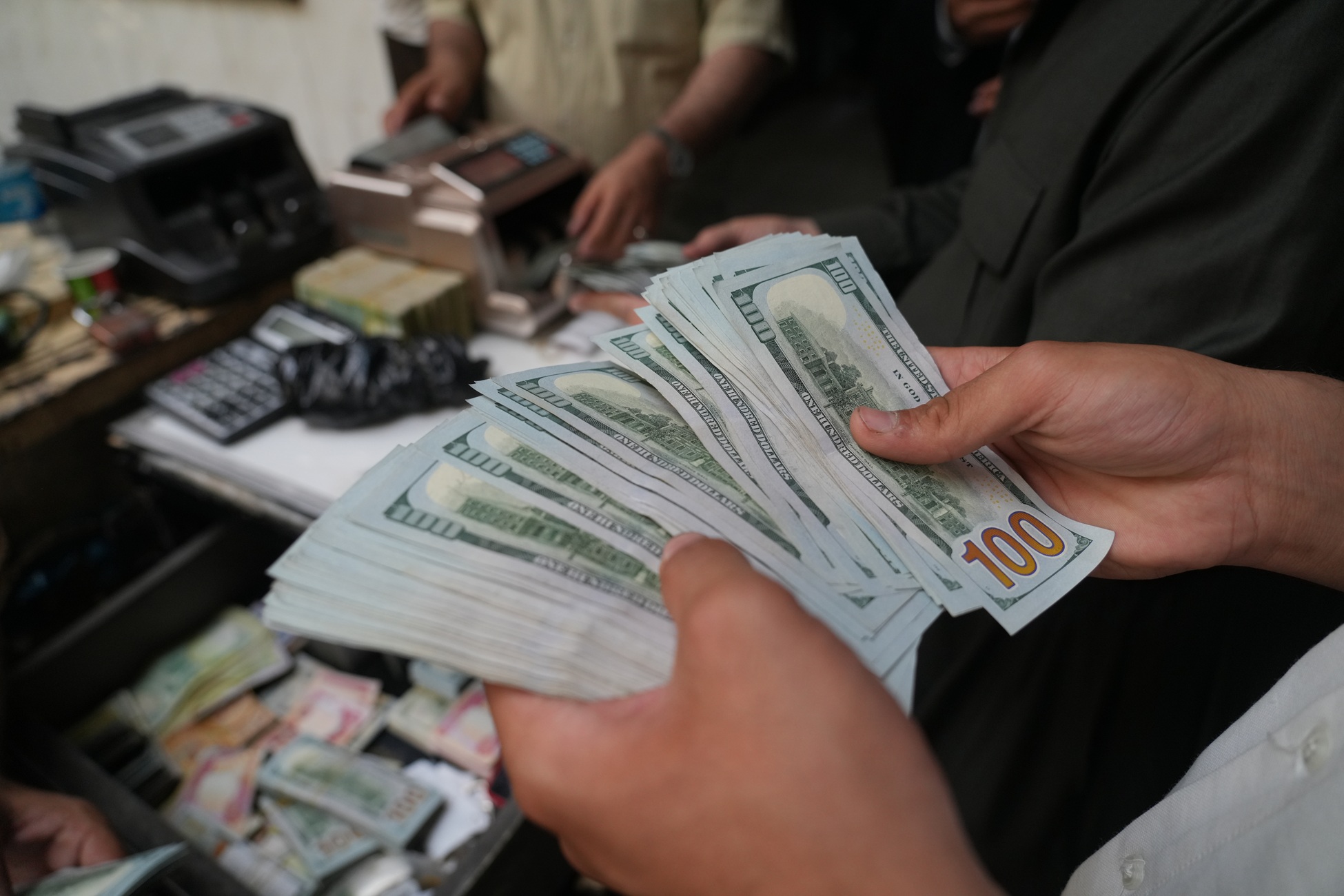
He explained that one of Iraq’s primary economic challenges over the past 15 to 20 years has been the continuous outflow of hard currency, which has hindered economic recovery and steadily weakened the national currency’s value.
According to Jalal, 50% of capital investment in Slemani is concentrated in the industrial sector, complemented by active investments across agriculture, tourism, and other vital economic fields.
Meanwhile, Omar detailed the municipality's major infrastructure expenditures, noting that 102 billion dinars has been spent solely on constructing bridges, flyovers, intersections, underpasses, and overpasses.
Aside from road networks, roughly another 30 billion dinars has been allocated to public service sectors, including health, water, electricity, and culture.
She added that construction is actively underway on two dams, which are scheduled for completion next year based on the contractor's pledge, a milestone that will accelerate the rollout of all five of the city's planned tourism zones.
Omar stated that a budget of 364 billion dinars is currently available to execute upcoming projects, and the municipality has already allocated the necessary land for major developments.
She emphasized that Slemani has moved past the era when local investors looked abroad due to bureaucratic red tape, entering a new phase focused on attracting foreign investment.
FYI
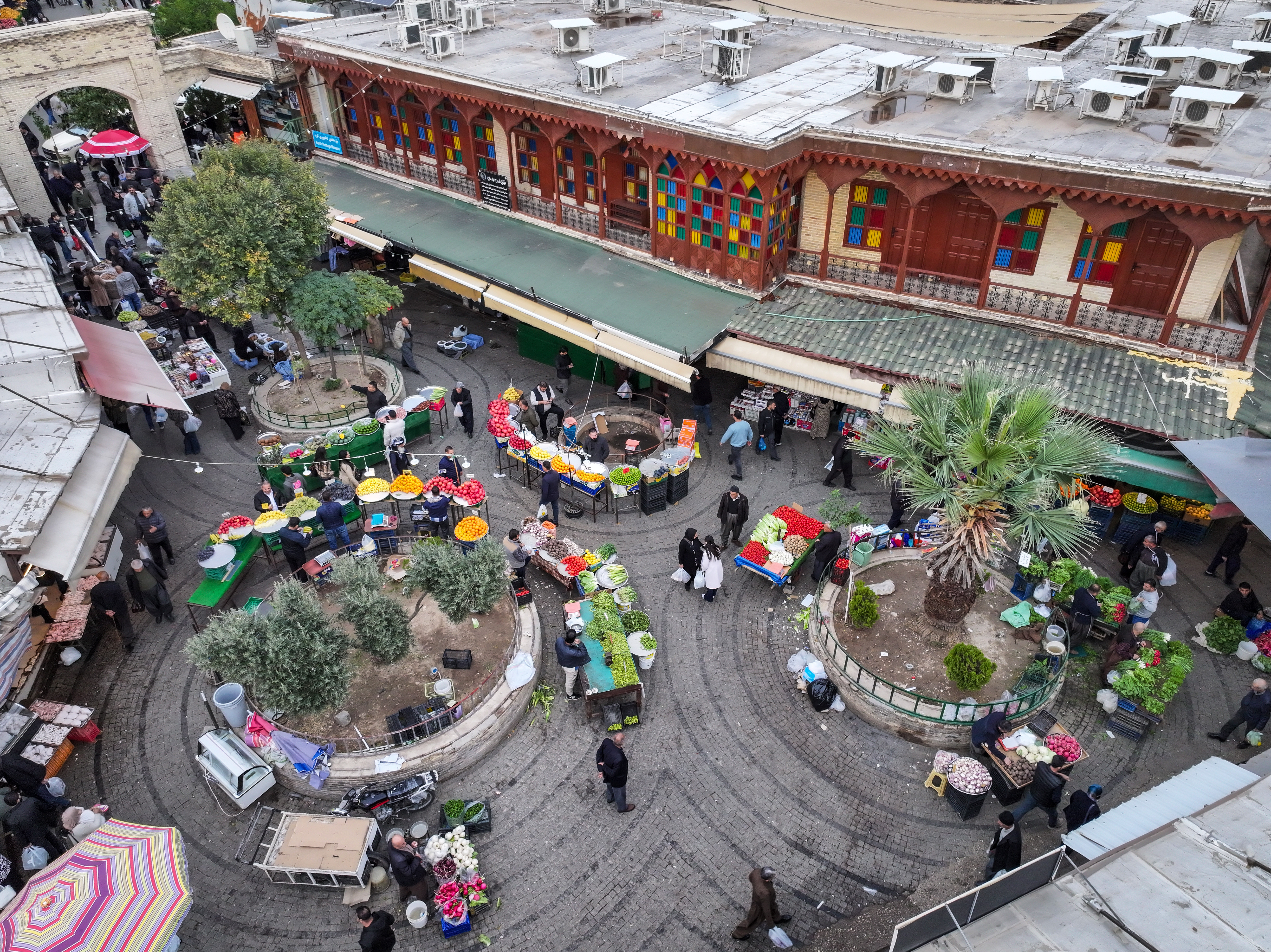
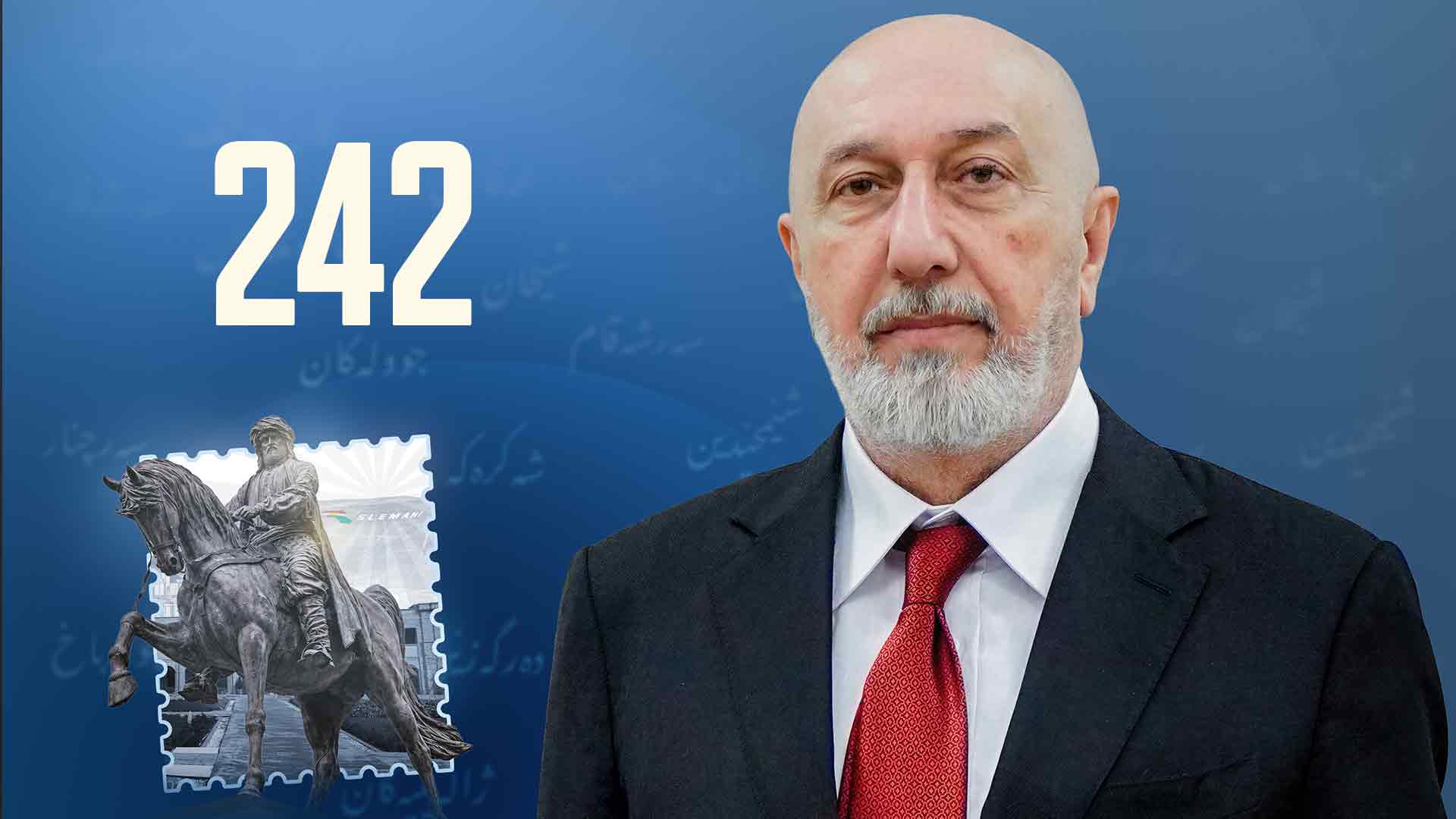
Founded on November 14, 1784, by Kurdish prince Ibrahim Pasha Baban, Slemani marked its 242nd anniversary this week as one of the Kurdistan Region’s primary economic, cultural, and industrial hubs.
Over the past two decades, the governorate has developed a robust manufacturing base—particularly in cement, steel, and food processing—that supplies domestic markets across federal Iraq and helps reduce reliance on foreign imports.
Alongside private-sector industrial expansion, local authorities have prioritized long-term urban planning, ring-road networks, and tourism infrastructure to position the city as a competitive destination for regional and international capital.
Dive Deeper: Handpicked Stories for You
Follow Channel8 for continuous updates:
Slemani: Birthplace of Kurdistan's First Musical Ensemble and Early Theater
Slemani Launches 242 Founding Anniversary Events at Bardarki Sara Today
Nizar Amedi Marks Slemani 242nd Anniversary, Hails Legacy and Stability
Talabani Marks Slemani 242nd Anniversary with Development Pledge