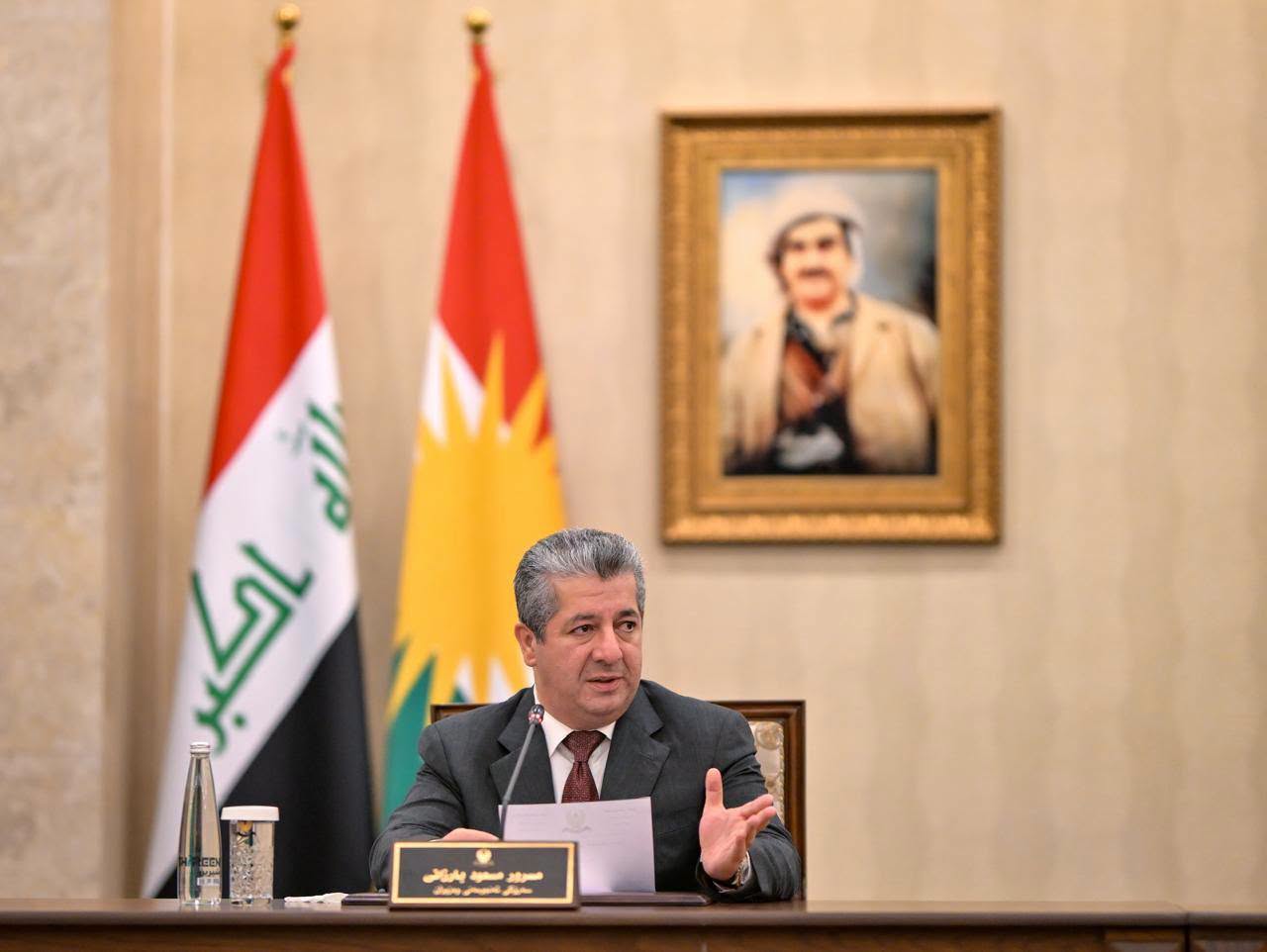
Iraq's Non-Oil Revenue Surges 25% Driven by Federal Fiscal Reforms
At a Glance
Iraq's non-oil revenue experienced a significant 25.37% year-over-year increase following new federal procedures.
Non-oil inflows climbed to 24% of total state revenue during the first nine months of the fiscal year.
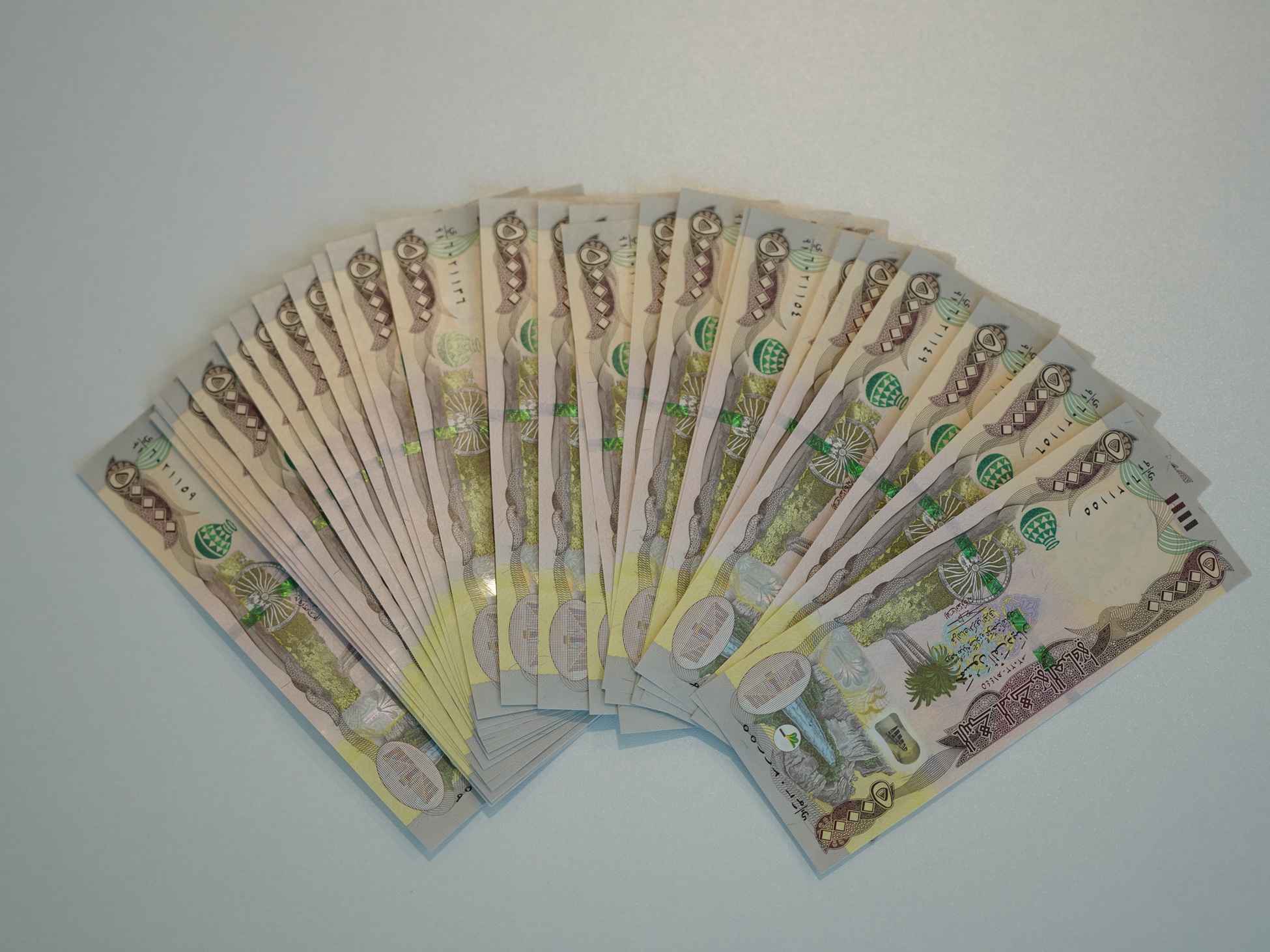
Total non-oil collections reached 12.620 trillion dinars, up from 9.419 trillion dinars during the same period last year.
The Kurdistan Region contributed 1.440 trillion dinars in federal handovers over a full 12-month cycle.
Iraq's non-oil revenue surged by 25.37% year-over-year to 12.620 trillion dinars during the first nine months of the fiscal year, driven by new federal auditing procedures and a stabilized 1.440 trillion dinar annual revenue handover agreement with the Kurdistan Region.
Key Statements and Focus Area
According to official expenditure and revenue tables covering the first nine months of this year, Iraq's non-oil revenue was recorded at 24% of the nation's total revenue mix, with total non-oil receipts reaching 12 trillion and 620 billion dinars.
In contrast, non-oil revenue during the first nine months of the previous fiscal year stood at just 10% of total inflows, with total collections during that period amounting to 9 trillion and 419 billion dinars. This statistical shift represents a definitive year-over-year growth rate of 25.37%.
Data from the Ministry of Finance reveals that while non-oil revenue as a percentage of total state intake expanded from 10% to 24%, the actual nominal increase in generated non-oil cash reserves amounted to 3 trillion and 201 billion dinars.
A significant portion of this fiscal expansion is directly linked to structural changes in regional revenue handovers.
Following the September 27, 2025, financial agreement between Erbil and Baghdad regarding the oil and non-oil revenue files, the Kurdistan Region committed to transferring a fixed monthly non-oil revenue of 120 billion dinars to the federal treasury.
This represents a substantial increase from previous trial balance figures, under which the Region typically handed over between 50 and 70 billion dinars to the central government.
Kurdistan Region Has Increased Iraq's Revenues
From September of last year to the end of September this year, spanning a full 12-month period, the Kurdistan Region successfully transferred a total of 1 trillion and 440 billion dinars in federal non-oil revenue to Baghdad.
This consistent transfer mechanism averages a monthly handover of 120 billion dinars.
Official data indicates that the broader increase in Iraq's nationwide non-oil revenue is directly linked to the increased handover of the Region's non-oil revenues to the Iraqi federal government.
FYI
The continuous expansion of non-oil revenues to 24% of total state inflows represents a critical structural change for Iraq's national budget, which has historically suffered from extreme vulnerability to volatile international crude markets and maritime trade disruptions.
Throughout previous fiscal cycles, fluctuating global petroleum receipts heavily strained the federal treasury, prompting the implementation of rigid domestic tax, customs, and digital auditing reforms to diversify liquid cash inflows.
While oil remains the primary driver of national expenditure, the steady rise in domestic collection rates provides the Ministry of Finance with much-needed fiscal insulation to handle public sector commitments.
Worsening these long-term budget management challenges was a historical lack of centralized tracking for regional revenues, which frequently triggered political friction over funding delays and trial balance mismatches.
The current 12-month stabilization track heavily relies on the standardized execution of the September 2025 financial accord between Erbil and Baghdad.
By locking in a predictable monthly handover of 120 billion dinars from Kurdish border crossings and localized non-oil operations, the central government has successfully integrated regional revenues into the federal accounting matrix.
Dive Deeper: Handpicked Stories for You
Follow Channel8 for continuous updates:
Erbil Slams Baghdad Over Sixty Five Trillion Dinar Budget Trap
Iraq Postpones Cabinet Budget Meeting to Tuesday
Iraqi Deficit Hits 33.5 Trillion Dinars as Operational Costs Consume 96%
Kurdistan Received Just 2.04% Budget In 12 Years
Iraq and World Bank Discuss Funding for Strategic Economic Reforms