Kashmir's Saffron Tradition Threatened by Climate, Development and Fraud
At a Glance
Kashmir's prized saffron harvest has fallen sharply in recent years.
Dry weather, shrinking fields, and pests are hurting growers.
Fake "Kashmiri" saffron is flooding markets.
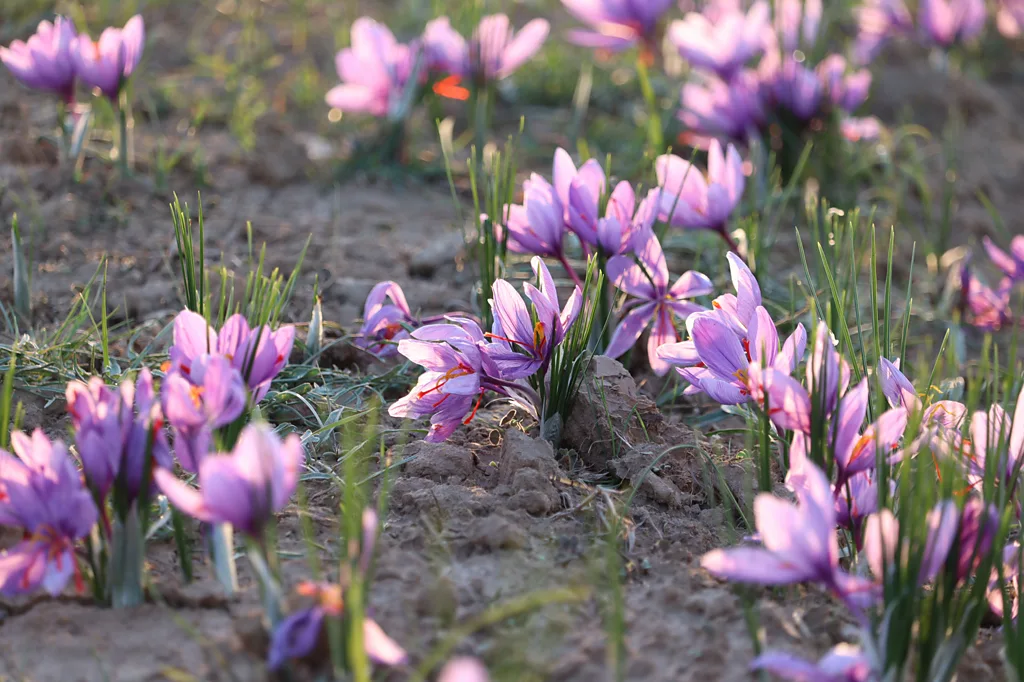
Kashmir's centuries-old saffron tradition is under pressure from climate change, land development, and fraud, leaving the families who depend on the spice facing an uncertain future.
Key Statements and Focus Area
Farmer on the Weather: "Saffron depends on timing. If rain does not arrive when the crop needs moisture, flowering suffers very quickly." — Mohammad Asif, saffron farmer, Dussu village.
Scientist on Fraud: "When imported saffron is blended or falsely labelled as Kashmiri, it weakens consumer confidence and affects farmer incomes." — Shazia Malik, food scientist, J&K Food and Drugs Department.
Focus Area: The decline of Kashmiri saffron and the threats driving it.
Production across Kashmir and Jammu fell from eight tonnes in 2010-11 to 2.6 tonnes in 2023-24, according to Indian government data.
In Dussu, Asif's family harvested about 250 grams this year, compared with nearly 1.5 kilograms in 2024.
Researchers link the drop to longer autumn dry spells and reduced snowfall, which affects groundwater and soil moisture. Farmers say they now depend heavily on pumps.
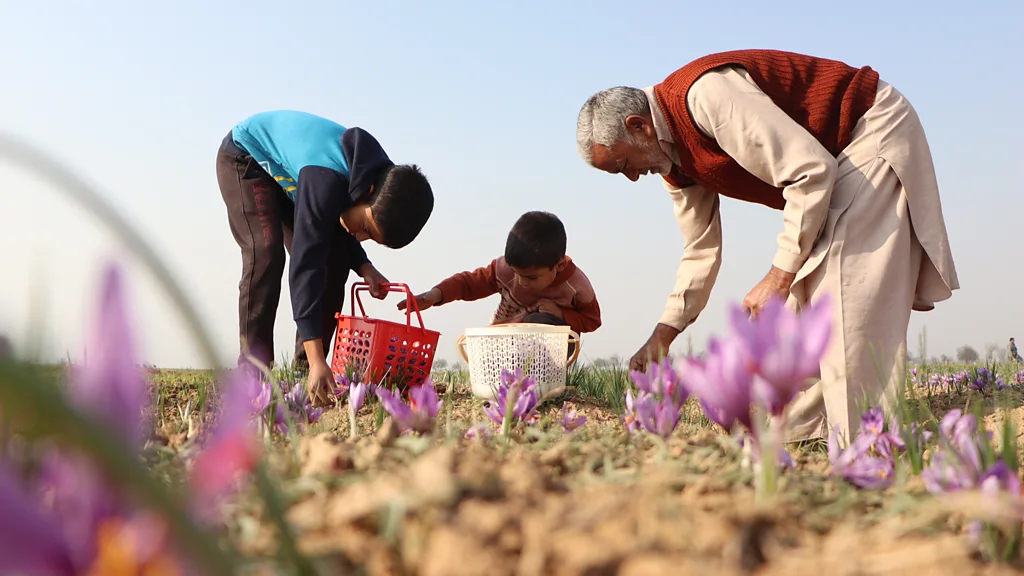
Fields are also shrinking as roads, housing, and commercial buildings replace saffron land, and porcupines and rats are damaging the corms.
At the same time, traders say Iranian saffron is repackaged and sold as Kashmiri, while other fraud includes substitution with safflower or turmeric and the addition of hazardous dyes.
Growers say this hides how far real local harvests have fallen.
FYI
India launched the National Saffron Mission in 2010 to improve irrigation and boost productivity, with mixed results reported by farmers.
Roughly 4,000 flowers are needed to produce one ounce of saffron, and Kashmiri saffron is prized for its dark crimson color and strong aroma.
Iran produces about 90% of the world's saffron.
Dive Deeper: Handpicked Stories for You
Follow Channel8 for continuous updates:
COP31 Opens in Turkey as World Overshoots 1.5°C Climate Goal
Hong Kong Records Hottest October Ever Amid Global El Nino Warming