.jpg)
.jfif)
Prime Minister Ali al-Zaidi has ordered dismissals, suspensions and disciplinary measures following an investigation into suspected oil smuggling involving the North Oil Company.
The directives extend to border crossings in the Kurdistan Region, oilfield management, informal crossings and roads connecting the Region with several Iraqi provinces.
The Federal Integrity Commission will investigate suspected violations involving oil contracts, refinery supplies, industrial licences, pipeline security payments and exports.
Additional measures include electronic monitoring of oil wells and pipelines, new inspection laboratories and the relocation of certain industrial facilities within six months.
Iraqi Prime Minister Ali al-Zaidi has ordered a series of administrative, security and technical measures following an investigation into suspected oil smuggling involving the North Oil Company in Kirkuk, according to the spokesperson for the Commander-in-Chief of the Armed Forces.
The decisions announced by Sabah al-Numan include:
Dismissing the head of the Border Ports Commission.
Removing the Kirkuk Operations Commander and Kirkuk Police Chief over their handling of the oil-products smuggling file.
Dismissing the commander and deputy commander of the First Energy Police Brigade, as well as the brigade’s intelligence director and checkpoints division director.
Issuing formal reprimands to the directors of the National Security Service and National Intelligence Service in Kirkuk.
Suspending the North Oil Company’s director general and deputies pending the Federal Integrity Commission’s investigation, while referring the former director for questioning.
Dismissing the Kirkuk inspection department director at the State Company for Oil Products Distribution.
Suspending the director general of Industrial Development and the director general of the State Company for Mining Industries, both under the Ministry of Industry and Minerals, pending investigation.
The prime minister ordered the relevant files and reported violations to be referred to the judiciary, with the Federal Integrity Commission tasked with investigating:
Sales contracts for oil products between the North Oil Company, Silver Axis Company and other firms, including verification of supplied quantities.
The delivery of crude oil by the Oil Ministry to the Bazian and KAR refineries, and whether supplied quantities match the amounts received.
Alleged negligence and irregularities involving the North Oil Company’s management and employees.
Industrial licences issued by the Ministry of Industry and Minerals’ Industrial Development Directorate, and any resulting losses to public funds.
Payments to civilian guards assigned to protect oil pipelines, amid concerns that the guards were not physically present at the North Oil Company.
The absence of laboratory testing and the quantities of oil products exported outside Iraq through border crossings in the Kurdistan Region.
The findings are to be presented to the judge of the Central Anti-Corruption Criminal Court.
The directives also address the management of oil exports and border crossings in the Kurdistan Region:
The Kurdistan Democratic Caretaker Government is to be instructed not to authorize exports of crude oil or oil products except through the federal Oil Ministry, with the stated aim of preventing overlapping authorities.
The Border Ports Commission is to take over all border crossings in the Kurdistan Region.
The Oil Ministry is to manage all oilfields belonging to the ministry within the administrative boundaries of Diyala, Kirkuk, Saladin and Nineveh that are currently under the Region’s security control.
The prime minister has also ordered measures to strengthen border security and monitor oil infrastructure:
The Border Guard Forces Command is to close unofficial crossings along Iraq’s international borders with neighbouring countries, including those in the Kurdistan Region.
The Ministry of Defence is to direct the First and Second Joint Operations Brigades to close all informal roads connecting Diyala, Salahaddin, Kirkuk and Nineveh with the Kurdistan Region.
The Ministry of Interior is to instruct the Energy Police Directorate to secure and monitor all oilfields using surveillance cameras, including fields located within the federal administrative boundaries but under the Region’s security control.
The directives include a series of technical and regulatory steps:
Establishing a clear mechanism to regulate the movement of oil products between provinces and through border crossings, binding all relevant authorities.
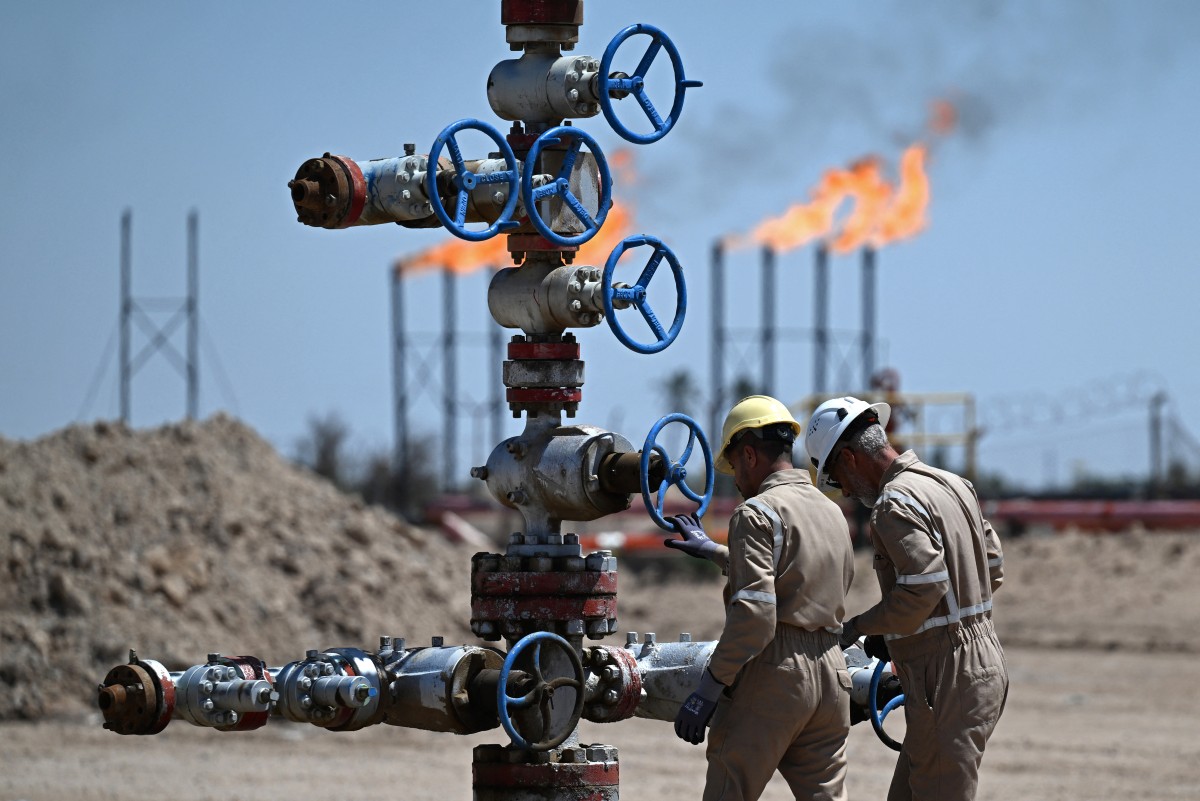
Introducing modern technologies to protect and monitor oil pipelines and wells, including a national digital system to monitor oil pipelines and detect smuggling.
Installing electronic meters on all operational oil wells across Iraq through the Oil Ministry.
Preparing inspection areas at checkpoints on the entrances to Slemani, Erbil and Duhok. These sites are to host Oil Ministry employees, Energy Police personnel and National Security staff, alongside laboratories to test products entering the provinces.
Instructing the Ministry of Industry and Minerals to relocate all oxidized asphalt and naphtha plants located in parts of Diyala, Salahaddin, Kirkuk and Nineveh that are outside the federal government’s security control. The relocation is to take place to other areas within the same provinces within six months.
The measures were announced by Sabah al-Numan, spokesperson for the Commander-in-Chief of the Armed Forces, after Prime Minister Ali al-Zaidi reviewed a report by a special committee investigating suspected oil smuggling involving the North Oil Company in Kirkuk.
The decisions extend beyond the dismissal and suspension of officials, setting out a broader plan to tighten federal oversight of oil production, transportation, exports and border security.
A central element concerns the Kurdistan Region. The directives call for oil and petroleum-product exports to be authorized through the federal Oil Ministry, the transfer of all border crossings in the Region to the Border Ports Commission, and federal management of specified oilfields in Diyala, Kirkuk, Saladin and Nineveh that are currently under the Region’s security control.
The security measures also call for the closure of unofficial border crossings and informal roads linking the Kurdistan Region with the four provinces. The Energy Police are to secure and monitor oilfields through surveillance cameras, including fields within federal administrative boundaries that remain under the Region’s security control.
On the technical side, the government plans to introduce a national digital monitoring system for oil pipelines, install electronic meters on operational oil wells and establish inspection facilities and laboratories at the entrances to Slemani, Erbil and Duhok.
The six-month deadline for relocating specified asphalt and naphtha plants is another part of the plan. The facilities are to be moved to other locations within the same provinces, where they would no longer be situated in areas outside the federal government’s security control.
The Federal Integrity Commission will separately investigate the reported financial and administrative violations, including oil sales contracts, refinery deliveries, industrial licences, pipeline guard payments and the absence of laboratory testing. The relevant cases are to be referred to the judiciary.
The announced package goes beyond disciplinary action over the Kirkuk investigation. It seeks to establish tighter federal oversight of oil exports, border crossings, oilfield operations and the movement of petroleum products, while expanding security and technical monitoring across several provinces and the Kurdistan Region.
The directives also touch on areas where administrative responsibilities and security control are divided between federal institutions and authorities in the Region. Their implementation will therefore be significant in determining how the two sides coordinate oilfield management, border administration and the movement of petroleum products. The announcement sets out government orders; their implementation and the outcome of the investigations remain to be established.