Iran Warns Any New Attack Will Have Consequences
At a Glance
Iranian security chief Mohsen Rezaei says Tehran will not reopen the Strait of Hormuz or resume negotiations with Washington until its seven conditions are met.
Rezaei says Iran retains the capacity to continue missile and drone operations if the conflict persists.
He says a proposed maritime corridor with Oman would depend on Iran’s conditions being implemented and Tehran deciding to reopen the strait.
His remarks come amid reports that the United States and Israel are preparing options for possible renewed strikes against Iran after the US midterm elections.
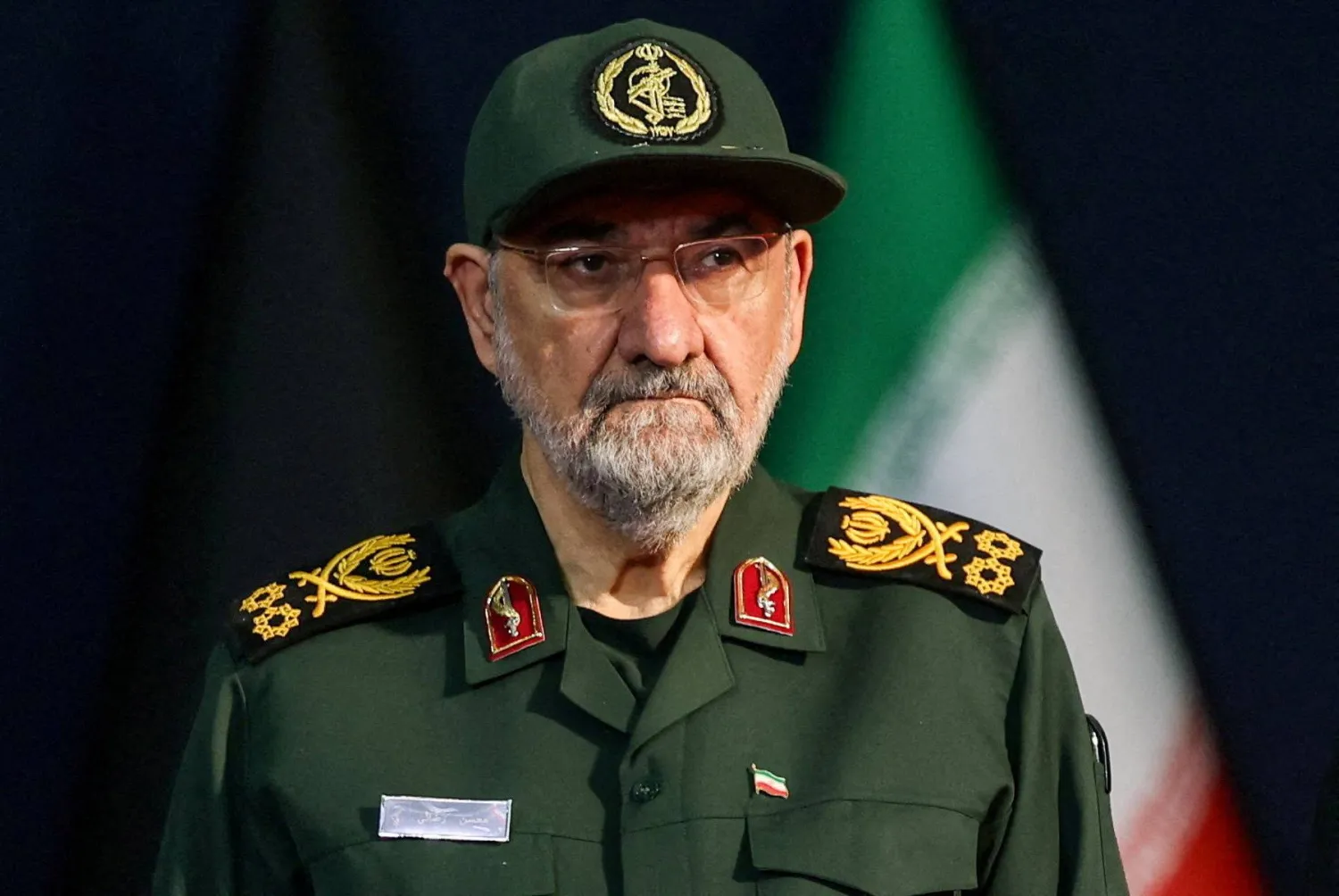
Iranian security chief Mohsen Rezaei has warned that any further action against Iran would carry consequences, saying Tehran retains the military capabilities to continue its response if the war persists. In an interview with Drop Site published Thursday, Rezaei said Iran would not resume negotiations with the United States or reopen the Strait of Hormuz until its demands are met and guarantees for implementing any agreement are included.
Key Statements and Focus Areas
Negotiations and the Seven Conditions
Rezaei said Iran still prefers diplomacy as a means of ending the war, but would not accept an agreement whose implementation depends solely on political goodwill.
He said Tehran had presented seven conditions through intermediaries and would not return to negotiations or reopen the Strait of Hormuz before those conditions were fulfilled.
Rezaei also said Iran considered its earlier decision to restore maritime traffic before the other side fulfilled its political and economic commitments a mistake that would not be repeated.
Strait of Hormuz and Maritime Arrangements
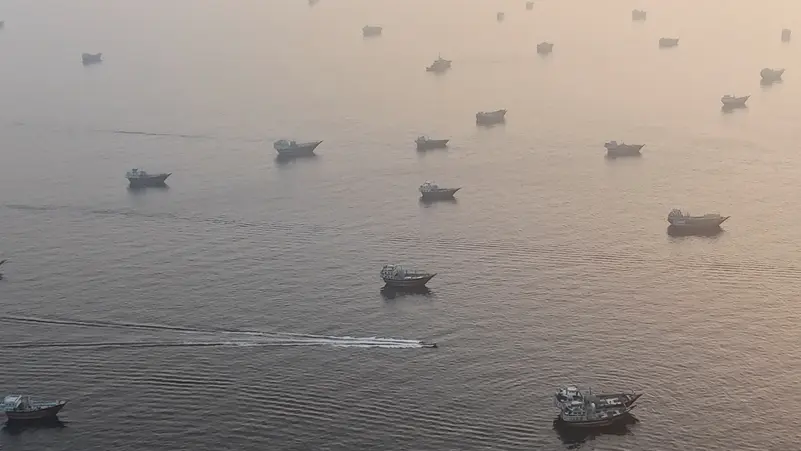
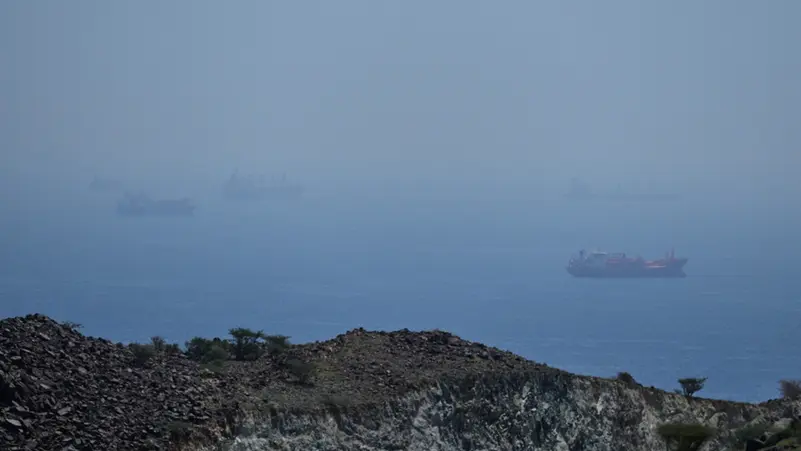
Rezaei said Iran had reached an understanding with Oman on establishing a new maritime corridor through the Strait of Hormuz. According to his account, a substantial part of the proposed route would pass through waters under Iranian control.
He said the corridor’s operation would depend on the United States meeting Iran’s conditions, followed by Tehran’s decision to reopen the strait and the resumption of shipping under arrangements agreed with Muscat.
Rezaei described management of the waterway as a matter of national security and strategic importance, rather than simply a means of collecting fees. He said charges could cover security, insurance and environmental protection costs.
Military Capabilities and Deterrence
Rezaei claimed Iran could continue missile operations and drone attacks because its capabilities were not concentrated in a single location or dependent on one production line.
He pointed to underground facilities, damage-repair capacity and the ability to replace equipment, arguing that Iran’s military strength should not be measured solely by the number of missiles remaining in its arsenal.
He warned that any renewed attack on Iran would have consequences, while saying Tehran did not necessarily need to maintain the same daily launch rate to preserve its deterrent capacity.
Energy Infrastructure and Regional Security
Rezaei said Iran did not pursue a policy of attacking civilian energy infrastructure simply to damage regional economies. However, he warned that facilities directly used to support military operations against Iran could be treated differently in Tehran’s strategic calculations.
He also argued that Iranian oil facilities, ports and shipping routes should not remain targets while the economic infrastructure of countries supporting military operations was protected.
Rezaei called for security arrangements that would exclude energy facilities, shipping lanes and civilian infrastructure from the conflict.
The Economic Cost of a Prolonged War
Asked about the prospect of the conflict continuing until 2029, Rezaei said a prolonged war would impose significant costs on the United States, global energy markets and the weapons stocks of countries involved.
He acknowledged that a continuing blockade would also harm Iran’s economy, discouraging investment, increasing pressure on households and creating difficulties for some industries.
Rezaei said Tehran’s objective was not to prolong the conflict until 2029, but to end it under conditions that would reduce the risk of another war. He warned that assuming Iran would run out of capacity to endure the conflict quickly could lead to miscalculations.
Rezaei’s remarks underline Tehran’s stated position that negotiations and the reopening of the Strait of Hormuz must be linked to enforceable commitments rather than political assurances alone.
The seven conditions, which Iran says were conveyed through intermediaries, have become a central part of its approach to a possible settlement. Rezaei said the earlier resumption of maritime traffic before the other side fulfilled its commitments would not be repeated, and that guarantees must be incorporated into any future agreement.
His comments on a proposed maritime corridor with Oman also point to the strait’s role in any potential arrangement to end the conflict. Rezaei said the route would operate only after Iran’s conditions were met and Tehran made a decision to reopen the waterway. The details of the proposed corridor and the reported understanding with Oman were not independently established in the material provided.
On the military front, Rezaei asserted that Iran could sustain missile and drone operations through dispersed facilities and the ability to repair and replace equipment. These claims were not independently verified. He also warned against attacks on energy infrastructure, while suggesting Iran could reconsider its approach if such facilities were directly used to support military operations against it.
The remarks come amid renewed concern about a possible escalation. On October 22, Anadolu Agency reported that the United States and Israel had developed plans for potential renewed strikes against Iran after the US midterm elections, citing a New York Times report and people familiar with the preparations. The report said potential targets could include nuclear facilities, missile and drone capabilities, and energy infrastructure; it did not establish that a decision to launch the strikes had been made.
Rezaei’s interview did not indicate that a new agreement had been reached. Instead, it reiterated Tehran’s conditions for renewed talks and its warning that it would continue responding if hostilities resumed.
FYI
The Strait of Hormuz is a strategic passage for global energy shipments, making its status a major issue in any effort to end the US-Iran conflict. Iran’s insistence on linking reopening the waterway to its seven conditions gives Tehran a significant negotiating issue, while also leaving maritime traffic exposed to continued uncertainty. Reuters reported earlier this month that Iran’s proposal tied the restoration of normal passage to the fulfillment of its conditions, with messages exchanged through intermediaries.
At the same time, reports of preparations for possible renewed US-Israeli strikes indicate that diplomatic efforts are taking place alongside military planning. The reported preparations do not, by themselves, confirm that an attack will occur. Rezaei’s statements should therefore be understood as Iran’s declared position and claims about its capabilities, not independent confirmation of its military readiness or the terms of a future agreement.
Dive Deeper: Handpicked Stories for You
Follow Channel8 for continuous updates:
Iran Calls US Response Insufficient, Keeps Hormuz Reopening Conditional
October 11, 2026
2. Iran Reaffirms Conditions for Reopening Strait of Hormuz
October 4, 2026
3. Araghchi Says Iran Ready for Diplomacy and Military Response
October 4, 2026